Hey there! I'm a supplier of OPGW cable storage, and I've seen firsthand the headaches that rodent damage can cause. OPGW cables are super important for power systems and telecommunications, but those pesky rodents can really mess things up during storage. So, I'm here to share some tips on how to protect OPGW cables from rodents while they're in storage.
Understanding the Problem
First off, let's talk about why rodents are such a big deal. Rodents like mice and rats have sharp teeth that never stop growing. To keep their teeth in check, they gnaw on all sorts of things, and unfortunately, OPGW cables are on their menu. When they chew through the cable's outer layers, it can expose the fibers inside, leading to signal loss, short - circuits, and even complete cable failure. This not only costs a fortune to repair but also disrupts essential services.
Storage Environment
Location
The first step in protecting OPGW cables is to choose the right storage location. A dry, clean, and well - ventilated area is a must. Avoid damp basements or areas prone to flooding, as moisture can weaken the cable's protective layers and make it more appealing to rodents. Also, try to keep the storage area away from areas where rodents are likely to nest, like overgrown bushes or piles of debris.
Sealing the Storage Area
Rodents can squeeze through incredibly small spaces, so it's crucial to seal any holes or cracks in the storage facility. Check the walls, floors, and ceilings for gaps and use caulk or steel wool to fill them. Pay special attention to areas around pipes and vents, as these are common entry points.
Elevated Storage
Don't just leave the cables lying on the ground. Store them on elevated racks or pallets. This not only keeps them away from direct contact with the floor, which might be damp or infested with rodents, but also makes it harder for rodents to reach the cables.
Physical Barriers
Cable Wrapping
One effective way to protect OPGW cables is to wrap them with a rodent - resistant material. There are special tapes and wraps available in the market that are designed to deter rodents. These wraps often have a bitter taste or a strong odor that rodents find unappealing.


Mesh Enclosures
For larger storage areas or when storing multiple cables, consider using mesh enclosures. A fine - gauge wire mesh can be used to create a cage around the cables. Make sure the mesh is tight enough so that rodents can't squeeze through. You can find these meshes at hardware stores and cut them to the right size for your storage needs.
Chemical Deterrents
Natural Repellents
There are several natural substances that rodents dislike. For example, peppermint oil has a strong smell that can keep rodents away. Soak some cotton balls in peppermint oil and place them around the stored cables. You can also use cloves or cayenne pepper, which have similar effects. Just sprinkle them around the storage area, but be careful not to get them on the cables themselves, as they could potentially damage the cable's outer coating.
Commercial Deterrents
There are also many commercial rodent deterrents available. These products usually come in the form of sprays or granules. Some are designed to be sprayed directly on the cables, while others are placed around the storage area. Make sure to follow the manufacturer's instructions when using these products to ensure their effectiveness and safety.
Monitoring and Inspection
Regular Checks
Set up a regular inspection schedule for your stored OPGW cables. Check for signs of rodent activity, such as chew marks, droppings, or nests. If you notice any signs, take immediate action to address the problem. Early detection can prevent extensive damage to the cables.
Traps and Baits
Place rodent traps and baits around the storage area. There are different types of traps available, such as snap traps, glue traps, and live - capture traps. Baits can be used to attract rodents to the traps. However, be careful when using baits, as they can also be dangerous to other animals or humans if not used properly.
Using Protective Fittings
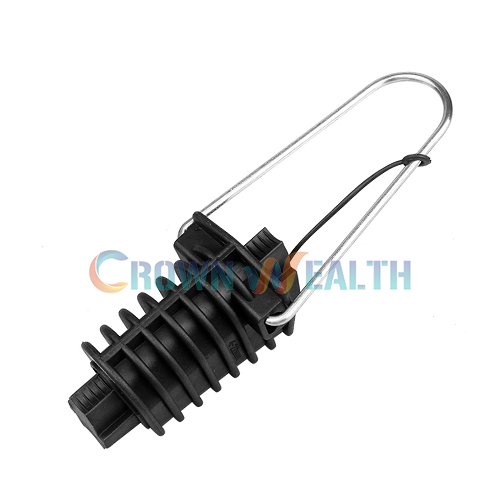
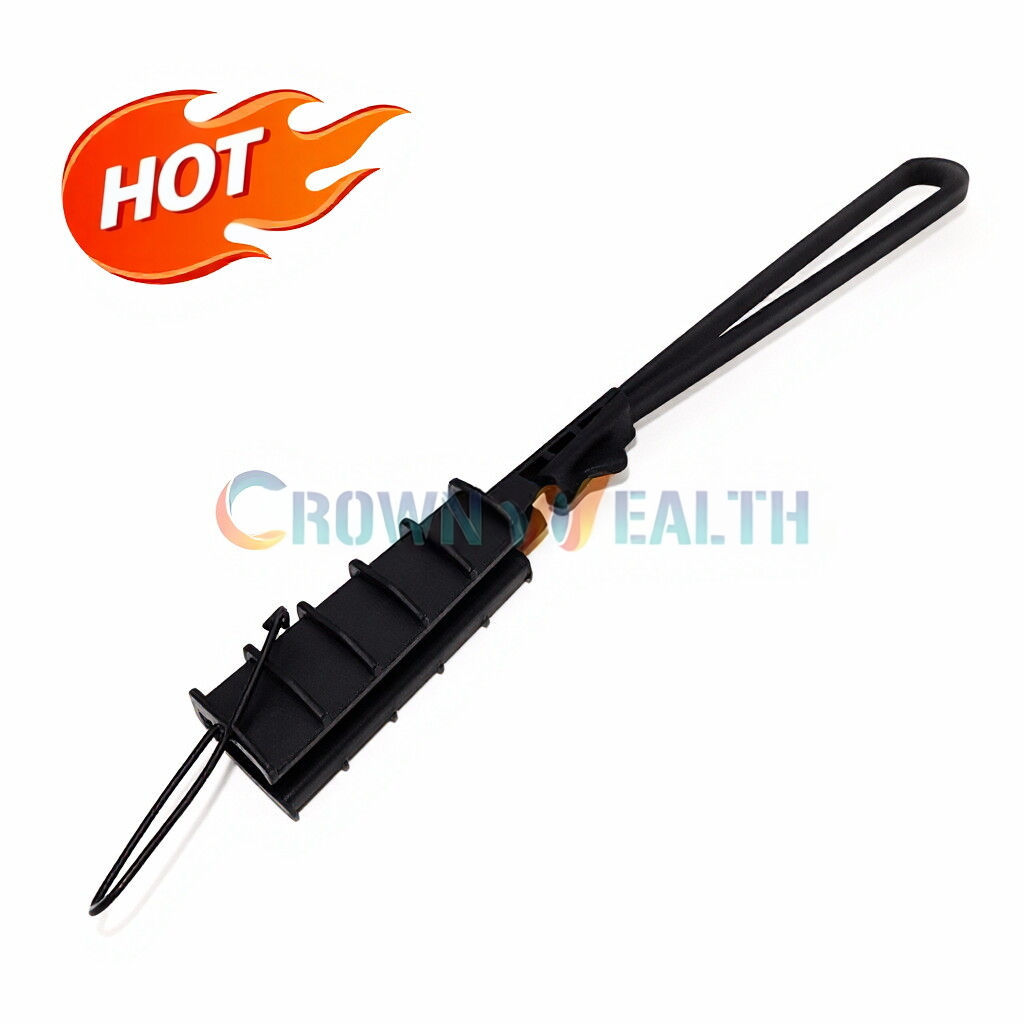
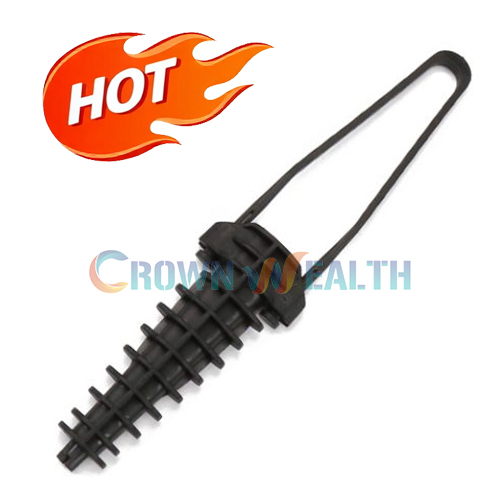
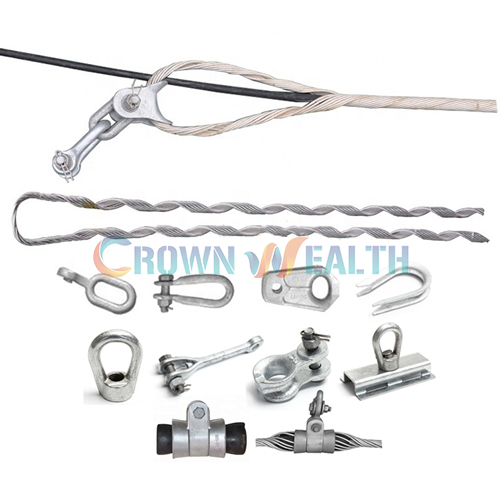
When it comes to OPGW cables, using the right fittings can also play a role in protection. For example, the OPGW Preformed Tension Clamp helps to secure the cable in place and can prevent rodents from dislodging or damaging the cable at the connection points. The Tension Clamp for Overhead Line is another important fitting that provides stability and can reduce the risk of cable movement that might attract rodents. And the OPGW Performed Suspension Clamp is designed to hold the cable in suspension, keeping it out of reach of rodents in some cases.
Conclusion
Protecting OPGW cables from rodents during storage is a multi - faceted task. By choosing the right storage environment, using physical barriers and chemical deterrents, and regularly monitoring the cables, you can significantly reduce the risk of rodent damage. Remember, prevention is always better than cure when it comes to protecting your valuable OPGW cables.
If you're in the market for high - quality OPGW cable storage solutions or have any questions about protecting your cables from rodents, don't hesitate to reach out. We're here to help you ensure the safety and longevity of your OPGW cables. Let's start a conversation and find the best solutions for your needs.
References
- "Rodent Control in Industrial Settings", Pest Management Journal, 2020
- "Fiber Optic Cable Protection: Best Practices", Telecommunications Technology Review, 2021
- "OPGW Cable Installation and Storage Guidelines", Power Systems Magazine, 2019