Hey there! I'm a supplier of Cable Guy Grips, and I often get asked this question: Can Cable Guy Grips be used for fiber - optic cables? Well, let's dive right in and break this down.
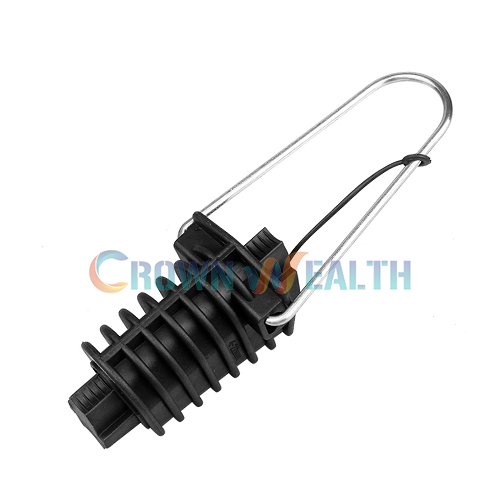
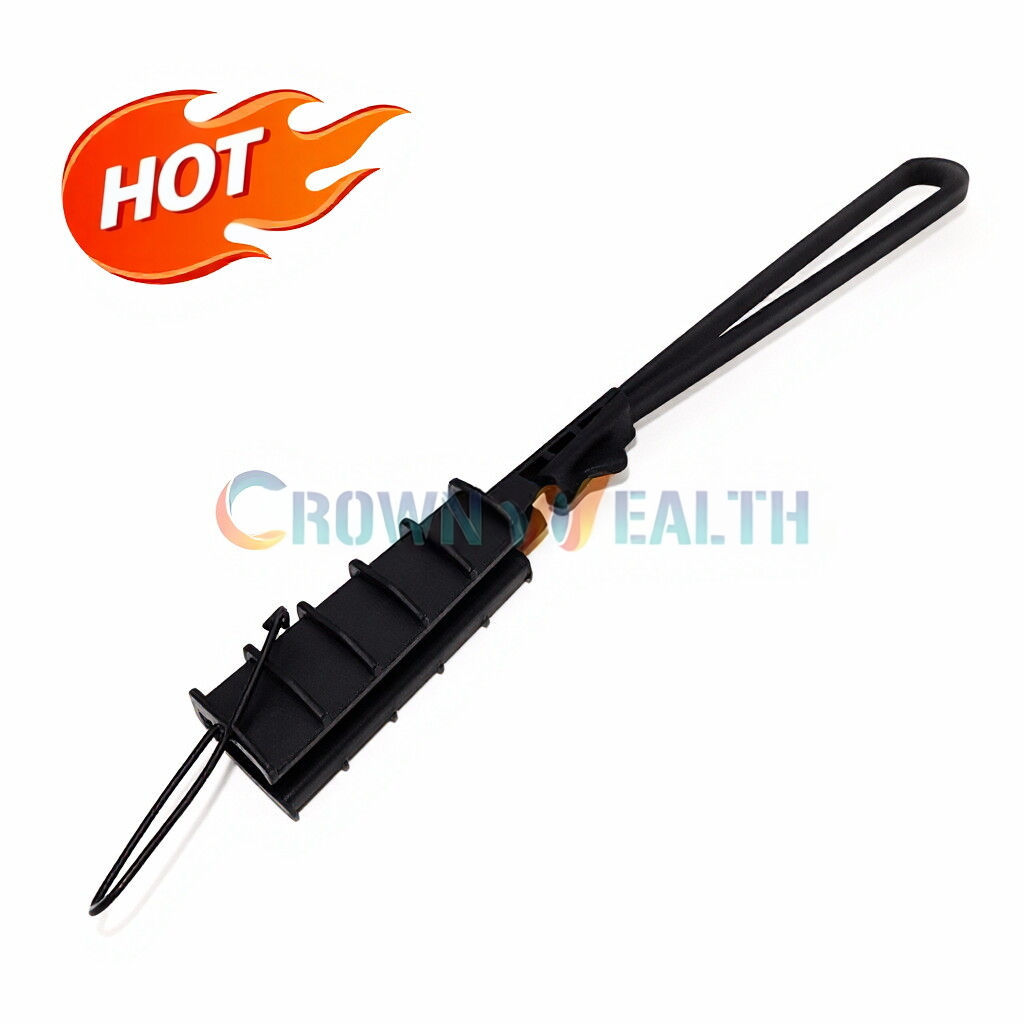
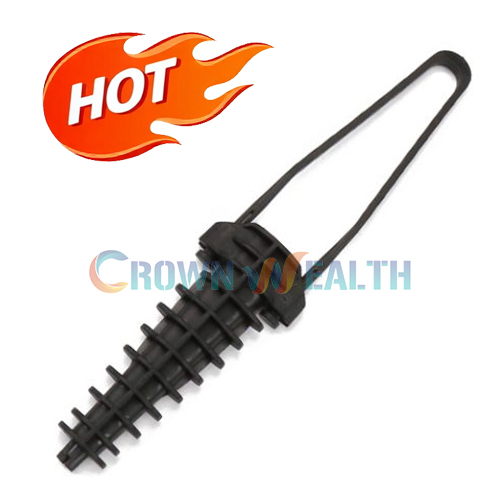
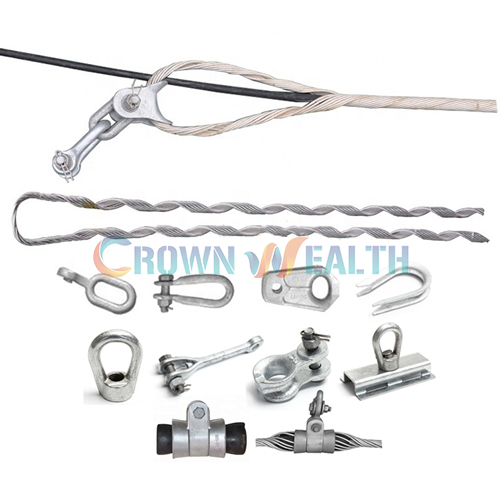
First off, let's understand what Cable Guy Grips are. They're essentially devices used to secure cables to poles or other structures. There are different types out there, like Dead End Guy Grips and Helical Guy Grips. These grips are designed to hold cables firmly in place, preventing them from moving around or coming loose.


Now, fiber - optic cables are a whole different ballgame. They're extremely delicate compared to traditional cables. Fiber - optic cables transmit data through light signals that travel through thin strands of glass or plastic. These strands are so thin that even the slightest bend or pressure can cause signal loss or damage to the cable.
So, can we use Cable Guy Grips for fiber - optic cables? The short answer is it depends.
Compatibility Considerations
Material and Design
The material of the Cable Guy Grip matters a lot. Traditional Cable Guy Grips are often made of metal or strong plastics designed to hold heavy - duty cables. Fiber - optic cables, on the other hand, need a gentle touch. If the grip is too rigid or has sharp edges, it can easily damage the delicate fiber strands inside the cable.
For example, some Helical Guy Grips have a coiled design that wraps around the cable. While this can be great for providing a strong hold for regular cables, it might put too much pressure on a fiber - optic cable. The tight coils could cause micro - bends in the fiber, which lead to signal degradation.
Size and Tension
The size of the Cable Guy Grip is crucial. A grip that's too large won't hold the fiber - optic cable securely, and it might move around, increasing the risk of damage. Conversely, a grip that's too small will apply excessive pressure, also harming the cable.
Tension is another factor. Fiber - optic cables need to be held with just the right amount of tension. Too much tension can stretch the fibers, while too little won't keep the cable in place. Some Dead End Guy Grips are designed to handle high - tension applications, but these settings are often too extreme for fiber - optic cables.
When It Can Work
There are situations where Cable Guy Grips can be used for fiber - optic cables, but with some modifications and precautions.
Specialized Grips
Some manufacturers have developed specialized Cable Guy Grips for fiber - optic cables. These grips are made from softer materials that won't damage the fiber. They also have a design that distributes the pressure evenly along the cable. For instance, they might have a padded interior or a more flexible structure.
Use with Armor
If you want to use regular Cable Guy Grips, you can first protect the fiber - optic cable with Preformed Armor Rods. These rods act as a shield around the cable, absorbing the pressure from the grip. The armor rods are flexible enough to conform to the cable's shape while providing a protective layer.
When It's a No - Go
If you're dealing with a high - density fiber - optic cable or a cable that's already been damaged or is in a delicate state, using regular Cable Guy Grips is probably a bad idea. The risk of further damage is just too high.
Also, in applications where the cable needs to be highly flexible, like in some indoor installations or areas with a lot of movement, traditional Cable Guy Grips can restrict the cable's movement and cause issues.
Real - World Examples
Let's take a look at a few real - world scenarios. In a large - scale outdoor fiber - optic network installation, the cables are often run over long distances and attached to poles. Here, the use of specialized Cable Guy Grips or the combination of regular grips with Preformed Armor Rods can work well. The grips keep the cables in place, and the armor rods protect the delicate fibers.
On the other hand, in a small office building where the fiber - optic cables are being installed for a local network, the cables are more likely to be routed through tight spaces and need to be flexible. In this case, using a Cable Guy Grip might not be the best option as it could limit the cable's flexibility and cause signal problems.
Conclusion
So, to sum it up, Cable Guy Grips can potentially be used for fiber - optic cables, but it's not a one - size - fits - all situation. You need to consider the type of grip, the condition of the cable, and the application.
If you're in the process of installing or maintaining fiber - optic cables and are wondering about the right Cable Guy Grips for your project, don't hesitate to reach out. As a supplier, I've got a wide range of options, including specialized grips for fiber - optic cables, and I can help you find the perfect solution for your needs. Whether it's Dead End Guy Grips, Helical Guy Grips, or Preformed Armor Rods, I'm here to assist. Let's have a chat about your project and figure out the best way to secure your fiber - optic cables safely and effectively.
References
- Industry standards for fiber - optic cable installation and handling
- Manufacturer's guidelines for Cable Guy Grips and Preformed Armor Rods
- Case studies on fiber - optic cable installations in different environments