When it comes to using link fittings, safety should always be the top priority. As a trusted link fitting supplier, I understand the importance of providing high - quality products and ensuring that our customers use them safely. In this blog, I will outline some essential safety precautions that should be taken when using link fittings.


1. Pre - use Inspection
Before using any link fitting, a thorough inspection is crucial. Check for visible signs of damage such as cracks, dents, or corrosion. Cracks can significantly weaken the structural integrity of the fitting, increasing the risk of failure under load. Dents may also affect the fitting's ability to function properly, especially if they interfere with the connection points.
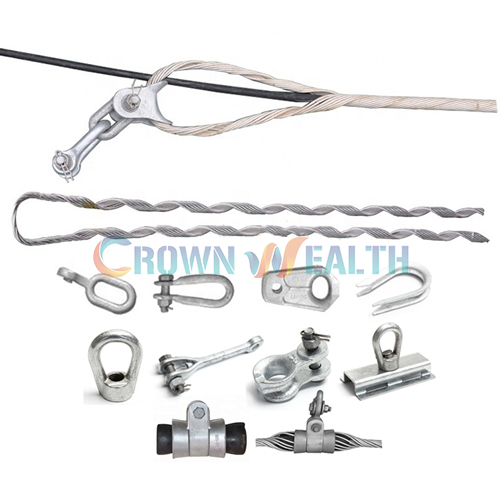
Corrosion is another common issue, especially in outdoor or high - humidity environments. For example, Hot Dip Galvanized Shackle is designed to resist corrosion, but over time, the galvanized coating may wear off. If corrosion is present, it can reduce the strength of the shackle and make it more prone to breakage.
Inspect the threads on threaded link fittings. They should be clean, undamaged, and free of debris. Cross - threaded connections can lead to improper tightening and a loss of clamping force, which may result in the fitting coming loose during use.
2. Correct Selection of Link Fittings
Choosing the right link fitting for the job is essential. Consider the load requirements, the type of connection, and the environmental conditions. Each link fitting has a specific working load limit (WLL), which indicates the maximum load it can safely handle. Exceeding the WLL can cause the fitting to fail catastrophically.
For example, if you need to connect two components in a heavy - duty application, a HDG Clevise with a high WLL may be required. On the other hand, for lighter loads, a smaller and less robust fitting might be sufficient.
The type of connection also matters. Some link fittings are designed for swivel connections, while others are for fixed connections. Make sure the fitting you choose is suitable for the type of movement or lack thereof required in your application.
Environmental factors such as temperature, moisture, and chemical exposure should also be considered. In corrosive environments, using corrosion - resistant materials like stainless steel or hot - dip galvanized steel is recommended.
3. Proper Installation
Proper installation of link fittings is critical for their safe and effective use. Follow the manufacturer's installation instructions carefully. When tightening nuts and bolts, use the correct torque values. Over - tightening can cause the fitting to deform or break, while under - tightening can result in a loose connection.
Use appropriate tools for installation. For example, a torque wrench should be used to ensure accurate tightening of threaded connections. When installing pins, make sure they are fully inserted and secured with the appropriate cotter pins or locking devices.
In the case of Square Yoke Plates, ensure that they are aligned correctly with the mating components. Misalignment can cause uneven loading on the fitting and increase the risk of failure.
4. Regular Maintenance
Regular maintenance of link fittings is necessary to ensure their continued safe operation. Inspect the fittings periodically for signs of wear, damage, or corrosion. Lubricate moving parts as recommended by the manufacturer to reduce friction and prevent premature wear.
If any damage or wear is detected during maintenance, replace the fitting immediately. Do not attempt to repair a damaged link fitting unless you have the proper expertise and equipment.
Keep a record of maintenance activities, including inspection dates, findings, and any replacement parts. This record can help you track the condition of the fittings over time and ensure that they are being maintained properly.
5. Operator Training
Operators who use link fittings should receive proper training. They should be familiar with the different types of link fittings, their functions, and the safety precautions associated with their use. Training should include pre - use inspection procedures, correct installation methods, and the importance of not exceeding the WLL.
Operators should also be trained to recognize the signs of a potential problem, such as unusual noises or vibrations during operation. If any issues are detected, they should know how to stop the operation safely and report the problem.
6. Storage
Proper storage of link fittings is also important. Store them in a clean, dry place to prevent corrosion. Keep them organized and separated to avoid damage from contact with other objects.
If the fittings are not going to be used for an extended period, consider applying a protective coating to prevent rust and corrosion. Label the storage containers clearly to ensure that the correct fittings can be easily identified when needed.
7. Load Monitoring
In some applications, it may be necessary to monitor the load on the link fittings. This can be done using load cells or other monitoring devices. Load monitoring can help detect if the WLL is being approached or exceeded, allowing for timely corrective action.
If the load exceeds the WLL, stop the operation immediately and re - evaluate the situation. This may involve redistributing the load, using a larger - capacity fitting, or making other adjustments to ensure safe operation.
8. Emergency Preparedness
Even with all the safety precautions in place, emergencies can still occur. Have an emergency plan in place in case a link fitting fails. The plan should include procedures for safely stopping the operation, evacuating the area if necessary, and providing first aid if anyone is injured.
Keep emergency equipment such as fire extinguishers and first - aid kits readily available. Regularly review and update the emergency plan to ensure its effectiveness.
In conclusion, using link fittings safely requires a combination of pre - use inspection, correct selection, proper installation, regular maintenance, operator training, proper storage, load monitoring, and emergency preparedness. By following these safety precautions, you can minimize the risk of accidents and ensure the reliable performance of your link fittings.
As a link fitting supplier, I am committed to providing high - quality products and supporting our customers in using them safely. If you have any questions about our link fittings or need assistance with safety precautions, please feel free to contact us for procurement and further discussion.
References
- Machinery's Handbook, 31st Edition
- Occupational Safety and Health Administration (OSHA) standards related to lifting and rigging equipment
- Manufacturer's specifications and installation guides for link fittings