As a supplier of Spiral Vibration Dampers, I've witnessed firsthand the crucial role these devices play in maintaining the stability and longevity of various structures, from power lines to industrial machinery. One of the key factors that can significantly influence the performance of Spiral Vibration Dampers is temperature, and how it interacts with the materials used in their construction. In this blog post, I'll delve into the science behind how temperature affects the damping performance of Spiral Vibration Dampers through material changes.
Understanding Spiral Vibration Dampers
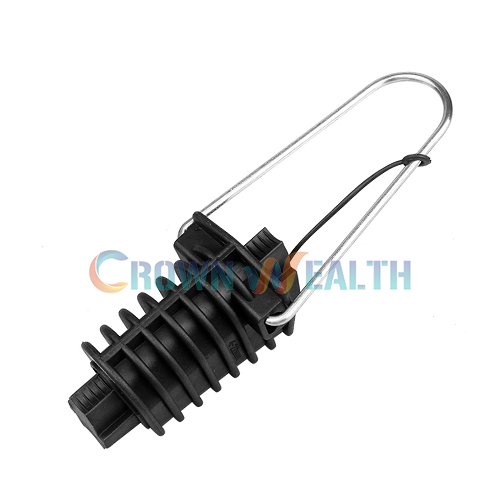
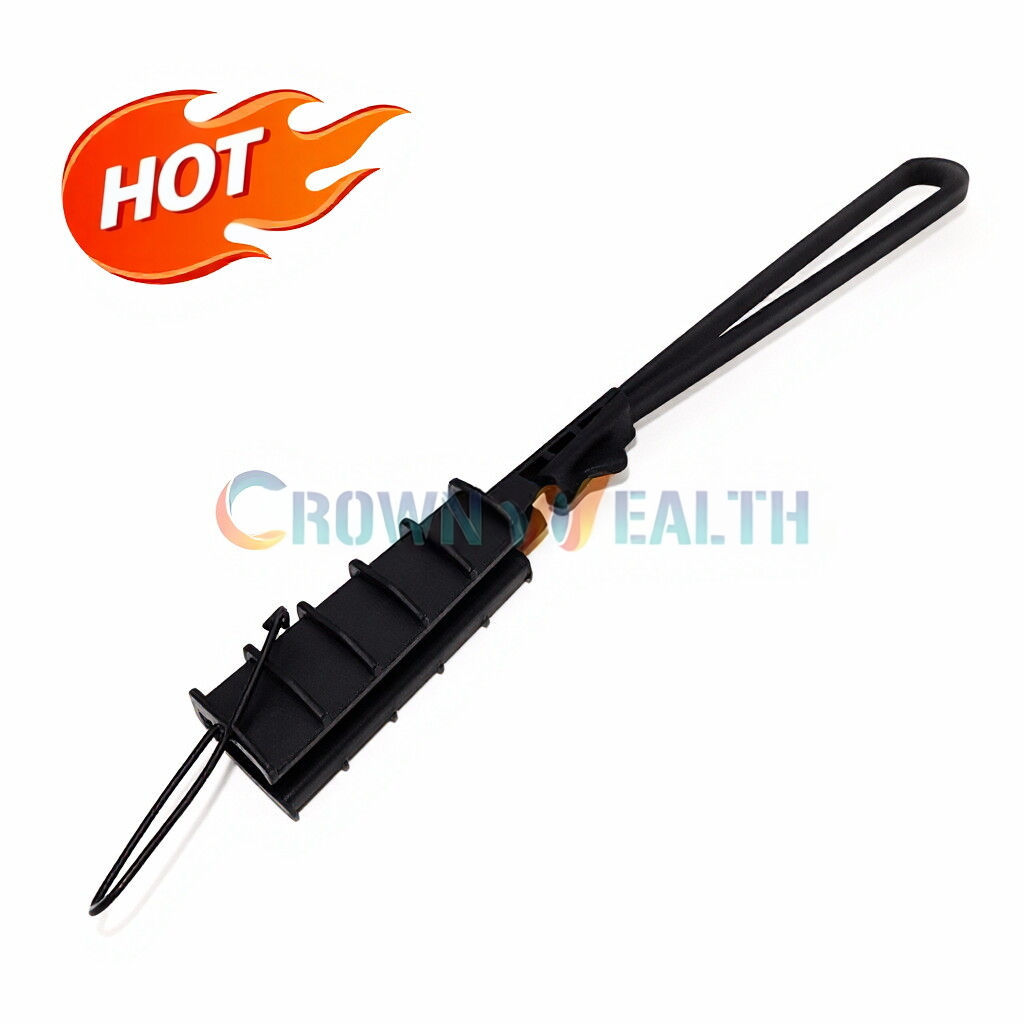
Before we explore the impact of temperature, let's first understand what Spiral Vibration Dampers are and how they work. These dampers are designed to absorb and dissipate the energy generated by vibrations, thereby reducing the amplitude of the vibrations and preventing damage to the structure. They typically consist of a spiral-shaped wire or cable that is attached to the vibrating structure. As the structure vibrates, the spiral damper flexes and twists, converting the kinetic energy of the vibrations into heat energy, which is then dissipated into the surrounding environment.
The Role of Materials in Damping Performance
The materials used in the construction of Spiral Vibration Dampers play a critical role in determining their damping performance. Different materials have different mechanical properties, such as stiffness, elasticity, and damping capacity, which can affect how the damper responds to vibrations. For example, a damper made of a highly elastic material will be able to flex and twist more easily, allowing it to absorb more energy from the vibrations. On the other hand, a damper made of a stiffer material may be more resistant to deformation, but it may also have a lower damping capacity.
Temperature and Material Properties
Temperature can have a significant impact on the mechanical properties of the materials used in Spiral Vibration Dampers. As the temperature changes, the atoms and molecules in the material begin to move more or less vigorously, which can affect the material's stiffness, elasticity, and damping capacity. For example, at higher temperatures, the atoms in a material have more energy and are more likely to move around, which can cause the material to become softer and more elastic. Conversely, at lower temperatures, the atoms have less energy and are more likely to be locked in place, which can cause the material to become stiffer and less elastic.
Effects of Temperature on Damping Performance
The changes in material properties caused by temperature can have a direct impact on the damping performance of Spiral Vibration Dampers. At higher temperatures, the increased elasticity of the material can allow the damper to flex and twist more easily, which can increase its ability to absorb energy from the vibrations. However, if the temperature becomes too high, the material may start to lose its strength and become more prone to deformation, which can reduce the damper's effectiveness.
Conversely, at lower temperatures, the increased stiffness of the material can make it more difficult for the damper to flex and twist, which can reduce its ability to absorb energy from the vibrations. In extreme cases, the material may become so stiff that it is unable to respond to the vibrations at all, rendering the damper ineffective.
Material Selection for Different Temperature Conditions
Given the significant impact of temperature on the damping performance of Spiral Vibration Dampers, it is important to select the right materials for the specific temperature conditions in which the damper will be used. For applications in high-temperature environments, materials with high heat resistance and good elasticity, such as certain types of alloys or polymers, may be more suitable. These materials can maintain their mechanical properties at elevated temperatures, allowing the damper to continue to function effectively.
For applications in low-temperature environments, materials with good low-temperature flexibility and toughness, such as certain types of rubber or composite materials, may be more appropriate. These materials can remain flexible and elastic even at very low temperatures, ensuring that the damper can still absorb and dissipate energy from the vibrations.
Other Factors to Consider
In addition to temperature, there are several other factors that can affect the damping performance of Spiral Vibration Dampers. These include the frequency and amplitude of the vibrations, the type of structure being damped, and the installation method of the damper. It is important to take these factors into account when selecting and installing Spiral Vibration Dampers to ensure optimal performance.
Related Products
If you're interested in other types of vibration dampers or related products, I'd like to introduce you to some of our offerings. You can check out our Helical Guy Grips, which are designed to provide secure support for guy wires and cables. Our Tuning Fork Vibration Damper is another effective solution for reducing vibrations in power lines and other structures. And for applications that require precise tensioning of conductors, our Preformed Conductor Tension Set is a reliable choice.


Conclusion
Temperature can have a significant impact on the damping performance of Spiral Vibration Dampers through its effects on the mechanical properties of the materials used in their construction. By understanding how temperature affects material properties and selecting the right materials for the specific temperature conditions, it is possible to optimize the performance of Spiral Vibration Dampers and ensure the long-term stability and reliability of the structures they protect.
If you're in the market for Spiral Vibration Dampers or have any questions about their performance in different temperature conditions, please don't hesitate to contact us. We'd be happy to discuss your specific needs and provide you with the best solutions for your applications.
References
- [1] "Mechanical Properties of Materials at High Temperatures," Journal of Materials Science
- [2] "Low-Temperature Behavior of Polymers," Polymer Engineering and Science
- [3] "Vibration Damping in Structural Engineering," Structural Engineering Journal