Can a cable storage assembly be used in a museum? This is a question that many museum curators, administrators, and technology enthusiasts have pondered. As a supplier of cable storage assemblies, I am uniquely positioned to explore this topic in depth. In this blog post, I will delve into the potential uses, benefits, and considerations of using cable storage assemblies in a museum setting.
The Role of Cable Storage Assemblies in Modern Museums
Modern museums are no longer just static displays of artifacts. They have evolved into dynamic spaces that incorporate a wide range of technologies to enhance the visitor experience. From interactive exhibits and multimedia installations to advanced security systems and environmental controls, these technologies rely heavily on a network of cables. However, the presence of exposed cables can detract from the aesthetic appeal of the museum and pose safety risks. This is where cable storage assemblies come in.
A cable storage assembly is a system designed to organize, protect, and manage cables. It can be used to route cables neatly, conceal them from view, and prevent damage from physical impact, environmental factors, and wear and tear. By using cable storage assemblies, museums can create a clean, professional look while ensuring the reliability and longevity of their cable infrastructure.
Potential Uses of Cable Storage Assemblies in Museums
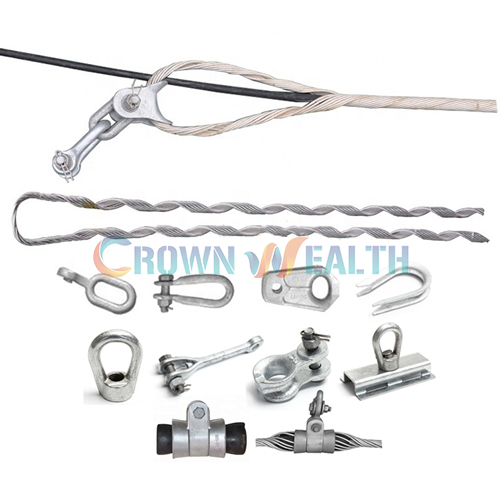
- Exhibition Areas: In exhibition areas, cable storage assemblies can be used to hide the cables powering interactive displays, touchscreens, and audio-visual equipment. This not only improves the visual appeal of the exhibits but also reduces the risk of tripping hazards. For example, a Preformed Double Suspension can be used to securely support and route cables along the walls or ceilings of an exhibition hall, keeping them out of sight.
- Backstage and Technical Areas: Backstage and technical areas in museums are often filled with a complex network of cables for lighting, sound, and control systems. Cable storage assemblies can help to organize these cables, making it easier for technicians to access and maintain them. An Aluminum Alloy Optical Cable Splice Box can be used to protect and manage fiber optic cables, ensuring reliable data transmission for multimedia exhibits.
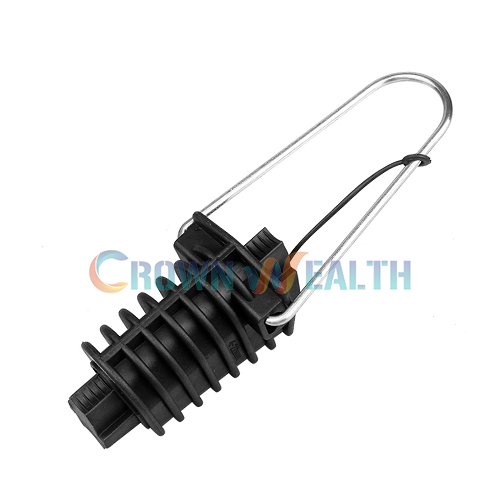
- Security and Surveillance Systems: Museums rely on security and surveillance systems to protect their valuable artifacts. Cable storage assemblies can be used to conceal the cables for cameras, sensors, and alarm systems, making them less vulnerable to tampering or damage. An OPGW Strain Clamp can be used to secure the cables for overhead power and communication lines, ensuring the continuous operation of security systems.
- Environmental Control Systems: Maintaining the proper environmental conditions is crucial for the preservation of museum artifacts. Cable storage assemblies can be used to manage the cables for heating, ventilation, and air conditioning (HVAC) systems, as well as humidity and temperature sensors. This helps to ensure the efficient operation of these systems and the protection of artifacts from environmental damage.
Benefits of Using Cable Storage Assemblies in Museums
- Aesthetics: One of the primary benefits of using cable storage assemblies in museums is the improvement in aesthetics. By hiding the cables, the focus can be on the exhibits themselves, creating a more immersive and engaging experience for visitors.
- Safety: Cable storage assemblies help to reduce the risk of tripping hazards and electrical accidents by keeping cables organized and out of the way. This is especially important in high-traffic areas of the museum.
- Reliability: By protecting cables from damage, cable storage assemblies help to ensure the reliable operation of museum technologies. This reduces the likelihood of system failures and downtime, which can disrupt the visitor experience and cause damage to valuable artifacts.
- Ease of Maintenance: Organized cable storage makes it easier for technicians to access and maintain cables, reducing the time and cost of maintenance. This is particularly important in museums, where downtime can be costly and disruptive.
Considerations When Using Cable Storage Assemblies in Museums
- Compatibility: When selecting cable storage assemblies for a museum, it is important to ensure that they are compatible with the type and size of cables being used. This includes considering factors such as cable diameter, bend radius, and weight.
- Aesthetic Requirements: The cable storage assemblies should blend in with the overall design and aesthetic of the museum. This may involve choosing assemblies that are available in different colors or finishes to match the surrounding environment.
- Environmental Conditions: Museums often have specific environmental requirements, such as temperature and humidity control. The cable storage assemblies should be able to withstand these conditions without compromising their performance.
- Compliance: It is important to ensure that the cable storage assemblies comply with relevant safety and industry standards. This includes standards for fire resistance, electrical insulation, and mechanical strength.
Conclusion
In conclusion, cable storage assemblies can play a valuable role in modern museums. They offer a range of benefits, including improved aesthetics, safety, reliability, and ease of maintenance. However, it is important to carefully consider the specific needs and requirements of the museum when selecting and installing cable storage assemblies.
If you are a museum curator, administrator, or technician interested in learning more about how cable storage assemblies can enhance your museum's infrastructure, I encourage you to contact us for a consultation. We are a leading supplier of cable storage assemblies and can provide you with the expertise and products you need to create a safe, reliable, and visually appealing museum environment.


References
- "Best Practices for Cable Management in Museums," Museum Technology Network
- "Cable Storage and Management Solutions for the Hospitality Industry," Cable Management Journal
- "The Impact of Cable Organization on Museum Technology Reliability," Museum Studies Quarterly