Hey there! As a supplier of downlead clamps, I often get asked if these little gadgets have a specific orientation for installation. Well, let's dive right into this topic and find out.
First off, what exactly are downlead clamps? They're crucial components in the installation of fiber - optic cables, especially in ADSS (All - Dielectric Self - Supporting) cable systems. These clamps are used to secure the downlead cable, which runs vertically from the main cable to the ground or other equipment. They ensure that the cable stays in place, protecting it from environmental factors like wind, rain, and even some minor impacts.
Now, back to the big question: do downlead clamps have a specific orientation for installation? The short answer is yes, in most cases. The orientation matters because it directly affects the clamp's performance and the overall safety of the cable system.
Let's talk about the reasons why orientation is important. One major factor is load distribution. When a downlead clamp is installed correctly, it can evenly distribute the weight of the cable along its length. If the clamp is installed in the wrong orientation, the load may be concentrated in one area, which can lead to premature wear and tear on the cable and the clamp itself. Over time, this can cause the cable to break or the clamp to fail, resulting in costly repairs and potential service disruptions.
Another reason is environmental protection. Downlead clamps are designed to protect the cable from environmental elements. For example, many clamps have a design that allows water to drain away easily. If the clamp is installed upside - down or at the wrong angle, water may pool inside the clamp, increasing the risk of corrosion and damage to the cable.
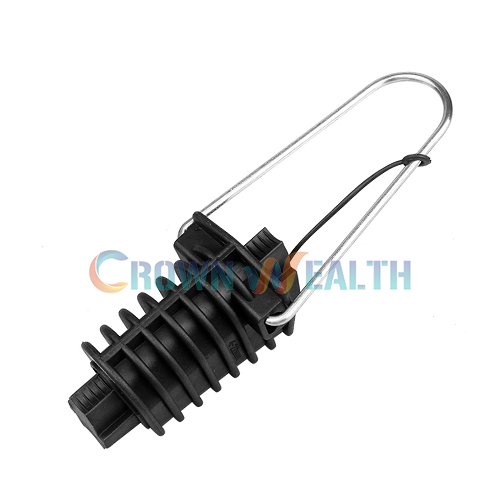
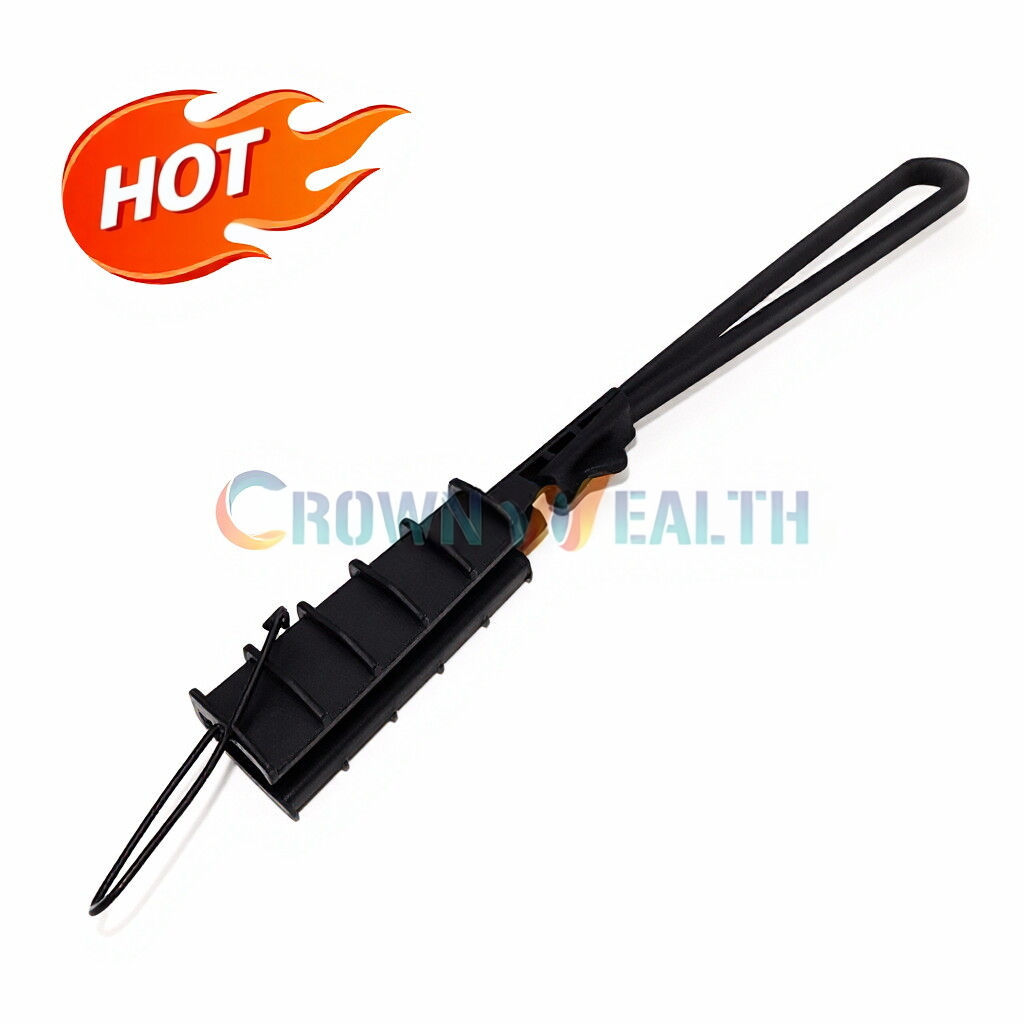
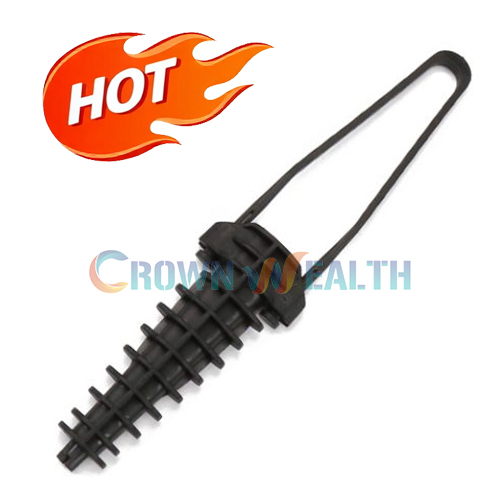
Let's take a look at some specific types of downlead clamps and their installation orientations. The ADSS Down Lead Clamp is a popular choice in the industry. This type of clamp usually has a clear indication of the correct installation direction. There are often markings on the clamp itself, such as arrows or symbols, that show which way it should be installed. Generally, the clamp should be installed so that the opening for the cable faces upwards to allow for easy insertion of the cable and proper drainage.


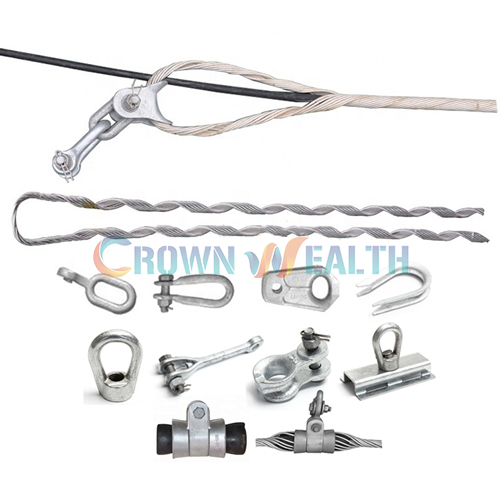
The Preformed Helical Tension Clamp is another important component. These clamps are designed to provide tension to the cable. They need to be installed with the helical shape following the natural curve of the cable. If installed incorrectly, the helical structure may not grip the cable properly, leading to a loss of tension and potential cable movement.
Similarly, the ADSS Tension Clamp also has a specific installation orientation. This clamp is used to secure the cable at the end points and transfer the tension forces. It should be installed in a way that the load is evenly distributed and the connection is secure. Incorrect installation can lead to the cable slipping out of the clamp or the clamp not being able to withstand the tension forces.
When it comes to the actual installation process, it's essential to follow the manufacturer's instructions. Each type of downlead clamp may have slightly different installation requirements, and these instructions are based on extensive testing and engineering. Before starting the installation, make sure you have all the necessary tools, such as wrenches and screwdrivers. Also, take the time to inspect the clamp and the cable for any damage.
During the installation, pay close attention to the orientation markings. If there are no markings, look at the design of the clamp and try to understand how it is supposed to work. For example, if there are holes for drainage, make sure they are positioned correctly. It's also a good idea to double - check the installation with a colleague or a more experienced installer, especially if you're new to the job.
Once the clamp is installed, give it a final check. Make sure the cable is securely held in place and there is no visible damage. Check for any signs of misalignment or improper fit. If everything looks good, you can move on to the next step of the cable installation process.
In conclusion, downlead clamps definitely have a specific orientation for installation. Getting the orientation right is crucial for the performance, safety, and longevity of the cable system. As a supplier, I always recommend that installers take the time to understand the installation requirements of the clamps they are using. If you have any questions or need more information about our downlead clamps, don't hesitate to reach out. We're here to help you make the best choice for your cable installation projects. Whether you're a small - scale installer or a large - scale contractor, we can provide you with high - quality downlead clamps and the support you need. So, if you're in the market for downlead clamps or other related products, contact us for a purchase negotiation. We're looking forward to working with you!
References:
- Industry standards for fiber - optic cable installation
- Manufacturer's manuals for downlead clamps