As a leading supplier of downlead clamps, I often encounter inquiries regarding the suitability of our products for marine environments. This blog post aims to delve into the scientific aspects of using downlead clamps in such challenging settings, providing a comprehensive analysis to help you make an informed decision.
Understanding Downlead Clamps
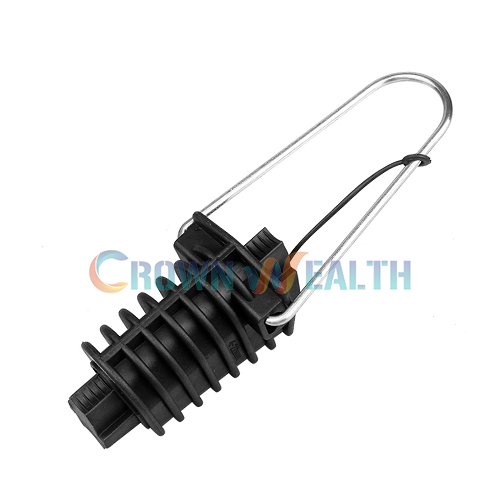
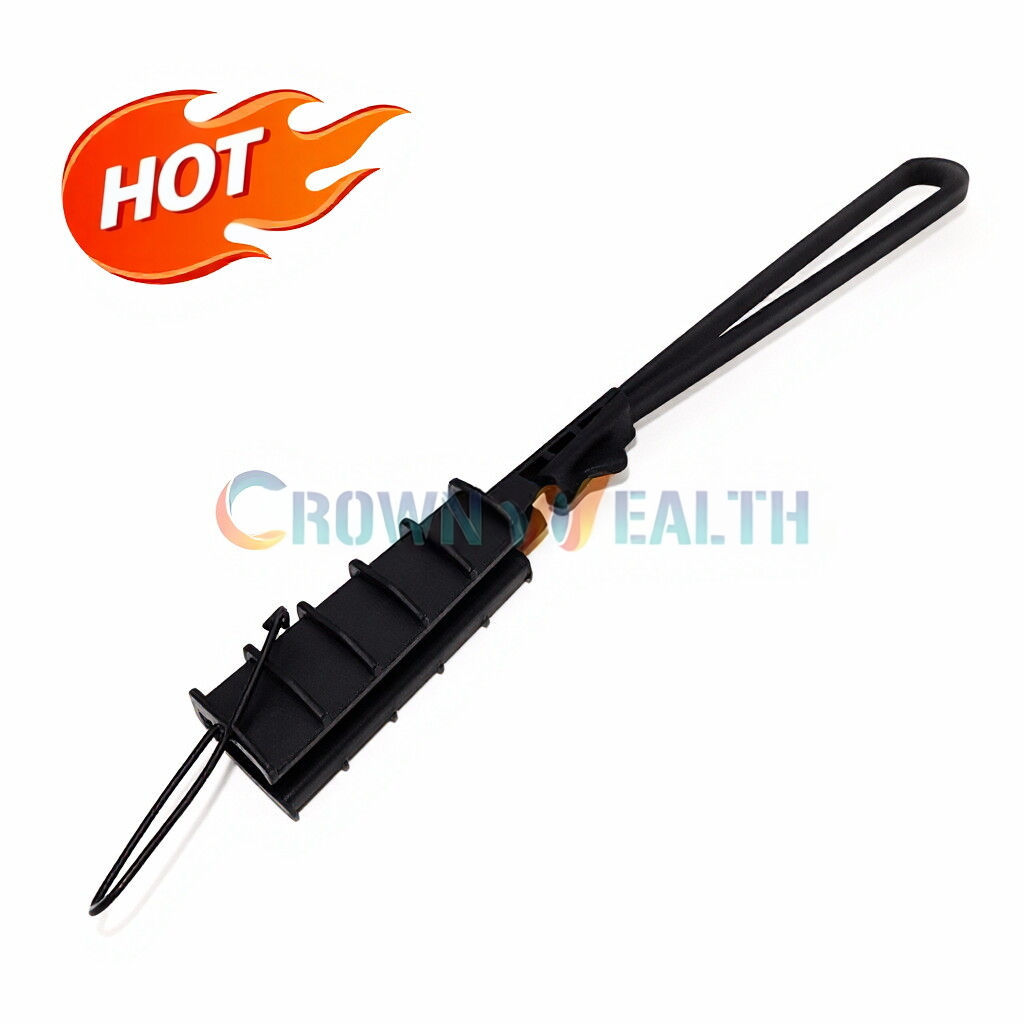
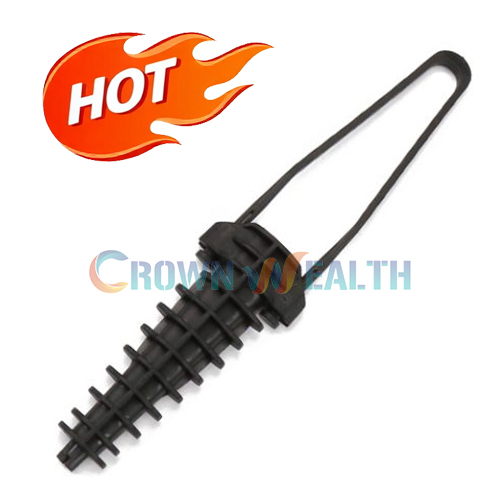
Downlead clamps are essential components in various electrical and telecommunications systems. They are designed to securely hold downleads, which are conductors that connect antennas, lightning rods, or other elevated structures to the ground or a grounding system. These clamps ensure a stable and reliable connection, preventing any unwanted movement or disconnection that could compromise the system's performance.
The Marine Environment: A Hostile Challenge
The marine environment is characterized by a unique set of challenges that can significantly impact the performance and longevity of electrical and mechanical components. The primary factors to consider include:
- Corrosion: Saltwater is highly corrosive, containing a variety of salts and minerals that can accelerate the corrosion process. Metal components, such as downlead clamps, are particularly vulnerable to corrosion, which can weaken the material and compromise its structural integrity.
- Moisture and Humidity: The constant presence of moisture and high humidity levels in the marine environment can lead to the formation of condensation and water ingress. This can cause electrical short circuits, damage to insulation, and promote the growth of mold and mildew.
- Mechanical Stress: The marine environment is subject to constant movement and vibration, including waves, tides, and wind. These forces can exert significant mechanical stress on downlead clamps, potentially causing them to loosen or break over time.
- UV Radiation: The sun's ultraviolet (UV) radiation can degrade the materials used in downlead clamps, such as plastics and rubber. This can lead to cracking, embrittlement, and a reduction in the clamp's overall performance.
Can Downlead Clamps Be Used in a Marine Environment?
The answer to this question depends on several factors, including the design, materials, and quality of the downlead clamps, as well as the specific conditions of the marine environment in which they will be used.
Design and Construction
- Sealed Design: To prevent water ingress and corrosion, downlead clamps used in marine environments should have a sealed design. This can be achieved through the use of gaskets, O-rings, or other sealing mechanisms to create a watertight barrier.
- Robust Construction: The clamps should be designed to withstand the mechanical stress and vibration associated with the marine environment. This may involve using thicker materials, reinforced structures, or additional support features.
- Corrosion-Resistant Coatings: Applying a corrosion-resistant coating to the metal components of the downlead clamps can significantly enhance their resistance to saltwater corrosion. Common coatings include galvanization, powder coating, and epoxy coating.
Materials Selection
- Stainless Steel: Stainless steel is a popular choice for downlead clamps in marine environments due to its excellent corrosion resistance. It contains chromium, which forms a protective oxide layer on the surface of the metal, preventing further corrosion.
- Plastic and Composite Materials: Certain plastics and composite materials, such as fiberglass-reinforced plastic (FRP), can also be used in downlead clamps. These materials are lightweight, non-conductive, and resistant to corrosion and UV radiation.
- Rubber and Elastomers: Rubber and elastomeric materials are often used in the sealing components of downlead clamps to provide a flexible and watertight seal. These materials should be resistant to ozone, UV radiation, and chemical exposure.
Quality and Certification
- Compliance with Standards: Downlead clamps used in marine environments should comply with relevant industry standards and certifications, such as the International Electrotechnical Commission (IEC) standards for electrical equipment in marine applications.
- Testing and Validation: Reputable manufacturers will subject their downlead clamps to rigorous testing and validation procedures to ensure their performance and reliability in marine environments. This may include salt spray testing, humidity testing, and mechanical stress testing.
Our Downlead Clamps for Marine Applications
As a supplier of downlead clamps, we understand the unique challenges of the marine environment and have developed a range of products specifically designed to meet these requirements. Our downlead clamps are:
- Corrosion-Resistant: Made from high-quality stainless steel or other corrosion-resistant materials, our clamps are designed to withstand the harsh conditions of the marine environment.
- Sealed Design: Our clamps feature a sealed design with gaskets and O-rings to prevent water ingress and ensure a watertight connection.
- Robust Construction: We use robust construction techniques and reinforced structures to ensure that our clamps can withstand the mechanical stress and vibration associated with the marine environment.
- UV-Resistant: Our clamps are treated with UV-resistant coatings or made from UV-resistant materials to prevent degradation from the sun's radiation.
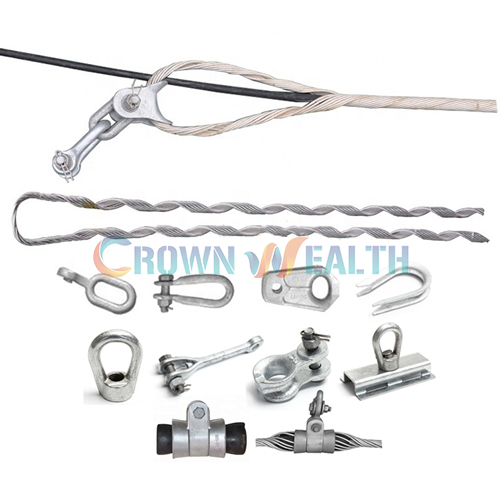
In addition to our standard downlead clamps, we also offer a range of specialized products for specific marine applications, such as Dead-end for Medium and Long Span ADSS, Preformed Tension Clamp, and ADSS Fastening Clamp. These products are designed to provide reliable and secure connections for fiber optic cables in marine environments.


Conclusion
In conclusion, downlead clamps can be used in a marine environment, but it is essential to choose the right product for the specific application. By considering the design, materials, and quality of the downlead clamps, as well as the specific conditions of the marine environment, you can ensure a reliable and long-lasting connection.
As a trusted supplier of downlead clamps, we are committed to providing high-quality products and excellent customer service. If you have any questions or need further information about our downlead clamps for marine applications, please do not hesitate to contact us. We look forward to discussing your requirements and providing you with the best solution for your project.
References
- International Electrotechnical Commission (IEC). (Year). Standards for electrical equipment in marine applications.
- Manufacturer's product specifications and technical documentation.