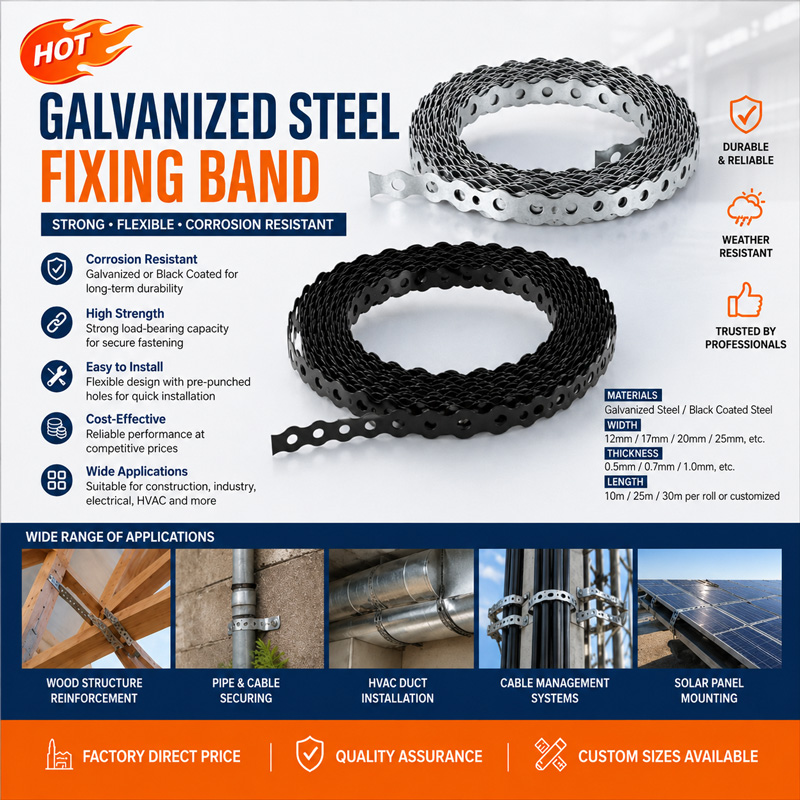
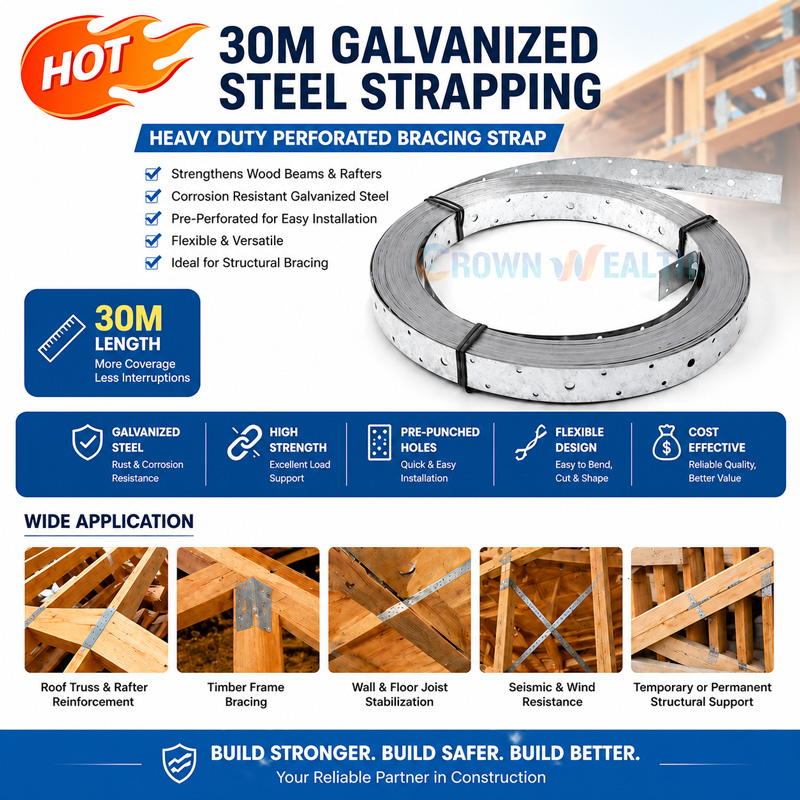
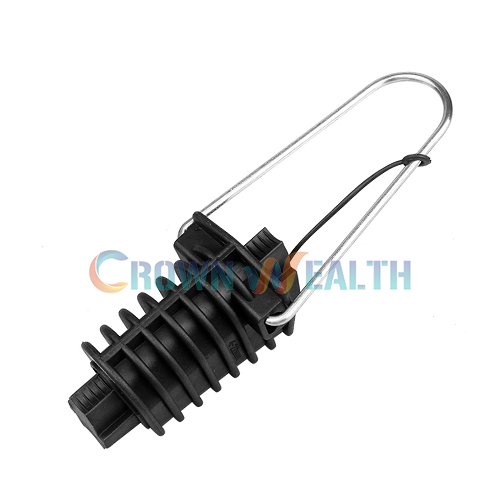
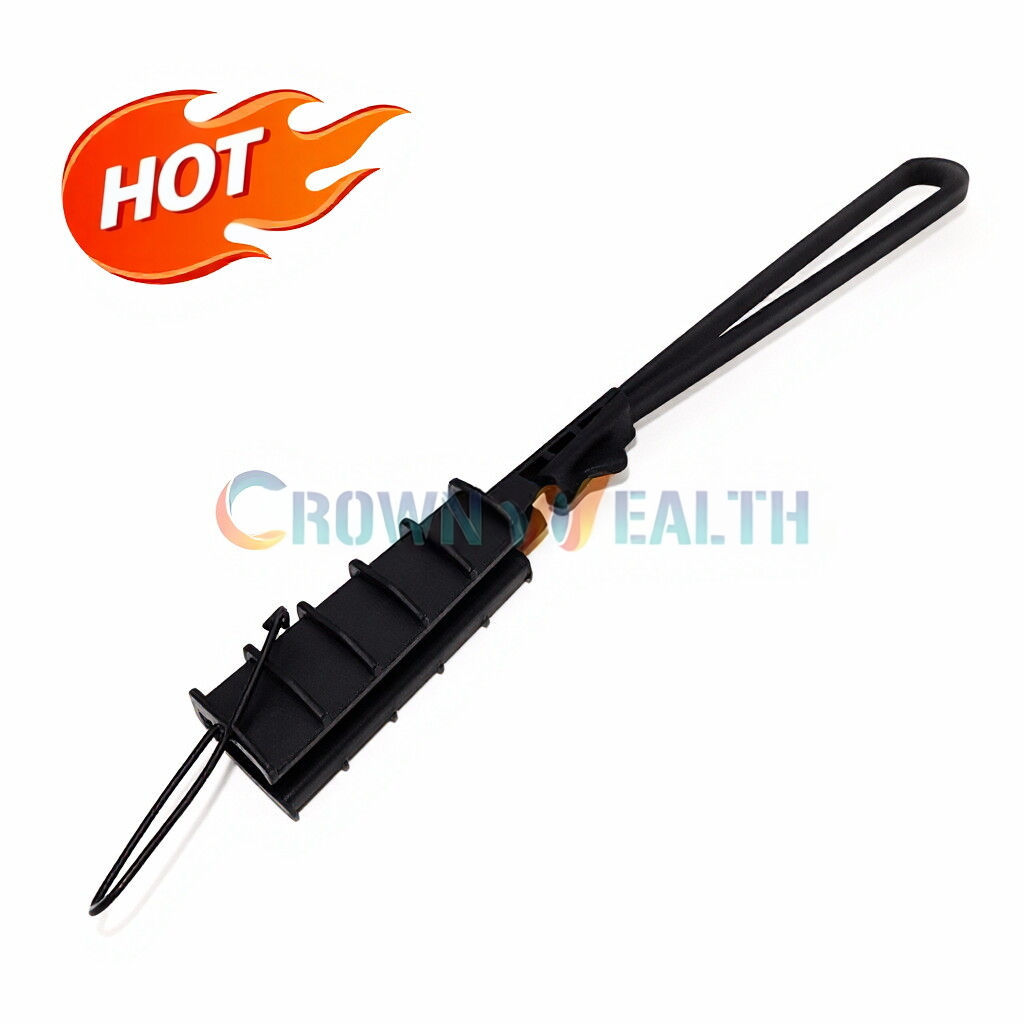
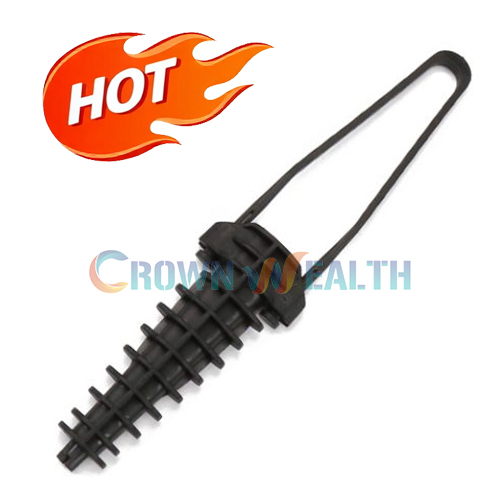
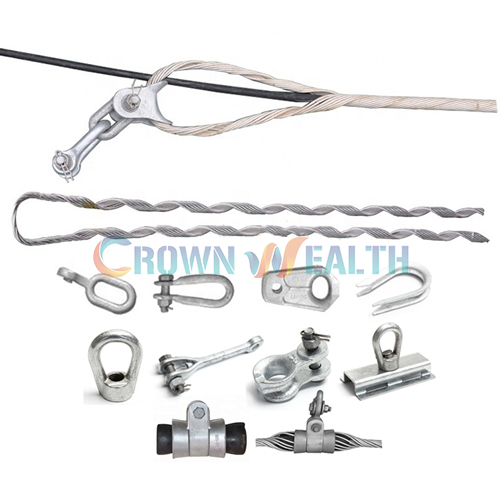
Hey there! As a supplier of Fastening Fixtures, I've seen my fair share of issues when it comes to these essential components. Fastening fixtures play a crucial role in various industries, from construction to manufacturing, and ensuring their proper function is super important. In this blog, I'm gonna talk about the potential failure modes of fastening fixtures and what you can do to avoid them.
1. Over - Tightening and Under - Tightening
One of the most common failure modes is related to the amount of torque applied during installation. When you over - tighten a fastening fixture, it can lead to several problems. For example, the fixture might experience excessive stress, which can cause it to deform or even break. This is especially true for fixtures made of brittle materials. Over - tightening can also damage the mating surfaces, reducing the overall effectiveness of the joint.
On the other hand, under - tightening is equally bad. If a fastening fixture isn't tightened enough, it won't be able to hold the components together securely. This can result in loosening over time due to vibrations or dynamic loads. Loose fixtures can lead to rattling, misalignment, and in severe cases, complete separation of the connected parts.
To prevent these issues, it's important to follow the manufacturer's recommended torque values. Using a torque wrench is a great way to ensure accurate tightening. Also, regular inspections can help detect any signs of over - or under - tightening early on.


2. Corrosion
Corrosion is another major threat to fastening fixtures. When exposed to moisture, chemicals, or harsh environmental conditions, the metal in the fixtures can start to corrode. This can weaken the structure of the fixture, reducing its strength and integrity. For instance, in outdoor applications where the fixtures are constantly exposed to rain and humidity, corrosion can set in quickly.
There are different types of corrosion, such as rust (oxidation of iron and steel), pitting corrosion, and galvanic corrosion. Galvanic corrosion occurs when two different metals are in contact in the presence of an electrolyte, like water. The more reactive metal corrodes faster, which can lead to premature failure of the fixture.
To combat corrosion, you can use fixtures made of corrosion - resistant materials, like stainless steel or coated metals. Applying protective coatings, such as paint or zinc plating, can also provide an extra layer of protection. Regular cleaning and maintenance can help remove any corrosive substances and prevent further damage. Check out our Hot Dip Galvanized Strain Clamp, which is designed to resist corrosion in various environments.
3. Fatigue Failure
Fastening fixtures are often subjected to repeated loading and unloading cycles. Over time, this can cause fatigue failure. Fatigue occurs when the material experiences stress below its ultimate strength but still fails after a certain number of cycles. This is common in applications where there are vibrations, such as in machinery or vehicles.
The signs of fatigue failure can be subtle at first, like small cracks forming on the surface of the fixture. As these cracks grow, they can eventually lead to complete fracture. To prevent fatigue failure, it's important to design the fastening system to minimize stress concentrations. Using fixtures with proper geometry and avoiding sharp corners can help distribute the stress more evenly.
Also, choosing the right material with good fatigue resistance is crucial. Some materials, like high - strength alloys, are better suited for applications with high - cycle loading. Regular inspections to detect early signs of fatigue, such as cracks or surface damage, can help prevent catastrophic failures.
4. Material Defects
Sometimes, the failure of a fastening fixture can be traced back to material defects. These defects can occur during the manufacturing process, such as inclusions, voids, or improper heat treatment. Inclusions are foreign particles trapped in the metal, which can act as stress concentrators and reduce the strength of the material. Voids are empty spaces within the metal, which can also weaken the structure.
Improper heat treatment can result in a material that doesn't have the desired mechanical properties. For example, if a steel fixture isn't hardened or tempered correctly, it might be too soft or too brittle. To minimize the risk of material defects, it's important to work with a reputable manufacturer. A good manufacturer will have quality control measures in place to detect and reject defective materials.
At our company, we take quality seriously. We source our materials from reliable suppliers and conduct thorough inspections to ensure the integrity of our Fastening Fixture.
5. Misalignment
Misalignment during installation can put additional stress on the fastening fixtures. When the components being joined aren't properly aligned, the fixtures have to work harder to hold them together. This can lead to uneven loading, which increases the risk of failure.
For example, if a bolt hole in one component is slightly off - center compared to the corresponding hole in the other component, the bolt will be under shear stress even before any external loads are applied. Over time, this shear stress can cause the bolt to break or the threads to strip.
To avoid misalignment, it's important to use proper alignment tools during installation. Taking the time to ensure that all components are correctly positioned can save a lot of headaches in the long run.
6. Environmental Factors
Apart from corrosion, other environmental factors can also affect the performance of fastening fixtures. Extreme temperatures, for example, can cause the materials to expand or contract. In high - temperature environments, the metal can soften, reducing its strength. In low - temperature environments, the material can become brittle and more prone to cracking.
UV radiation can also degrade certain materials, especially plastics and some coatings. This can lead to a loss of flexibility and adhesion, which can compromise the function of the fixture.
To deal with environmental factors, it's important to choose fixtures that are suitable for the specific environment. For high - temperature applications, using heat - resistant materials is essential. For outdoor applications exposed to UV radiation, using fixtures with UV - resistant coatings can help prolong their lifespan. Our Dead - end for Medium and Long Span ADSS is designed to withstand a wide range of environmental conditions.
Conclusion
In conclusion, there are several potential failure modes of fastening fixtures, including over - and under - tightening, corrosion, fatigue failure, material defects, misalignment, and environmental factors. As a supplier, we understand the importance of providing high - quality fixtures that can withstand these challenges.
By being aware of these failure modes and taking appropriate preventive measures, you can ensure the long - term reliability of your fastening systems. If you're in the market for fastening fixtures, don't hesitate to reach out to us. We're here to help you find the right solutions for your specific needs. Whether you need a large quantity for a big project or just a few pieces for a small repair, we've got you covered.
If you have any questions or want to discuss your requirements, feel free to contact us. We're looking forward to working with you and helping you solve your fastening fixture needs.
References
- ASM Handbook, Volume 11: Failure Analysis and Prevention.
- Machinery's Handbook, 31st Edition.
- Shigley's Mechanical Engineering Design, 11th Edition.