Hey there! As a supplier of ADSS fittings, I've been in the game for quite some time, and I know how crucial it is to ensure the long - term stability of these fittings. ADSS (All - Dielectric Self - Supporting) fittings are used in overhead fiber optic cable installations, and their stability directly impacts the performance and lifespan of the entire cable system. So, let's dive into how we can make sure these fittings stay in top - notch condition for the long haul.
Understanding the Basics of ADSS Fittings
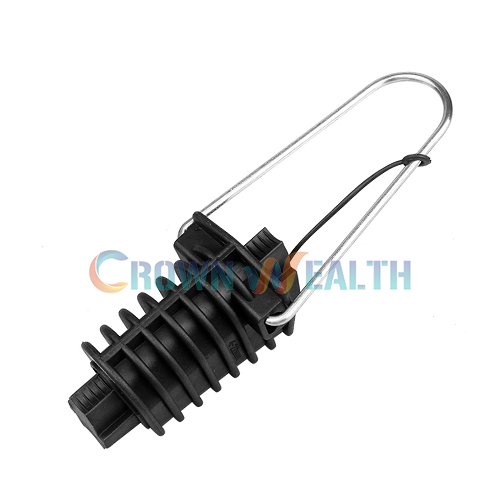
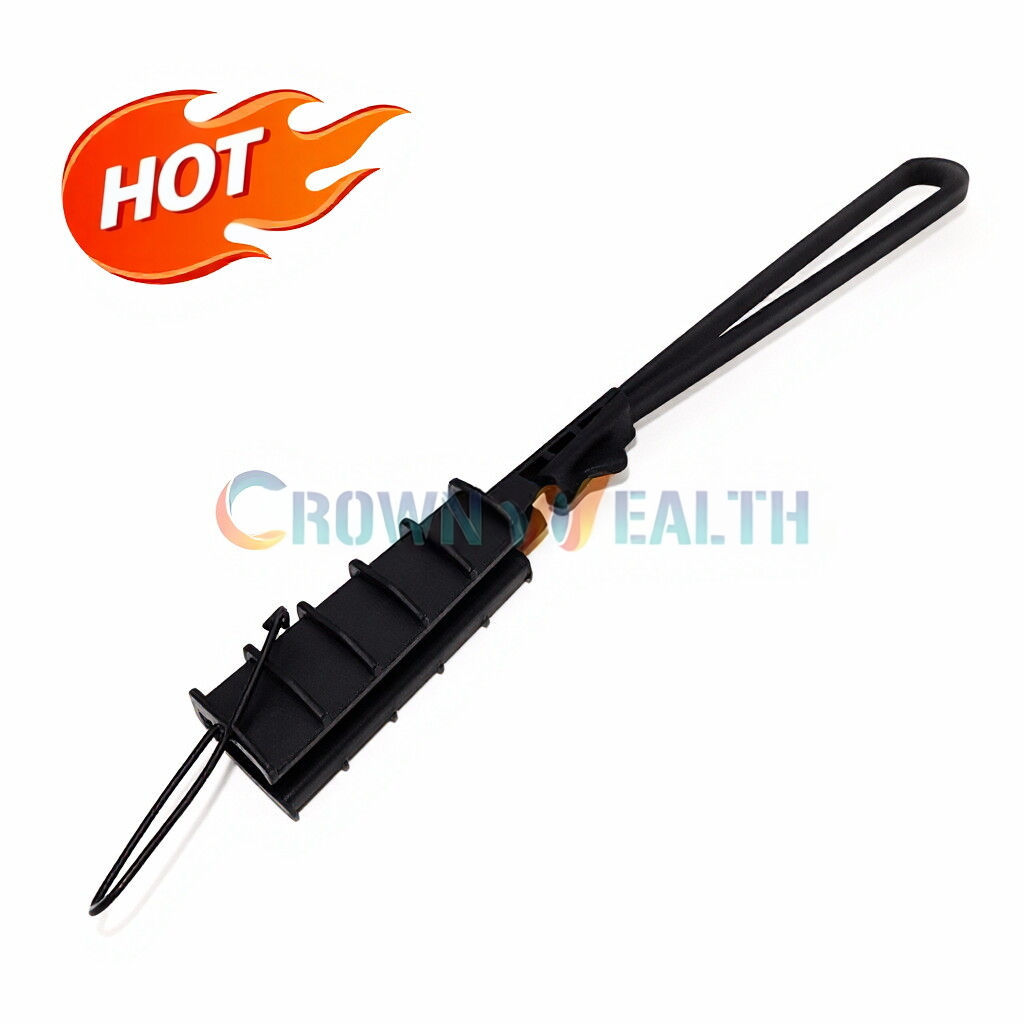
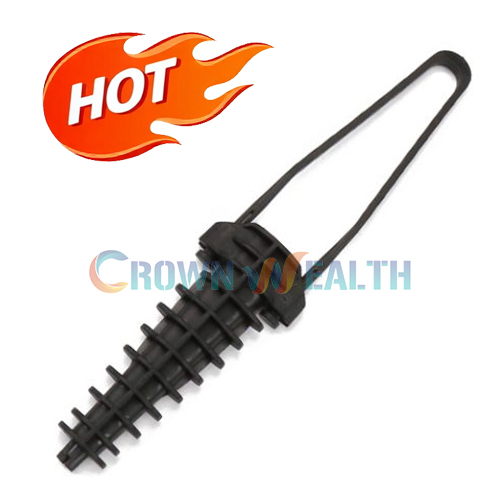
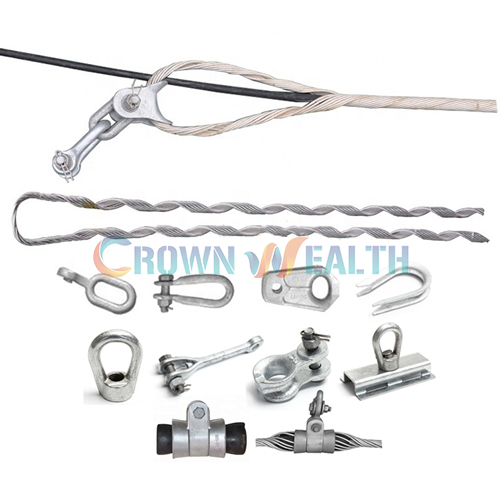
First off, we need to understand what ADSS fittings are and what they do. ADSS fittings are specially designed to support and secure ADSS fiber optic cables in overhead environments. They include things like Preformed Double Suspension Clamp, Fastening Fixture, and Overhead Line Suspension Clamp. Each type of fitting has a specific role, whether it's suspending the cable from poles, attaching it to other structures, or providing additional support.
Material Selection
One of the key factors in ensuring long - term stability is choosing the right materials for the fittings. The materials need to be able to withstand various environmental conditions, such as extreme temperatures, high humidity, and exposure to UV rays. For example, we often use high - strength aluminum alloy or stainless steel for our fittings. These materials are corrosion - resistant, which is super important because corrosion can weaken the fittings over time and lead to failure.
Another aspect of material selection is considering the mechanical properties. The fittings need to have enough strength to support the weight of the cable and any additional loads, like ice or wind. At the same time, they should be flexible enough to adapt to the movement of the cable without causing damage.
Proper Installation
You can have the best - quality fittings, but if they're not installed correctly, all bets are off. Proper installation is crucial for the long - term stability of ADSS fittings. First, the installation team needs to follow the manufacturer's instructions carefully. This includes things like using the right tools, tightening the bolts to the correct torque, and ensuring proper alignment.
During installation, it's also important to inspect the fittings for any damage or defects. Even a small scratch or crack can compromise the integrity of the fitting over time. If any issues are found, the fitting should be replaced immediately.
Environmental Considerations
The environment where the ADSS fittings are installed plays a huge role in their long - term stability. For instance, in areas with high levels of pollution or salt spray, the fittings are more likely to corrode. In these cases, we might need to use additional protective coatings on the fittings to prevent corrosion.
Extreme weather conditions, such as strong winds or heavy snow, can also put a lot of stress on the fittings. To counter this, we can design the fittings to be more aerodynamic or use additional support structures. For example, in windy areas, we might recommend using more frequent suspension clamps to reduce the stress on each individual fitting.
Regular Maintenance
Regular maintenance is a must if you want your ADSS fittings to last. This includes visual inspections on a regular basis to check for signs of wear, corrosion, or damage. Any loose bolts should be tightened, and any damaged fittings should be replaced promptly.
In addition to visual inspections, we can also perform more in - depth tests, such as non - destructive testing, to detect any internal defects in the fittings. These tests can help identify potential problems before they turn into major issues.
Quality Control in Production
As a supplier, we have a responsibility to ensure the quality of our ADSS fittings from the very beginning. This means implementing strict quality control measures during the production process. We use advanced manufacturing techniques and high - precision machinery to ensure that each fitting meets the required specifications.
Before the fittings are shipped out, they go through a series of tests, including mechanical tests, corrosion tests, and electrical tests (if applicable). Only the fittings that pass all these tests are considered ready for the market.
Compatibility with the Cable
It's also important to make sure that the ADSS fittings are compatible with the cable they're being used with. Different cables have different diameters, weights, and mechanical properties, and the fittings need to be able to accommodate these differences. Using incompatible fittings can lead to uneven stress distribution on the cable, which can cause damage over time.
When selecting fittings, we always take into account the specific characteristics of the cable. This ensures that the fittings provide the right amount of support and protection for the cable, which in turn contributes to the long - term stability of the entire system.
Training and Education
Finally, providing training and education to the installation and maintenance teams is essential. They need to understand the importance of proper installation and maintenance procedures. By investing in training, we can ensure that the people working with the ADSS fittings have the knowledge and skills to do the job right.
If you're in the market for high - quality ADSS fittings and want to ensure their long - term stability, I'd love to have a chat with you. Whether you have questions about material selection, installation, or maintenance, I'm here to help. Don't hesitate to reach out for a consultation and let's work together to find the best solutions for your needs.


References
- Industry standards for ADSS fittings
- Manufacturer's guidelines for installation and maintenance
- Research papers on the effects of environmental factors on ADSS fittings