Hey there! As a supplier of double suspension clamps, I've seen firsthand the different installation requirements for various cable types. In this blog, I'm gonna break down these differences to help you understand what you need to know when it comes to installing double suspension clamps for different cables.
1. Understanding Different Cable Types
Before we dive into the installation differences, let's quickly go over some common cable types. We've got things like ADSS (All - Dielectric Self - Supporting) cables, which are widely used in fiber - optic communication systems. These cables are self - supporting, meaning they don't rely on a metallic conductor for support. Then there are overhead power cables, which are used to transmit electricity over long distances.
2. Installation of Double Suspension Clamps for ADSS Cables
2.1 Preparation
When dealing with ADSS cables, the first step is to carefully measure the cable diameter. ADSS cables come in different sizes, and using the right - sized double suspension clamp is crucial. You can use a caliper to get an accurate measurement. Make sure the work area is clean and free from any debris that could damage the cable during installation.
2.2 Clamp Selection
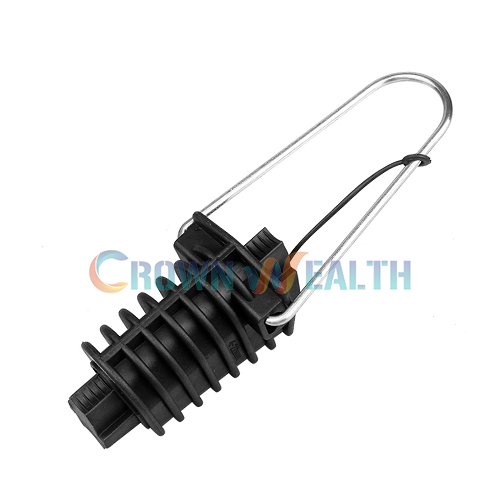
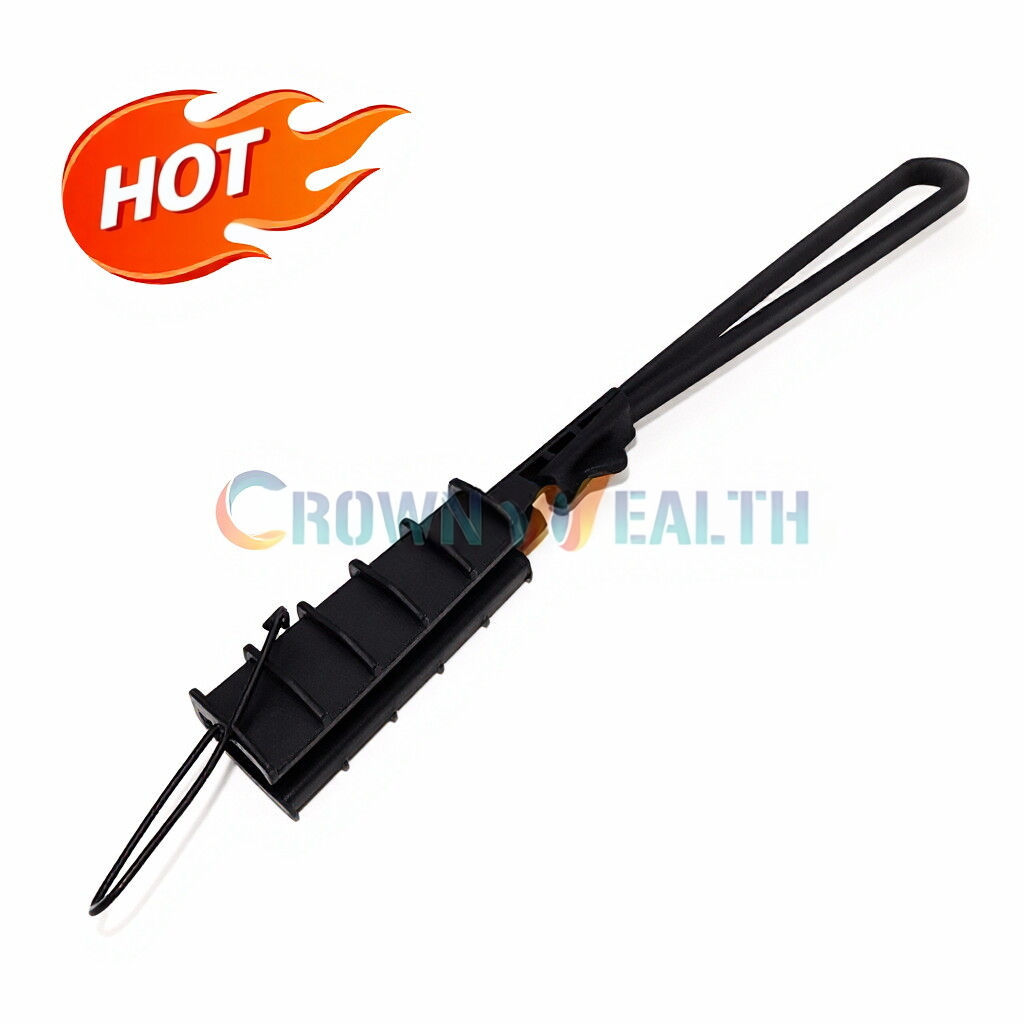
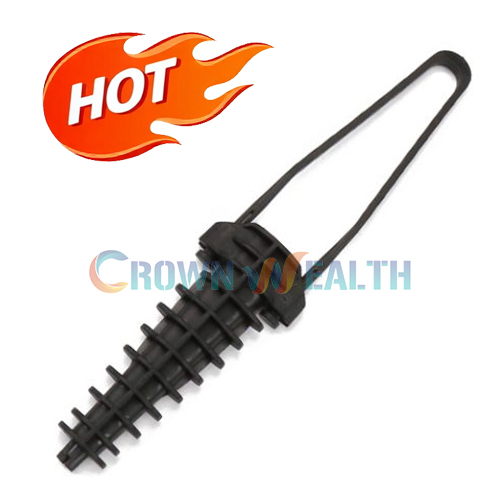
For ADSS cables, you'll want to choose double suspension clamps that are specifically designed for this cable type. These clamps usually have a smooth inner surface to prevent damage to the delicate fiber - optic strands inside the cable. Our ADSS Down Lead Clamp is a great option for securing ADSS cables at the down - lead section.
2.3 Installation Process
First, open the double suspension clamp carefully. Place the ADSS cable in the center of the clamp, making sure it's properly aligned. Then, gently close the clamp and tighten the bolts according to the manufacturer's specifications. It's important not to overtighten, as this can cause damage to the cable. You may need to use a torque wrench to ensure the correct tightening force.
3. Installation of Double Suspension Clamps for Overhead Power Cables
3.1 Preparation
Overhead power cables are much heavier and more robust than ADSS cables. Before installation, you need to have the proper safety equipment, including harnesses and hard hats. Inspect the cable for any signs of damage, such as cuts or abrasions. Also, check the tension of the cable, as this can affect the installation process.
3.2 Clamp Selection
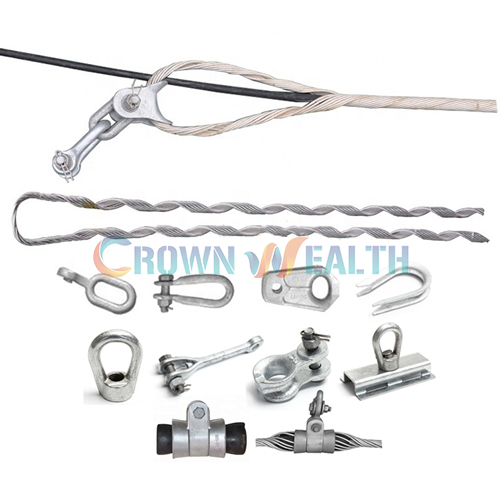
When it comes to overhead power cables, you'll need double suspension clamps that can withstand high - tension forces. Our Overhead Line Suspension Clamp is designed to handle the weight and stress of overhead power cables. These clamps are usually made of high - strength materials like steel.
3.3 Installation Process
Similar to ADSS cables, start by opening the double suspension clamp. Place the overhead power cable in the clamp, making sure it's centered. However, due to the cable's weight, you may need some assistance to hold the cable in place during installation. Once the cable is in position, close the clamp and tighten the bolts. Since overhead power cables are under high tension, it's essential to use a high - quality torque wrench to ensure the bolts are tightened to the correct specification.
4. Installation of Double Suspension Clamps for ADSS Tensioned Sections
4.1 Preparation
In ADSS tensioned sections, the cable is under significant stress. Before installation, you need to calculate the tension force accurately. This can be done using specialized equipment or by referring to engineering tables. Make sure the work area is well - lit and that you have all the necessary tools within reach.


4.2 Clamp Selection
For ADSS tensioned sections, ADSS Tension Clamp is the way to go. These clamps are designed to handle the high - tension forces without damaging the cable. They often have a unique design that distributes the tension evenly along the cable.
4.3 Installation Process
Installing double suspension clamps in ADSS tensioned sections requires extra care. First, mark the position on the cable where the clamp will be installed. Then, carefully open the clamp and place it over the marked area. Align the clamp precisely with the cable and close it. Tighten the bolts gradually, checking the tension regularly to ensure it remains within the acceptable range.
5. Other Factors Affecting Installation
5.1 Environmental Conditions
The environment where the cables are installed can have a significant impact on the installation process. In areas with high humidity or extreme temperatures, you may need to use clamps that are resistant to corrosion or thermal expansion. For example, in coastal areas, clamps made of stainless steel are a better choice as they can withstand the salty air.
5.2 Cable Routing
The way the cable is routed also affects the installation of double suspension clamps. If the cable has sharp bends or twists, you may need to use additional clamps or supports to ensure proper alignment. Make sure the cable is routed in a way that minimizes stress on the clamps and the cable itself.
6. Conclusion
As you can see, the installation of double suspension clamps varies greatly depending on the cable type. Whether you're dealing with ADSS cables, overhead power cables, or ADSS tensioned sections, it's essential to follow the correct installation procedures to ensure the safety and reliability of the cable system.
If you're in the market for high - quality double suspension clamps or have any questions about installation, feel free to reach out. We're here to help you make the right choices for your cable installation needs. Let's have a chat and see how we can work together to meet your requirements.
References
- Cable Installation Manuals
- Industry Standards for Cable Fittings