Hey there! As a supplier of protective fittings, I've seen firsthand how crucial these little gadgets are in preventing static electricity. Static electricity can be a real pain in the neck, causing all sorts of problems from minor shocks to serious damage in industrial settings. So, let's dive into how our protective fittings play a key role in keeping static at bay.
First off, what exactly is static electricity? Well, it's basically an imbalance of electric charges within or on the surface of a material. When two objects come into contact and then separate, electrons can transfer from one to the other. If the objects don't conduct electricity well, these charges can build up and create a static charge. This can lead to all kinds of issues, like attracting dust, interfering with electronic equipment, or even causing sparks that could start a fire in a flammable environment.
Now, let's talk about how our protective fittings step in to solve these problems. One of the main ways is through grounding. Grounding is like giving the static charge a way to escape safely. Many of our protective fittings are designed to be connected to the ground, providing a direct path for the static electricity to flow away.
Take our Helical Spiral Vibration Damper for example. This nifty little device not only helps to reduce vibrations in power lines but also plays a role in static prevention. It's made of conductive materials that can carry the static charge down to the ground. When the wind blows or there's some other movement in the power line, static charges can build up. But with our Helical Spiral Vibration Damper, these charges are quickly dissipated, preventing any potential problems.
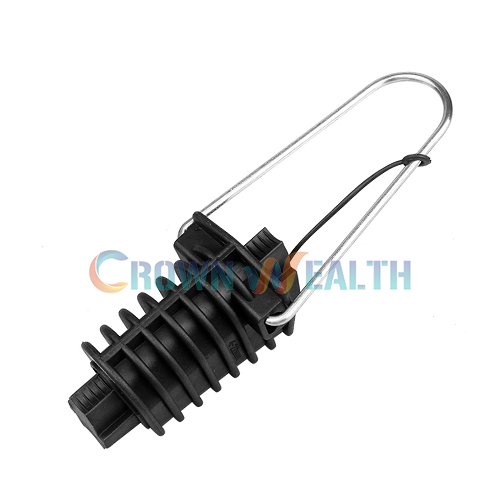
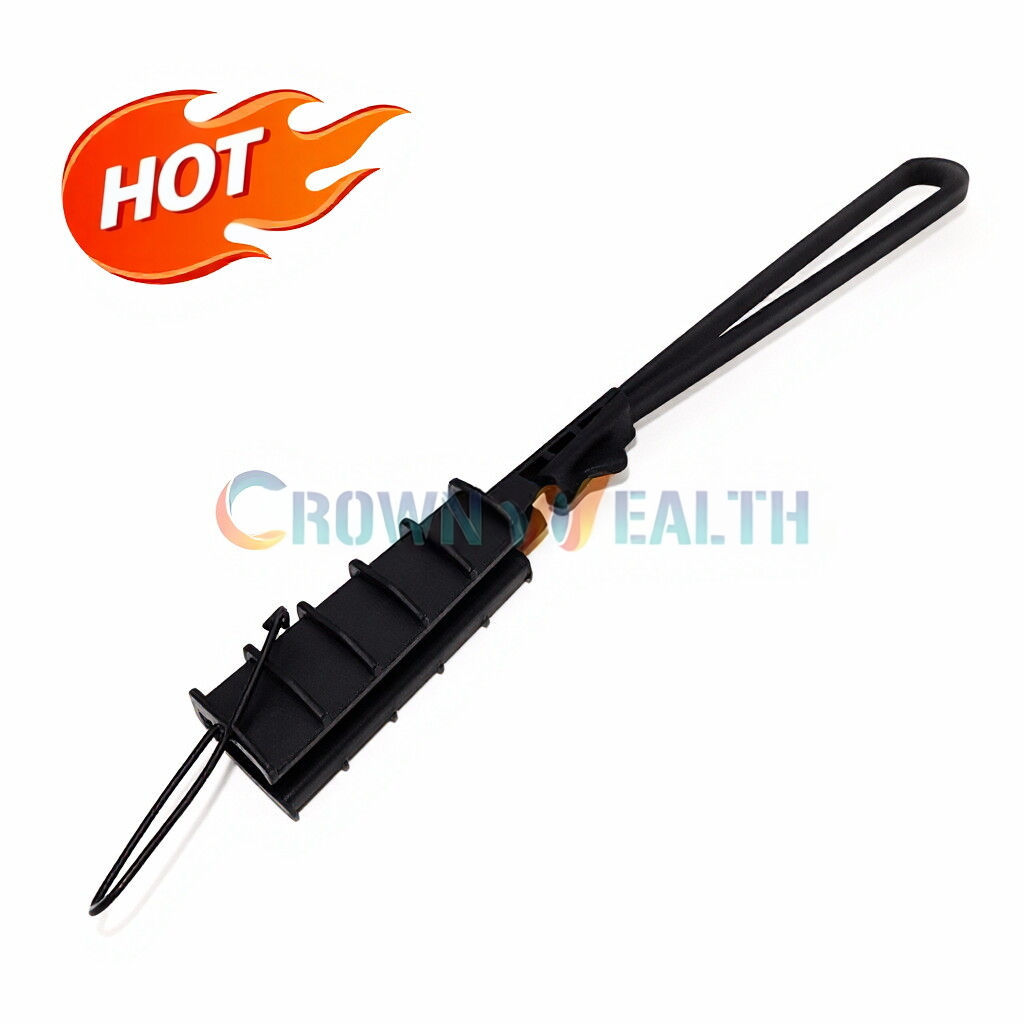
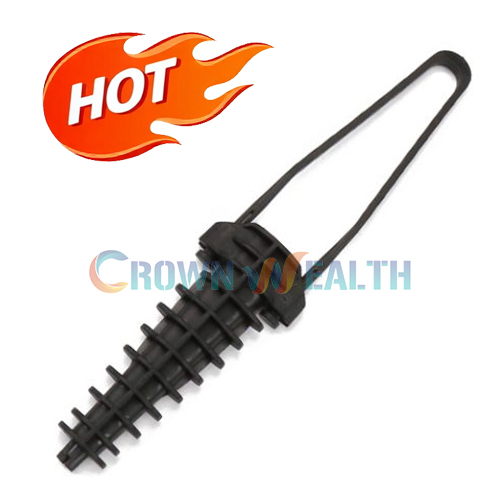
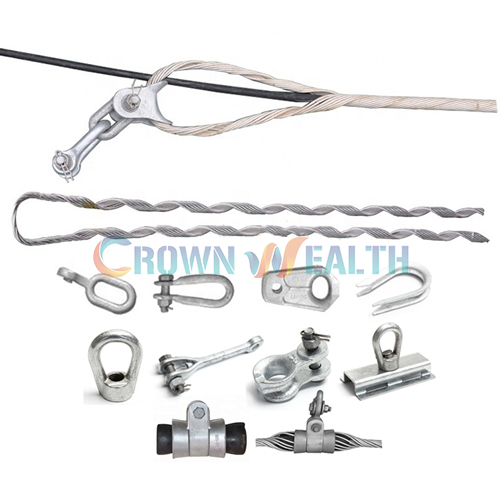
Another important type of fitting is our Preformed Dead End Guy Grips. These are used to secure the ends of guy wires, which are often used to support structures like poles and towers. The preformed design ensures a tight and secure fit, and they're also made with materials that conduct electricity. This means that any static charge that builds up on the guy wire can be safely transferred to the ground through the grips.
Our Dead End Guy Grips work in a similar way. They're another essential part of the system that helps to keep static electricity under control. By providing a reliable connection between the guy wire and the ground, they prevent static charges from accumulating and causing issues.
But grounding isn't the only way our protective fittings prevent static electricity. Some of them are also designed to reduce friction. Friction is one of the main causes of static charge buildup. When two surfaces rub against each other, electrons can be transferred, creating a static charge.
Our fittings are made with smooth surfaces and special coatings that minimize friction. For example, in some industrial applications where pipes are used to transport fluids, static charges can build up due to the friction between the fluid and the pipe wall. Our protective fittings can be installed on the pipes to reduce this friction, preventing the static charge from forming in the first place.
In addition to these physical properties, our protective fittings are also carefully engineered to meet high standards of quality and performance. We use advanced manufacturing techniques to ensure that each fitting is consistent and reliable. This means that you can count on them to do their job of preventing static electricity day in and day out.


We also offer a wide range of sizes and designs to suit different applications. Whether you're working on a small residential project or a large industrial installation, we've got the right protective fitting for you. And our team of experts is always on hand to help you choose the best fitting for your specific needs.
If you're dealing with static electricity issues in your work or project, don't hesitate to get in touch. We're here to help you find the right protective fittings to keep your equipment and environment safe. Our fittings are not only effective at preventing static electricity but also offer great value for money. So, why wait? Contact us today to start the conversation about your protective fitting needs.
References
- Physics textbooks on electricity and magnetism
- Industry standards and guidelines for static electricity prevention