Grounding is a fundamental safety measure in electrical engineering, designed to protect personnel and equipment from electrical hazards. When it comes to OPGW (Optical Ground Wire) fittings, the question of whether grounding is necessary is one that deserves detailed exploration. As an experienced OPGW fitting supplier, I've encountered this question frequently from customers, and I am eager to shed light on this topic.
The Basics of OPGW Fittings
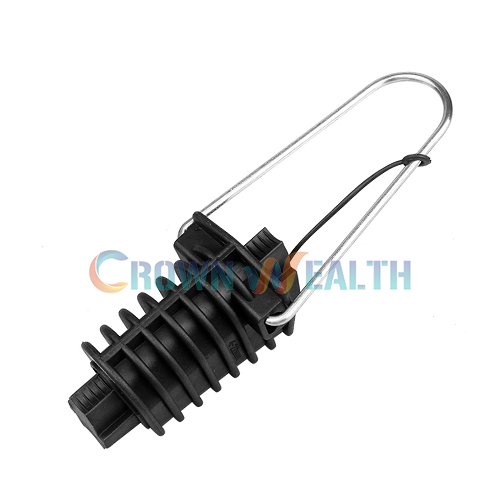
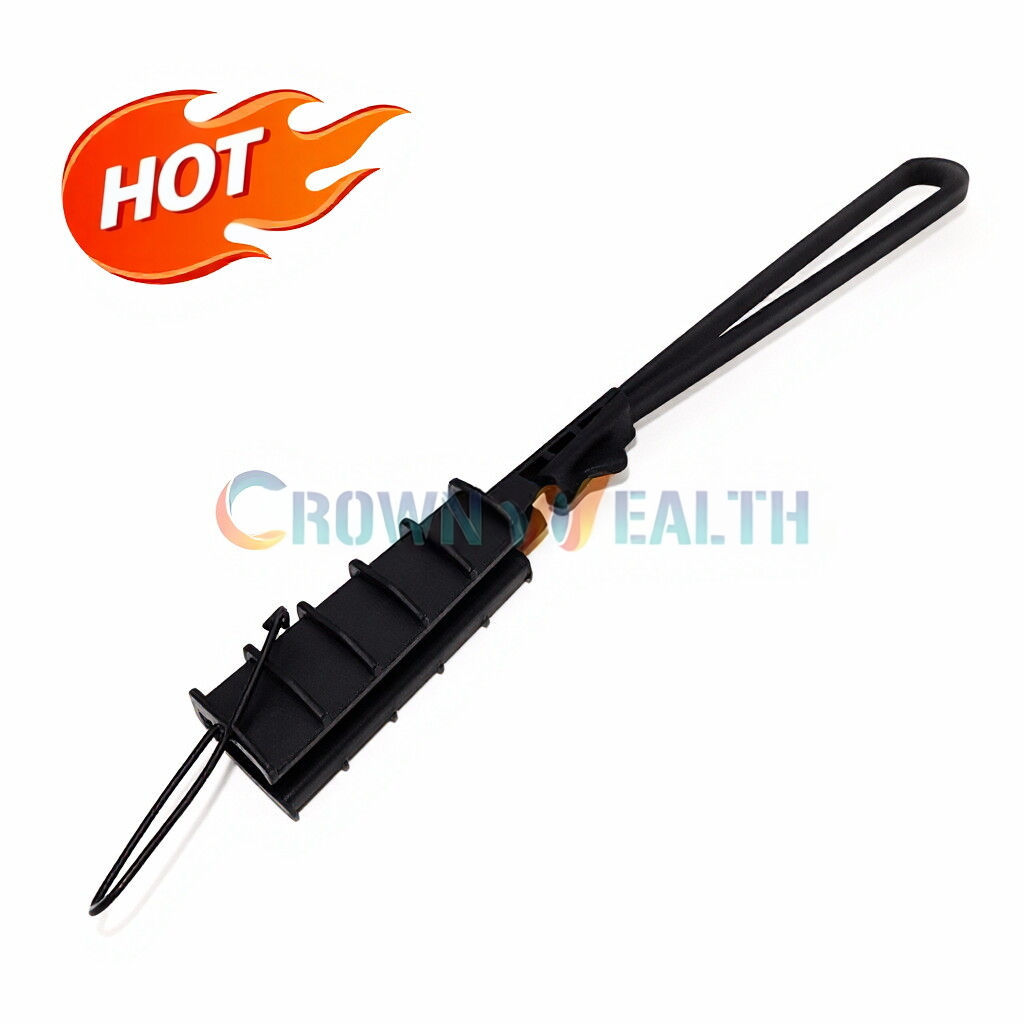
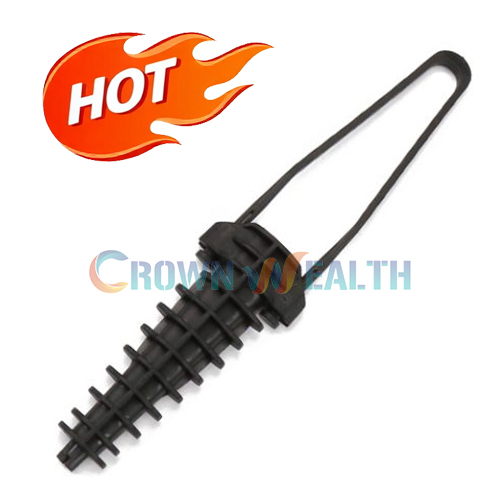
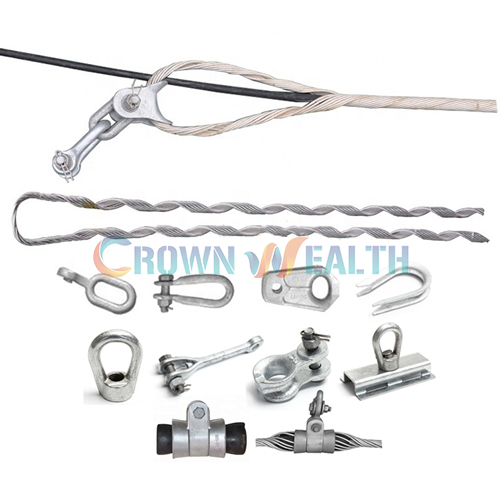
Before delving into the grounding issue, let's understand what OPGW fittings are. OPGW is a special type of cable that combines the functions of electrical grounding and optical communication. It is widely used in power transmission lines to provide both a grounding conductor and a medium for data transmission. OPGW fittings, such as Preformed Double Suspension, OPGW Strain Clamp, and OPGW Preformed Helical Tension Clamp, are essential components that secure and support the OPGW cable along the transmission line.
These fittings are subject to various environmental and electrical stresses. They need to withstand mechanical forces like wind, ice, and the weight of the cable itself, as well as electrical currents induced by the power lines. The way OPGW fittings interact with electrical currents is closely related to the necessity of grounding.
Reasons for Grounding OPGW Fittings
Safety Considerations
Electrical safety is paramount in any power system. Without proper grounding, OPGW fittings can accumulate electrical charges during normal operation or in the event of a fault. These charges, if not dissipated, can present a serious risk to maintenance personnel, who may come into contact with the fittings during inspections or repairs. Grounding provides a low - resistance path for electrical current to flow into the earth, ensuring that the potential difference between the fittings and the ground is minimized, thus preventing electric shocks.
Equipment Protection
OPGW fittings are made of various materials, including metals. Exposure to high - voltage electrical surges can cause damage to these materials, leading to premature wear and failure of the fittings. Grounding helps to divert excessive electrical energy away from the fittings. During a lightning strike or short - circuit event, the ground connection allows the large current to flow safely into the ground, protecting the fittings from the destructive effects of overcurrent and overvoltage.
Reducing Electromagnetic Interference
In addition to their mechanical functions, OPGW fittings are part of a complex electrical and optical system. Electrical currents in the fittings can generate electromagnetic fields, which may interfere with the optical signals transmitted through the OPGW cable. By grounding the fittings, the electrical currents are better controlled, reducing the electromagnetic interference and ensuring the reliable transmission of optical data.
Situations Where Grounding May Not Be Necessary
However, there are some specific scenarios where grounding of OPGW fittings might not be as crucial. In some low - voltage distribution lines, the electrical stresses on the OPGW and its fittings are relatively minor. If the system is properly insulated and the probability of electrical faults is extremely low, the need for immediate grounding of the fittings can be re - evaluated. But this does not mean that grounding can be completely ignored. Even in low - risk situations, periodic checks of the electrical insulation of the system and the OPGW fittings are necessary to ensure long - term safety and reliability.
Factors Affecting the Grounding Decision
System Voltage Level
The voltage level of the power system is a major factor in determining whether OPGW fittings need to be grounded. High - voltage transmission lines, typically above 110 kV, pose a greater risk of electrical surges and faults. In these cases, grounding of OPGW fittings is a must to safeguard against the high - energy electrical events that can occur. On the other hand, in lower - voltage systems, the grounding requirements may be more flexible, but still need to be carefully assessed.
Environmental Conditions
The environment where the OPGW is installed also affects the grounding decision. Areas prone to lightning strikes, such as mountainous regions or tropical areas with frequent thunderstorms, require more robust grounding measures. Similarly, areas with high humidity or corrosive atmospheres can affect the electrical characteristics of the fittings and the grounding system. Moisture can increase the conductivity of the surrounding air, while corrosive substances can damage the grounding conductors and fittings over time. In such environments, regular inspections and maintenance of the grounding system are essential.
Cable Configuration
The way the OPGW cable is configured in the power line also plays a role. If the OPGW is part of a redundant or backup system, the grounding requirements may be different from those of a primary power line. For example, in a system with multiple parallel OPGW cables, the overall electrical behavior and the need for individual grounding of the fittings may be affected by the inter - cable interactions and the system's redundancy design.
Grounding Methods for OPGW Fittings
There are several effective grounding methods for OPGW fittings. One common approach is to use a grounding conductor, such as a copper or aluminum wire, to connect the fittings to the earth electrode. The earth electrode is typically a metal rod or plate buried deep in the ground to ensure good electrical contact with the soil. Another method is to integrate the grounding function into the design of the fittings themselves. Some modern OPGW fittings are designed with built - in grounding paths, which simplify the grounding installation process and improve the overall reliability of the grounding system.
Conclusion
In general, grounding OPGW fittings is a critical safety and reliability measure in most power systems. While there are some exceptional cases where grounding may seem less necessary, a careful evaluation of the system's voltage level, environmental conditions, and cable configuration is required before making a decision. As an OPGW fitting supplier, I strongly recommend that our customers follow international standards and best practices in electrical safety when installing and maintaining their OPGW systems.
If you are in the process of planning a power line project or need to replace existing OPGW fittings, I encourage you to reach out to us. We have a team of experts who can provide professional advice on grounding solutions for your specific needs. Contact us to discuss your procurement requirements, and let us work together to ensure the safe and efficient operation of your power system.


References
- IEEE Standards Association. IEEE Guide for Installation, Maintenance, and Testing of Fiber Optic Cables and Conduits in Power Substations.
- International Electrotechnical Commission (IEC). IEC 60794 - 4 - 1: Optical fibre cables - Part 4 - 1: Sectional specification for optical ground wires (OPGW) - General requirements and test methods.
- Power Cable Engineers Association. Manual of power cable engineering, which includes sections on OPWG installation and grounding.