Choosing the right size of preformed armor rods is a critical decision that can significantly impact the performance and longevity of your overhead power lines, telecommunications cables, and other cable systems. As a seasoned supplier of preformed armor rods, I understand the complexities involved in this process. In this blog post, I'll share valuable insights on how to select the appropriate size of preformed armor rods for your specific needs.
Understanding Preformed Armor Rods
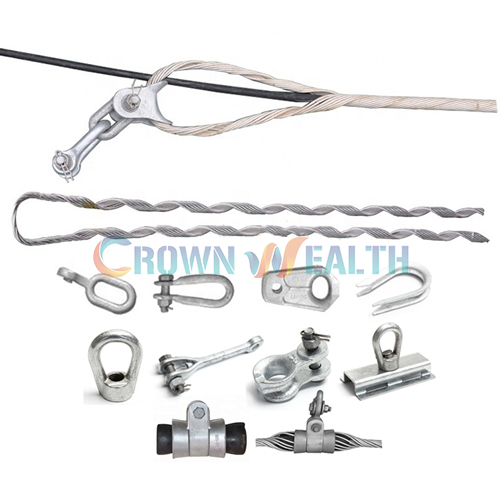
Before delving into the selection process, it's essential to understand what preformed armor rods are and what they do. Preformed armor rods are helically wound wire rods designed to protect cables from mechanical damage, such as abrasion, vibration, and bending stress. They are typically made of high - strength aluminum alloy or steel and are pre - formed to fit snugly around the cable.
Armor rods distribute the load evenly along the cable, reducing the stress concentration at attachment points and increasing the cable's resistance to environmental factors. They are widely used in power transmission and distribution systems, as well as in telecommunications networks. You can find more information about Armor Rods.
Factors to Consider When Choosing the Right Size
Cable Diameter
The most fundamental factor in choosing the size of preformed armor rods is the diameter of the cable they will be installed on. The armor rods must be sized to fit the cable precisely. If the armor rods are too small, they may not provide adequate protection and could even damage the cable during installation. On the other hand, if they are too large, they may not grip the cable properly, leading to slippage and reduced effectiveness.
To determine the correct armor rod size based on cable diameter, refer to the manufacturer's sizing charts. These charts typically list the recommended armor rod size for different cable diameters. It's important to measure the cable diameter accurately, taking into account any insulation or protective coatings.
Cable Tension
Cable tension also plays a crucial role in the selection of preformed armor rods. Higher tension cables require larger and stronger armor rods to withstand the increased stress. When a cable is under tension, the armor rods need to be able to transfer the load from the cable to the supporting structure effectively.
In high - tension applications, such as long - span power transmission lines, it's often necessary to use armor rods with a larger cross - sectional area and higher strength. Consult with an engineer or refer to industry standards to determine the appropriate armor rod size based on the cable tension.
Environmental Conditions
The environmental conditions in which the cable will operate can affect the choice of armor rod size. In areas with high winds, ice loading, or severe vibration, larger and more robust armor rods may be required. For example, in coastal regions where strong winds are common, the armor rods need to be able to resist the aerodynamic forces acting on the cable.
In addition, if the cable is exposed to corrosive environments, such as near industrial areas or saltwater, consider using armor rods made of corrosion - resistant materials. The size and thickness of the armor rods may also need to be adjusted to account for the additional protection required against corrosion.
Application Type
The specific application of the cable is another important consideration. Different applications have different requirements for cable protection. For example, in power transmission lines, the armor rods need to protect the cable from mechanical stress during installation and operation, as well as from electrical arcing. In telecommunications cables, the focus may be more on protecting the cable from physical damage and vibration.
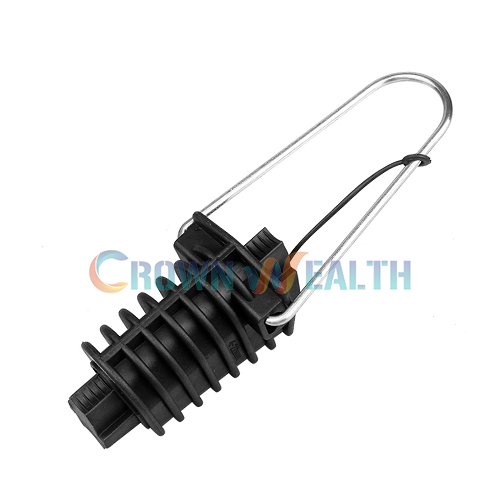
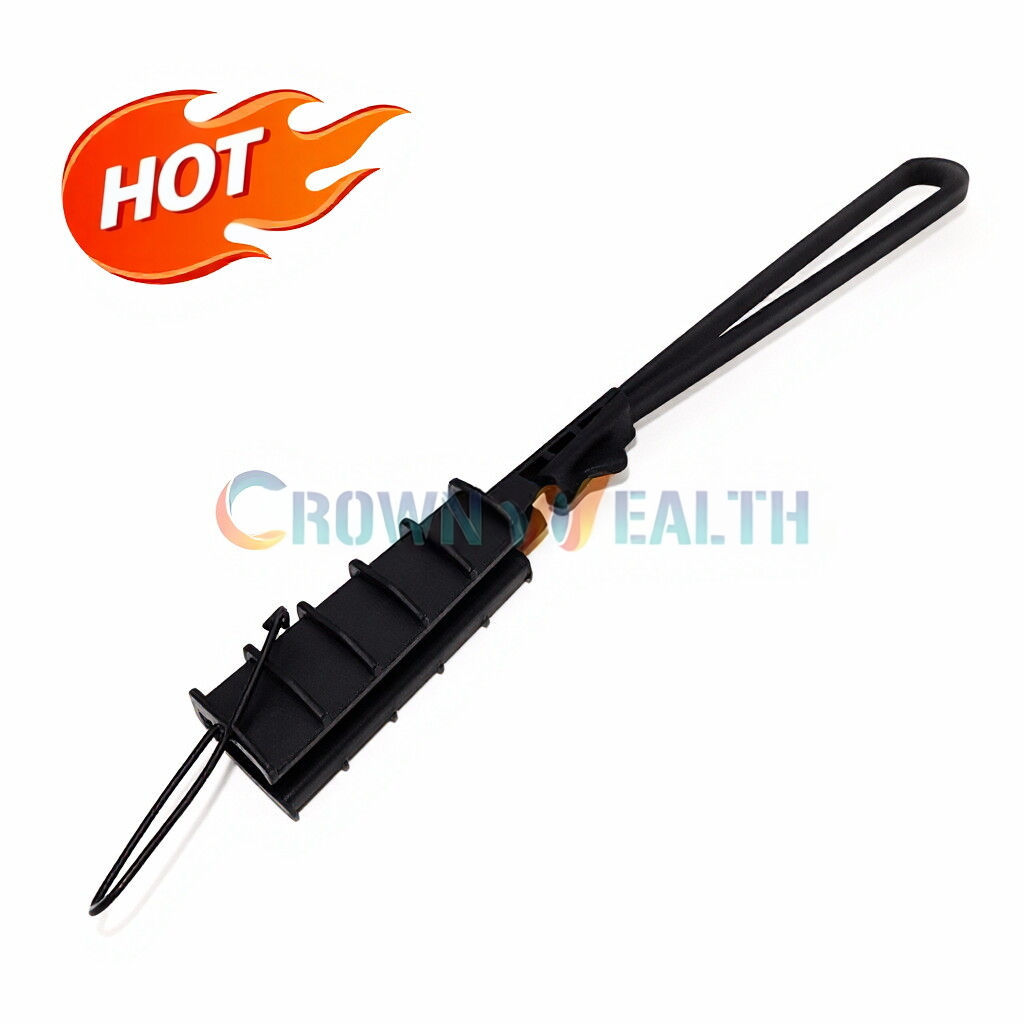
For power transmission lines, larger and more heavy - duty armor rods are often used to ensure reliable operation. In contrast, telecommunications cables may require smaller and more flexible armor rods. You can also explore related products like Cable Guy Grips and Spiral Vibration Damper depending on your application.
Measuring and Selecting the Size
Measuring the Cable
Accurate measurement of the cable is the first step in selecting the right size of preformed armor rods. Use a caliper or a measuring tape to measure the outer diameter of the cable at several points along its length. Take the average of these measurements to get a more accurate value.
If the cable has a non - circular cross - section, such as an oval or flat cable, measure the major and minor diameters and consult the manufacturer for the appropriate armor rod size.
Referring to Sizing Charts
Once you have the cable diameter, refer to the sizing charts provided by the armor rod manufacturer. These charts are based on extensive testing and engineering calculations and provide a reliable guide for selecting the correct size.
Make sure to use the sizing chart that corresponds to the type of cable (e.g., power cable, telecommunications cable) and the material of the armor rods (e.g., aluminum alloy, steel).
Consulting with Experts
If you are unsure about the appropriate size of preformed armor rods for your application, it's always a good idea to consult with experts. This could include the manufacturer's technical support team, electrical engineers, or industry consultants.
These experts can take into account all the relevant factors, such as cable tension, environmental conditions, and application requirements, to provide you with accurate recommendations.
Installation Considerations
Proper installation of preformed armor rods is as important as choosing the right size. Incorrect installation can lead to reduced performance and even damage to the cable. Here are some installation tips:


- Clean the Cable: Before installing the armor rods, make sure the cable surface is clean and free of dirt, grease, and debris. This will ensure a good grip between the armor rods and the cable.
- Follow the Installation Instructions: The manufacturer provides detailed installation instructions for the armor rods. Follow these instructions carefully to ensure proper installation.
- Use the Right Tools: Use the appropriate tools for installing the armor rods, such as a special installation tool or a pair of pliers. This will make the installation process easier and more accurate.
Importance of Choosing the Right Size
Choosing the right size of preformed armor rods is crucial for several reasons:
- Enhanced Cable Protection: Properly sized armor rods provide effective protection against mechanical damage, vibration, and environmental factors, extending the lifespan of the cable.
- Improved System Reliability: By reducing stress concentration and preventing cable damage, the right size of armor rods helps to ensure the reliable operation of the cable system.
- Cost - Effectiveness: Selecting the correct size of armor rods avoids the need for premature replacement or repairs, saving you time and money in the long run.
Conclusion
Choosing the right size of preformed armor rods is a multi - faceted process that requires careful consideration of cable diameter, tension, environmental conditions, and application type. By following the guidelines outlined in this blog post and consulting with experts when needed, you can make an informed decision and ensure the optimal performance of your cable system.
If you are in the market for high - quality preformed armor rods or need further assistance in choosing the right size, I encourage you to reach out to us. Our team of experts is ready to help you find the perfect solution for your specific requirements. Contact us today to start the procurement and negotiation process.
References
- Electrical Transmission and Distribution Reference Book, Westinghouse Electric Corporation
- IEEE Standards for Overhead Transmission Lines
- International Electrotechnical Commission (IEC) Standards for Cable Accessories