Insulation performance is a crucial factor to consider when evaluating OPGW (Optical Power Ground Wire) fittings. As a professional OPGW fitting supplier, I've witnessed firsthand the importance of understanding how these components can withstand electrical stresses and maintain the integrity of optical communication systems. In this blog post, I'll delve into the insulation performance of OPGW fittings, discussing key aspects such as materials, design, and testing methods.
Understanding OPGW Fittings and Their Role
OPGW fittings are essential for the installation and operation of OPGW cables, which combine the functions of a ground wire and an optical fiber cable. These fittings secure the OPGW cable to transmission towers, splice the optical fibers, and protect the cable from environmental factors. Given their close proximity to high - voltage power lines, insulation performance is a top priority to prevent electrical interference with the optical communication and ensure the safety of the entire system.
Materials and Their Impact on Insulation
The choice of materials for OPGW fittings significantly affects their insulation performance. Common materials used in these fittings include aluminum alloy, stainless steel, and composite materials.
Aluminum alloy is a popular choice due to its good electrical conductivity and corrosion resistance. For instance, the Aluminum Alloy Joint Box is designed to house and protect the spliced optical fibers. Although aluminum alloy is conductive, proper insulation coatings or design features can be incorporated to minimize electrical leakage. These coatings act as a barrier between the fitting and the electrical environment, reducing the risk of short - circuits and interference.
Stainless steel is known for its strength and durability. It offers excellent mechanical protection to the OPGW cable. However, its electrical conductivity also needs to be managed. In some cases, stainless - steel fittings are used in combination with insulating materials to isolate them from the electrical current flowing through the power lines.
Composite materials, on the other hand, are often chosen for their high - strength - to - weight ratio and inherent insulation properties. They can be customized to meet specific insulation requirements, making them suitable for applications where high - level insulation is needed.
Design Considerations for Insulation
The design of OPGW fittings plays a vital role in their insulation performance. Engineers need to consider factors such as the shape, size, and the arrangement of components within the fitting.
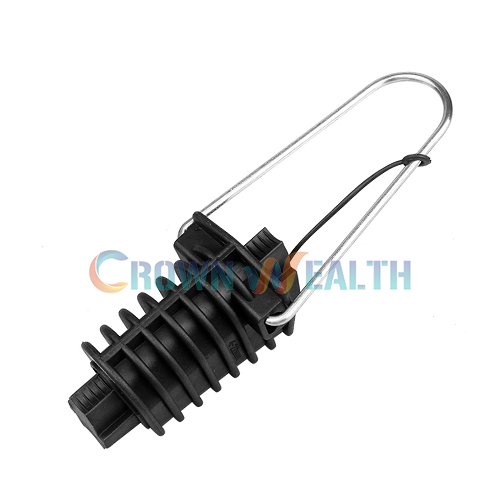
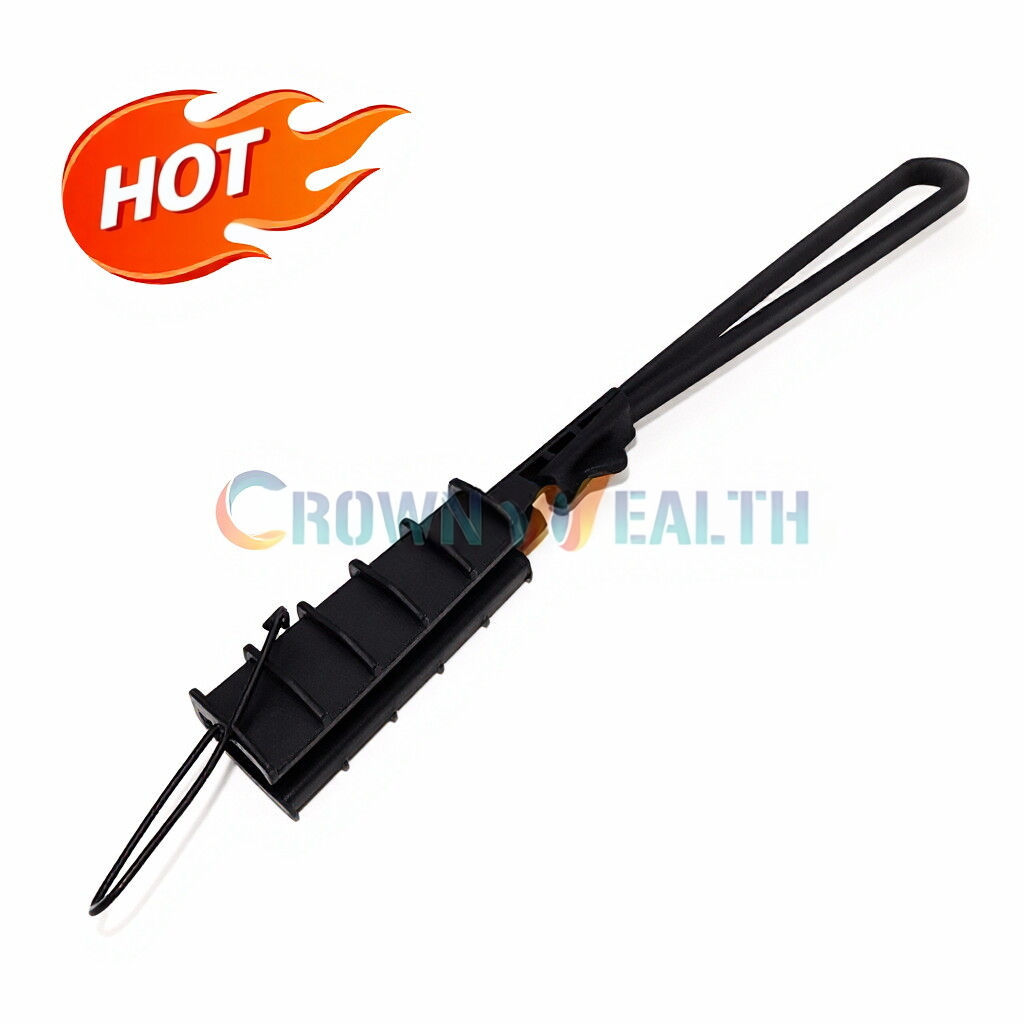
One important design aspect is the distance between conductive parts and the optical fibers. By increasing this distance, the risk of electrical breakdown and interference can be reduced. For example, in the design of OPGW Strain Clamps, the clamps are designed to securely hold the OPGW cable while maintaining a safe distance between the cable's conductive elements and the optical fibers.
Another design consideration is the use of insulation barriers. These barriers can be built into the fitting to prevent the flow of electrical current towards sensitive components. For instance, some OPGW fittings are equipped with insulating gaskets or sleeves that isolate the conductive parts from the surrounding environment.
Testing the Insulation Performance
To ensure the reliability of OPGW fittings, rigorous testing is required. There are several standard tests used to evaluate the insulation performance of these fittings.
One of the most common tests is the dielectric withstand test. In this test, a high - voltage is applied to the fitting for a specified period. The fitting should be able to withstand this voltage without any breakdown or significant leakage current. This test helps to identify any potential weaknesses in the insulation material or design.
The insulation resistance test is another important test. It measures the resistance of the insulation material to the flow of electrical current. A high insulation resistance indicates good insulation performance. By regularly conducting this test, we can monitor the condition of the insulation over time and detect any signs of degradation.
Partial discharge testing is also carried out to detect small electrical discharges that may occur within the insulation material. These partial discharges can cause long - term damage to the insulation and lead to premature failure of the fitting. By detecting and analyzing these discharges, we can take appropriate measures to prevent further damage.
Applications and the Need for Good Insulation
OPGW fittings are used in a wide range of applications, from urban power grids to remote rural areas. In urban areas, where power lines are densely packed and there is a high risk of electrical interference, good insulation performance is essential to ensure the smooth operation of optical communication systems.
In rural areas, OPGW cables are often used to provide high - speed internet access. The insulation performance of the fittings is crucial to protect the optical fibers from the harsh environmental conditions, such as lightning strikes and high - voltage surges.
Impact of Poor Insulation Performance
Poor insulation performance can have serious consequences for the OPGW system. Electrical interference can lead to signal loss, reduced data transmission speed, and even complete failure of the optical communication system. In addition, it can pose a safety hazard to maintenance workers and nearby residents.
For example, if the insulation in an OPGW Preformed Helical Tension Clamp fails, it can cause a short - circuit, which may result in damage to the OPGW cable and other associated equipment. This can lead to costly repairs and downtime.


Ensuring High - Quality Insulation in Our Products
As an OPGW fitting supplier, we are committed to providing products with excellent insulation performance. We use high - quality materials and advanced manufacturing processes to ensure the reliability of our fittings.
Our design team carefully considers all the factors related to insulation during the product development phase. We conduct extensive testing on our products to meet and exceed industry standards. This includes both in - house testing and third - party certification to ensure the quality and performance of our OPGW fittings.
Conclusion
In conclusion, the insulation performance of OPGW fittings is of utmost importance for the reliable operation of OPGW systems. The choice of materials, design considerations, and rigorous testing all contribute to ensuring that these fittings can withstand electrical stresses and protect the optical communication.
If you are in the market for high - quality OPGW fittings with excellent insulation performance, we are here to help. Our team of experts can provide you with detailed information about our products and assist you in selecting the right fittings for your specific needs. Whether you are working on a small - scale project or a large - scale power grid, we have the solutions to meet your requirements. Contact us today to start the procurement process and discuss how our OPGW fittings can enhance the performance of your optical communication system.
References
- IEEE standards for power and energy systems
- International Electrotechnical Commission (IEC) publications on optical fiber cable fittings
- Industry research reports on OPGW technology and applications