As a trusted supplier of armor rods, I've witnessed firsthand how these seemingly simple components can significantly influence the performance of equipment across various industries. In this blog, I'll delve into the intricate ways armor rods impact equipment functionality, reliability, and longevity.
Understanding Armor Rods
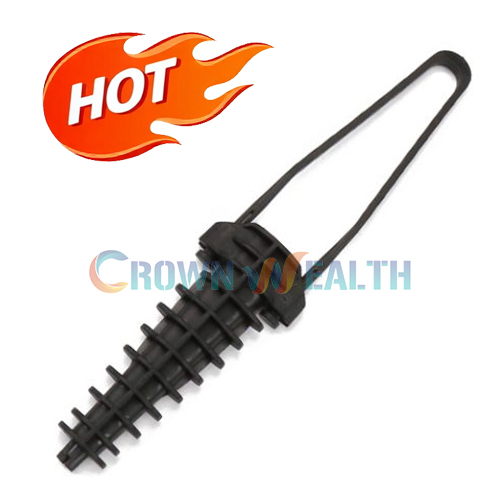
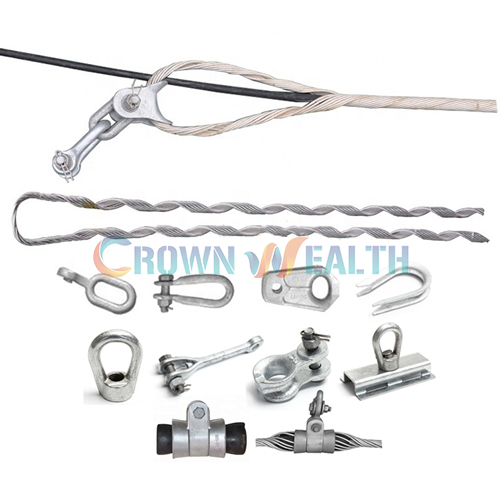
Armor rods are protective devices typically made of high - strength aluminum alloy or steel. They are helically wound around conductors or cables, serving as a shield against mechanical stresses, abrasion, and environmental factors. Their design allows for easy installation and provides continuous protection along the length of the conductor.
Enhancing Mechanical Strength
One of the primary ways armor rods affect equipment performance is by enhancing mechanical strength. When installed on overhead power lines, for example, conductors are constantly exposed to wind, ice, and the weight of the cable itself. These forces can cause fatigue and stress on the conductor, leading to breakage over time. Armor rods distribute the mechanical stress more evenly across the conductor, reducing the concentration of stress at any single point. This not only extends the lifespan of the conductor but also minimizes the risk of sudden failures.
In the case of underground cables, armor rods protect against damage from external forces such as digging or accidental impacts. They act as a tough outer layer that absorbs and disperses the energy from these impacts, preventing the cable's core from being damaged. This is crucial for maintaining the integrity of the electrical system and ensuring uninterrupted power supply.
Protecting Against Abrasion
Abrasion is another significant factor that can degrade the performance of equipment. When conductors or cables rub against each other or against support structures, the outer insulation can wear away, exposing the inner conductors. This can lead to short - circuits, power outages, and even safety hazards. Armor rods act as a sacrificial layer, taking the brunt of the abrasion instead of the conductor.
For example, in a telecommunications network, fiber optic cables are often installed in tight spaces where they may come into contact with other cables or equipment. Armor rods protect the delicate fiber optic strands from abrasion, ensuring that the signal transmission remains stable and reliable. This is especially important in high - speed data networks where even minor disruptions can have a significant impact on performance.
Mitigating Environmental Effects
Armor rods also play a crucial role in protecting equipment from environmental factors. In coastal areas, for instance, conductors are exposed to saltwater corrosion, which can weaken the metal and reduce its conductivity. Armor rods made of corrosion - resistant materials such as hot - dip galvanized steel can provide an extra layer of protection against saltwater and other corrosive substances.
Moreover, in areas with extreme temperatures, armor rods help to maintain the structural integrity of the conductors. In cold climates, ice and snow can accumulate on the conductors, increasing their weight and causing mechanical stress. Armor rods prevent the ice from directly adhering to the conductor, reducing the risk of ice - related damage. In hot climates, they can also help to dissipate heat, preventing the conductor from overheating and losing its electrical properties.


Improving Vibration Resistance
Vibration is a common problem in many equipment applications, especially in power transmission lines. Wind - induced vibrations can cause the conductors to oscillate, leading to fatigue and eventually failure. Armor rods can act as vibration dampers, reducing the amplitude of the vibrations and preventing them from causing damage to the conductor.
By reducing vibration, armor rods also minimize the noise generated by the conductors. This is particularly important in urban areas where the noise from power lines can be a nuisance to residents. Additionally, improved vibration resistance helps to maintain the stability of the electrical connection, ensuring a consistent power supply.
Compatibility with Other Equipment
Armor rods are designed to be compatible with a wide range of equipment and accessories. For example, they can be used in conjunction with [Hot Dip Galvanized Dampers](/protective - fitting/hot - dip - galvanized - dampers.html) to further enhance the vibration - damping capabilities of the system. These dampers work in tandem with armor rods to absorb and dissipate the energy from vibrations, providing a more comprehensive solution for protecting the conductors.
[Preormed Armor](/protective - fitting/preormed - armor.html) is another type of protective fitting that can be used alongside armor rods. Preormed armor provides additional protection against mechanical damage and is often used in areas where the conductors are more likely to be exposed to harsh conditions. The combination of armor rods and preormed armor offers a high - level of protection for the equipment.
[Helical Guy Grips](/protective - fitting/helical - guy - grips.html) are also important components in a power transmission system. They are used to secure the conductors and prevent them from sagging or moving. Armor rods can be used in conjunction with helical guy grips to ensure that the conductors are properly supported and protected.
Cost - Effectiveness
From a cost - effectiveness perspective, armor rods offer significant advantages. By extending the lifespan of the conductors and reducing the frequency of maintenance and replacement, they can save a considerable amount of money in the long run. The initial investment in armor rods is relatively small compared to the potential cost of repairing or replacing damaged conductors.
In addition, the improved performance of the equipment due to the use of armor rods can lead to increased productivity and reduced downtime. This is especially important in industries where continuous operation is critical, such as power generation and telecommunications.
Conclusion
In conclusion, armor rods have a profound impact on the performance of equipment. They enhance mechanical strength, protect against abrasion, mitigate environmental effects, improve vibration resistance, and are compatible with other equipment. Their cost - effectiveness makes them an essential component in many industries.
If you're looking to improve the performance and reliability of your equipment, consider incorporating armor rods into your system. Whether you're in the power transmission, telecommunications, or any other industry that relies on conductors and cables, our high - quality armor rods can provide the protection you need. Contact us today to discuss your specific requirements and start a procurement negotiation.
References
- "Power Transmission Line Design and Maintenance" - A comprehensive guide on power line components and their functions.
- "Telecommunications Cable Installation and Protection" - A resource on protecting fiber optic and other cables in a telecommunications network.
- "Materials Science for Electrical Equipment" - A book on the properties and applications of materials used in electrical equipment.