Hey there! As a supplier of link fittings, I've been in the industry for quite some time, and I often get asked about the strength of link fittings. So, I thought I'd take some time to share my insights on this topic.
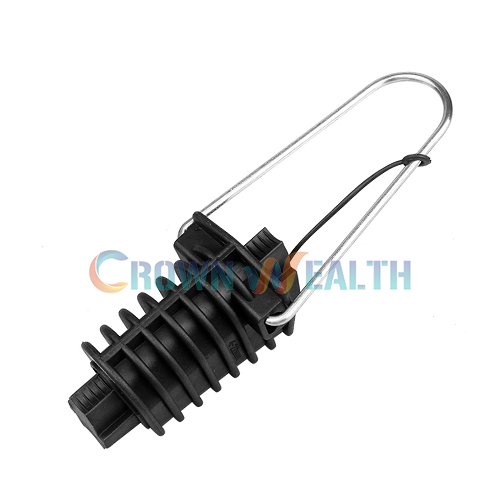
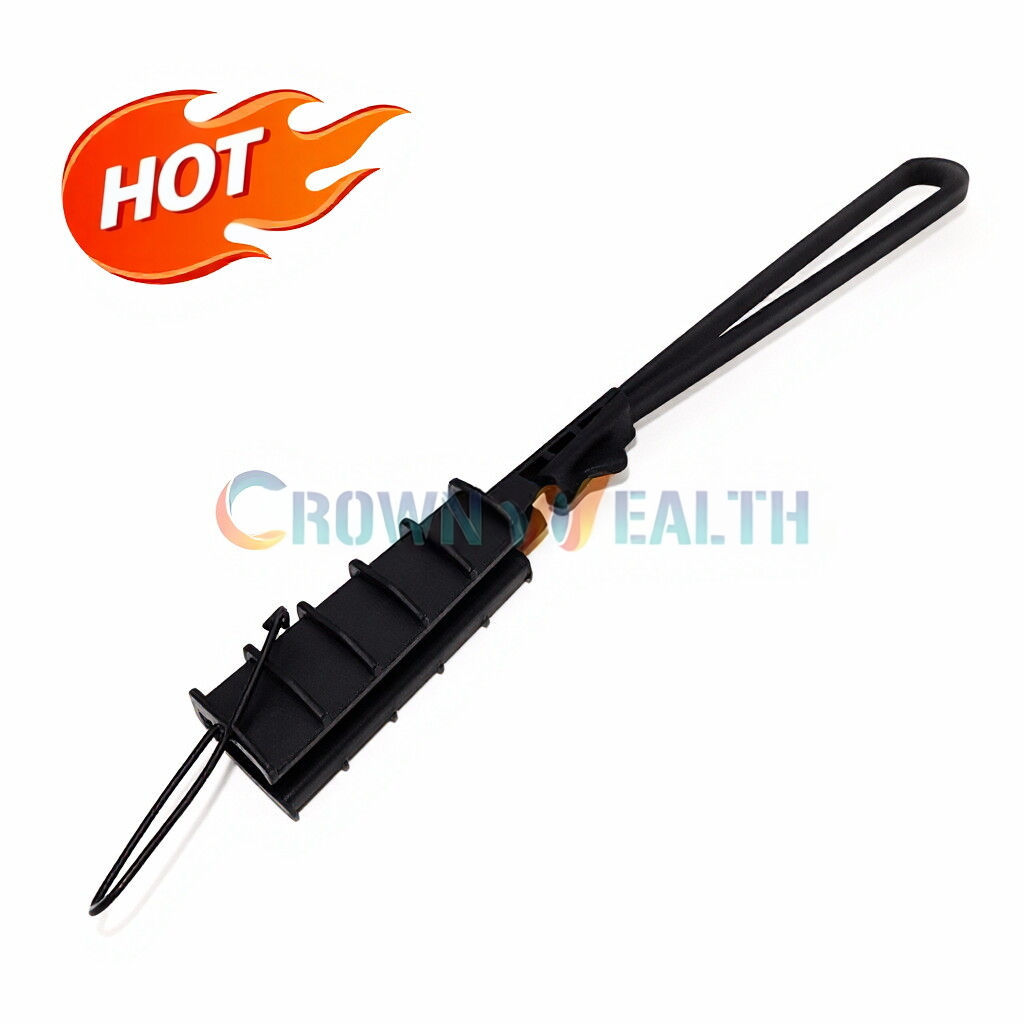
First off, let's talk about what link fittings are. Link fittings are essentially components used to connect different parts in various systems, like electrical power lines, mechanical structures, and even in some marine applications. They come in all shapes and sizes, each designed for a specific purpose.


One of the key aspects of link fittings is their strength. The strength of a link fitting is crucial because it determines how well it can withstand the forces applied to it. These forces can include tension, compression, shear, and sometimes a combination of them.
Tensile Strength
Tensile strength is probably the most well - known measure of a link fitting's strength. It refers to the maximum amount of tensile (pulling) force that a fitting can handle before it breaks. In applications like power lines, link fittings need to have high tensile strength to support the weight of the wires and withstand wind and other environmental forces.
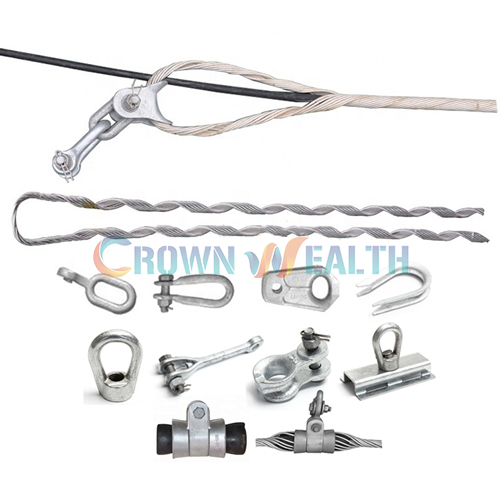
For example, our Ring Monoblock Forging is designed with excellent tensile strength. The monoblock forging process gives it a uniform and dense structure, which helps it resist high - pulling forces. This makes it ideal for use in situations where there's a lot of tension, such as in heavy - duty mechanical linkages or in some high - voltage power line connections.
Compressive Strength
Compressive strength is another important factor. It's the ability of a link fitting to withstand forces that try to squeeze or compress it. In some structures, like bridges or large industrial machinery, link fittings may be subjected to compressive forces.
Our YLP Type Extension Rod is engineered to have good compressive strength. Its design and the materials used ensure that it can handle the compression forces without deforming or failing. This is especially important when the rod is used to connect parts that are under a lot of pressure.
Shear Strength
Shear strength is about the fitting's ability to resist forces that act parallel to its cross - section. In simple terms, it's like when you try to cut something with a pair of scissors. In many mechanical systems, link fittings are exposed to shear forces.
The Preformed Ground Wire Tension Set Clamp has been designed with shear strength in mind. When it's used to secure ground wires, it needs to be able to resist the shear forces that might occur due to vibrations or movements in the wire.
Factors Affecting the Strength of Link Fittings
There are several factors that can affect the strength of link fittings. One of the most important is the material. We use high - quality materials in our link fittings, such as steel alloys. Different steel alloys have different properties, and we choose the ones that are best suited for the specific application of the fitting.
The manufacturing process also plays a big role. For example, forging, as we use in our Ring Monoblock Forging, can improve the strength of the fitting by aligning the grain structure of the metal. Machining processes need to be precise to ensure that the fitting has the right dimensions and tolerances, which can also impact its strength.
Heat treatment is another factor. By subjecting the fitting to specific heat - treatment processes, we can enhance its hardness, toughness, and overall strength. This is a carefully controlled process that we've refined over the years to get the best results for our customers.
Testing the Strength of Link Fittings
We don't just rely on theoretical calculations when it comes to the strength of our link fittings. We conduct a series of tests to ensure that they meet or exceed the required standards.
Tensile testing is one of the most common tests. We use specialized equipment to apply a gradually increasing tensile force to the fitting until it breaks. This gives us accurate data on its tensile strength.
Compression testing is similar, but instead of pulling, we apply a compressive force. Shear testing is also carried out using equipment that can simulate the shear forces the fitting might experience in real - world applications.
Real - World Applications and the Importance of Strength
In the electrical power industry, the strength of link fittings is critical. Power lines need to be reliable, and any failure of a link fitting can lead to power outages, which can have a huge impact on businesses and households. Our high - strength link fittings ensure that the power lines can operate safely and efficiently.
In the mechanical engineering field, link fittings are used in everything from small machines to large industrial equipment. A weak link fitting in a machine can cause malfunctions, breakdowns, and even pose a safety risk to the operators. That's why our strong link fittings are so important in this industry.
Why Choose Our Link Fittings?
As a supplier, we're committed to providing the highest - quality link fittings. Our focus on strength is just one aspect of our commitment. We also offer a wide range of products to meet different customer needs. Whether you need a simple link fitting for a small project or a complex one for a large - scale application, we've got you covered.
Our team of experts is always ready to help you choose the right link fitting for your specific requirements. We can provide technical support and advice to ensure that you get the best product for your money.
If you're in the market for link fittings, I encourage you to get in touch with us. We can discuss your project in detail, and I'm confident that we can find the perfect link fitting solution for you. Whether it's for a new installation or a replacement part, our high - strength link fittings will meet your expectations.
So, if you're looking for reliable, strong link fittings, don't hesitate to reach out. Let's start a conversation and see how we can work together to make your project a success.
References
- ASME Boiler and Pressure Vessel Code, Section VIII, Division 1
- ASTM Standards for Metal Fittings
- IEEE Standards for Electrical Power Transmission and Distribution Fittings