In the realm of industrial and practical applications, armor rods have long been recognized for their utility in safeguarding electrical conductors and related infrastructure. However, an emerging question that has piqued the interest of many is whether armor rods are suitable for furniture protection. As a supplier of armor rods, I am well - versed in the properties and potential uses of these products, and in this blog, I will delve into this topic to provide a comprehensive analysis.
Understanding Armor Rods
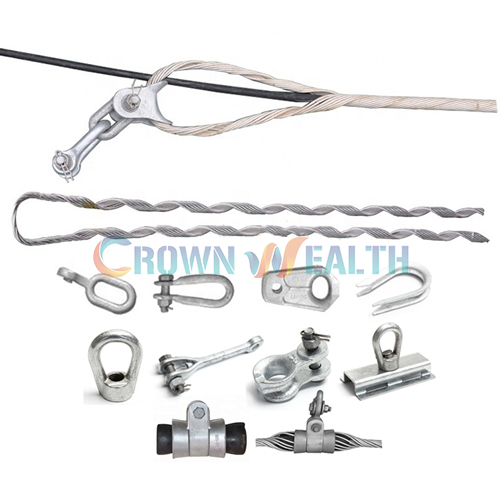
Armor rods are pre - formed helical rods typically made from materials such as aluminum alloy or steel. They are designed to be wrapped around conductors, such as overhead power lines, to protect them from mechanical damage, vibration, and corrosion. The pre - formed shape allows for easy installation and a snug fit around the conductor, providing a continuous layer of protection. For more information on preformed armor rods for conductor repair, you can visit [Preformed Armor Rods for Conductor Repair](/protective - fitting/preformed - armor - rods - for - conductor - repair.html).
The key features of armor rods include high strength, flexibility, and durability. These properties make them ideal for applications where the protected object is exposed to harsh environmental conditions or mechanical stress. For example, in high - wind areas, armor rods can prevent conductors from breaking due to excessive vibration. In coastal regions, they can resist the corrosive effects of saltwater.


Potential Benefits of Using Armor Rods for Furniture Protection
When considering furniture protection, armor rods may offer several potential benefits.
1. Impact Resistance
One of the primary threats to furniture is physical impact. Whether it's a chair being bumped into a wall or a table being scratched by a sharp object, these impacts can cause significant damage. Armor rods, with their high - strength materials, can absorb and distribute the force of an impact, reducing the likelihood of damage to the furniture. For instance, if a metal armor rod is attached to the edges of a wooden table, it can act as a buffer, preventing the wood from chipping or splitting upon impact.
2. Vibration Damping
In some environments, furniture may be exposed to vibrations. For example, in a building near a busy road or a factory, vibrations can cause joints in furniture to loosen over time, leading to structural instability. Armor rods can help dampen these vibrations. Their helical shape and flexibility allow them to absorb and dissipate vibrational energy, much like the way they protect electrical conductors from vibration - induced damage. Similar to how [Hot Dip Galvanized Dampers](/protective - fitting/hot - dip - galvanized - dampers.html) are used to reduce vibrations in power lines, armor rods can serve a similar purpose for furniture.
3. Aesthetic Appeal
In addition to their functional benefits, armor rods can also add an interesting aesthetic element to furniture. Their unique helical shape can create a modern and industrial look. Designers could incorporate armor rods into the design of furniture, such as using them as decorative elements on the legs of a chair or as a part of a table's frame. This not only provides protection but also gives the furniture a distinctive and eye - catching appearance.
Limitations of Using Armor Rods for Furniture Protection
While there are potential benefits, there are also several limitations to consider when using armor rods for furniture protection.
1. Compatibility with Furniture Materials
Armor rods are typically designed for use with conductors made of metal or other rigid materials. Furniture, on the other hand, can be made from a wide variety of materials, including wood, plastic, and fabric. The installation of armor rods may not be compatible with all furniture materials. For example, attaching metal armor rods to a delicate fabric - covered chair may cause damage to the fabric during installation. Additionally, the different expansion and contraction rates of armor rods and some furniture materials due to temperature and humidity changes could lead to long - term issues, such as warping or detachment.
2. Cost
Armor rods are manufactured to meet specific industrial standards, which often means they come at a certain cost. For furniture protection, the cost of purchasing and installing armor rods may be relatively high compared to other more traditional furniture protection methods, such as using felt pads or corner protectors. This cost factor may make armor rods less attractive to consumers, especially for low - cost or mass - produced furniture.
3. Installation Complexity
Installing armor rods on furniture is not as straightforward as it may seem. Unlike their use on electrical conductors, where the shape and structure are relatively uniform, furniture comes in various shapes and sizes. Proper installation requires careful measurement, cutting, and fitting of the armor rods. This may require specialized tools and skills, which could be a deterrent for consumers who prefer a do - it - yourself approach to furniture protection.
Case Studies and Real - World Examples
To better understand the practicality of using armor rods for furniture protection, let's look at some case studies.
In a high - end restaurant, the management decided to use armor rods on the edges of their wooden tables to protect them from the constant wear and tear caused by customers pushing chairs in and out. The armor rods were carefully installed by a professional, and over a period of six months, there was a noticeable reduction in the amount of damage to the table edges. However, the installation process was time - consuming and costly, and the management had to consider whether the long - term savings in furniture repair costs justified the initial investment.
In another example, a furniture designer incorporated armor rods into the design of a modern - style coffee table. The armor rods were used as part of the table's frame, providing both structural support and a unique aesthetic. While the table received positive feedback for its appearance, some customers were concerned about the potential for the armor rods to scratch other surfaces if the table was moved.
Conclusion
In conclusion, armor rods have the potential to be used for furniture protection, offering benefits such as impact resistance, vibration damping, and aesthetic appeal. However, there are also significant limitations, including compatibility issues with furniture materials, cost, and installation complexity. Whether armor rods are suitable for furniture protection depends on various factors, such as the type of furniture, the intended use environment, and the budget of the consumer.
As a supplier of armor rods, I understand that every customer's needs are unique. If you are interested in exploring the possibility of using armor rods for furniture protection or have any questions about our products, I encourage you to contact us for a detailed discussion. We can provide you with more information on the different types of armor rods available, their properties, and how they can be customized to meet your specific requirements. Additionally, if you are in need of other protective fittings such as [Hot Dip Galvanized Dampers](/protective - fitting/hot - dip - galvanized - dampers.html) or [Dead End Guy Grips](/protective - fitting/dead - end - guy - grips.html), we can also assist you with those.
References
- Textbooks on electrical engineering for the properties and applications of armor rods in the electrical industry.
- Industry reports on furniture protection methods and emerging trends.
- Case study data collected from real - world applications of armor rods on furniture.