What is the cost of a vibration damper? Well, that's a question I get asked a lot as a vibration damper supplier. In this blog post, I'm gonna break down the factors that affect the cost of vibration dampers and give you a better understanding of what you're paying for.
Understanding Vibration Dampers
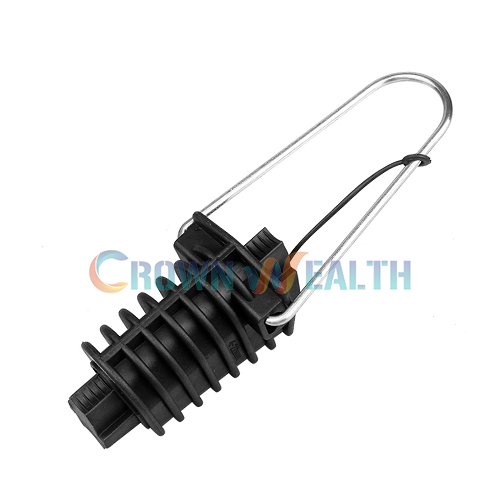
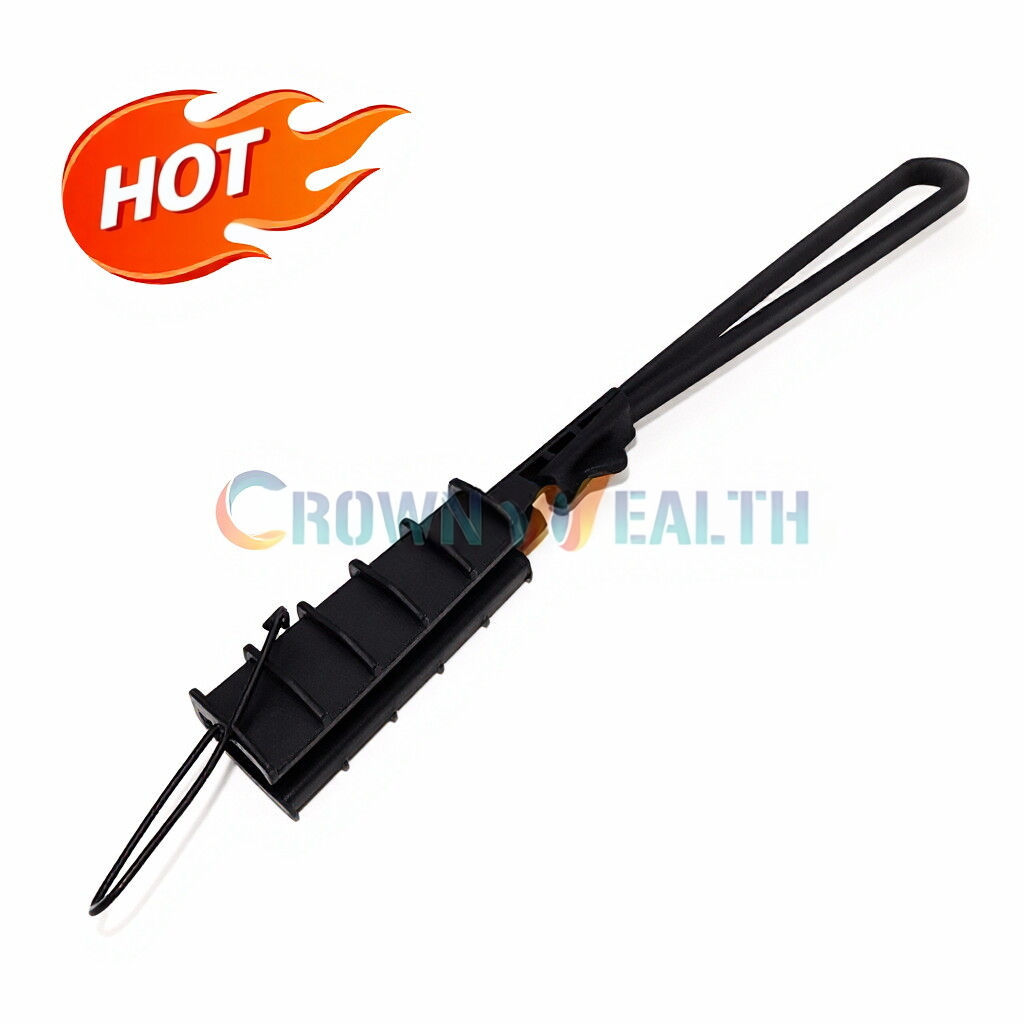
First off, let's quickly talk about what vibration dampers are and what they do. Vibration dampers are devices used to reduce or eliminate vibrations in various systems. They're commonly used in overhead power lines, industrial machinery, and even in some automotive applications. By reducing vibrations, they help extend the lifespan of equipment, improve performance, and enhance safety.
Factors Affecting the Cost
Material
One of the biggest factors that influence the cost of a vibration damper is the material it's made from. Different materials have different properties, and these properties can significantly impact the damper's performance and price.
For example, some vibration dampers are made from high - strength steel. Steel is durable and can withstand a lot of stress, making it suitable for heavy - duty applications. However, high - quality steel can be quite expensive, which drives up the cost of the damper.
On the other hand, there are dampers made from composite materials. Composites are often lighter and can offer good vibration - damping properties. They may also be more resistant to corrosion. But the manufacturing process for composites can be complex, and the raw materials can be costly, so these dampers can also be on the pricier side.
Design and Complexity
The design of a vibration damper also plays a crucial role in determining its cost. Simple, standard designs are generally less expensive to produce. These dampers are mass - produced and can be made using relatively straightforward manufacturing processes.
However, if you need a custom - designed vibration damper, the cost will go up. Custom designs require more engineering work, specialized tooling, and often more testing. For instance, if you have a unique application where the damper needs to fit into a specific space or meet certain performance criteria, the supplier will have to invest more time and resources into developing the right design.
Size and Capacity
The size and capacity of the vibration damper are important cost factors as well. Larger dampers typically require more material, which increases the cost. Additionally, dampers with higher capacities, meaning they can handle more vibration energy, often have more advanced internal components and construction.
For example, in overhead power lines, larger vibration dampers are needed for higher - voltage lines or lines with longer spans. These dampers need to be able to dissipate more energy to protect the conductors from fatigue caused by wind - induced vibrations. As a result, they are more expensive than smaller dampers used in lower - voltage or shorter - span applications.
Cost Range
The cost of vibration dampers can vary widely depending on the factors mentioned above. A basic, small - sized vibration damper for a relatively simple application might cost anywhere from $10 to $50. These are often the standard, off - the - shelf models that are mass - produced.
For medium - sized dampers with more advanced features or made from better materials, the cost can range from $50 to $200. These dampers are commonly used in industrial machinery or mid - voltage power lines.
On the high end, custom - designed, large - scale vibration dampers for specialized applications can cost several hundred dollars or even more. These might be used in high - voltage power transmission lines or in critical industrial processes where precise vibration control is essential.


Additional Products in the Vibration Control Family
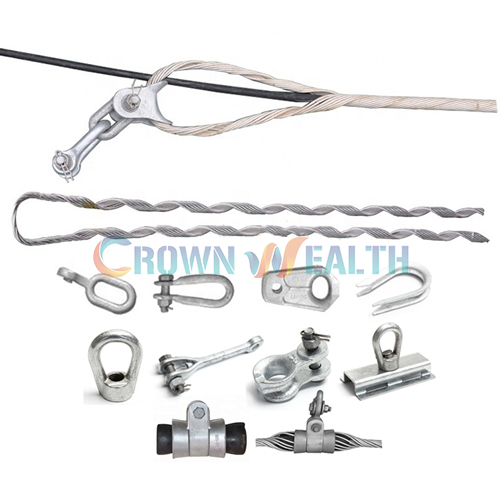
When it comes to vibration control and overhead line accessories, there are other products that are often used in conjunction with vibration dampers. For example, Preformed Guy Grips are used to secure guy wires, which help support overhead power lines. They are an important part of the overall stability of the line and can also contribute to reducing vibrations indirectly.
Another useful product is the Preformed Conductor Tension Set. These sets are used to adjust the tension in conductors, which is crucial for proper operation and vibration control. By maintaining the right tension, the conductors are less likely to experience excessive vibrations.
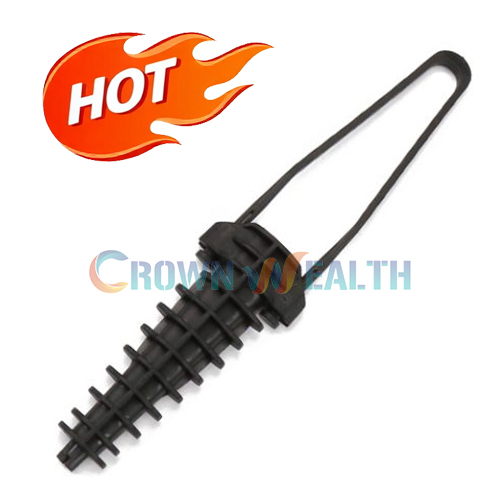
And let's not forget about the Overhead Line Accessories Preformed Dead End Clamp Guy Grip for Cable. This type of clamp is used to terminate cables and provide a secure connection. It helps in maintaining the integrity of the overhead line system and can also play a role in vibration management.
Is the Cost Worth It?
You might be wondering if the cost of a vibration damper is really worth it. The answer is usually yes. By investing in a high - quality vibration damper, you can save a lot of money in the long run.
In industrial applications, reducing vibrations can prevent equipment breakdowns. When machinery vibrates excessively, it can cause wear and tear on components, leading to premature failure. This means costly repairs and downtime. A vibration damper can help extend the lifespan of the equipment and keep it running smoothly.
In overhead power lines, vibration dampers protect the conductors from fatigue. Fatigue can lead to conductor breakage, which is a serious safety hazard and can also result in power outages. By preventing conductor breakage, vibration dampers help ensure reliable power supply and reduce maintenance costs.
Contact for Purchase and Negotiation
If you're in the market for vibration dampers or any of the related products I mentioned above, I'd love to talk to you. Whether you need a standard off - the - shelf damper or a custom - designed solution, I can help you find the right product at the right price. Don't hesitate to reach out to start the conversation about your specific needs and requirements.
References
- "Vibration Control in Engineering" - A textbook on vibration control principles and applications.
- Industry reports on the manufacturing and pricing of vibration dampers.