Hey there! As a supplier of vibration dampers, I've seen my fair share of damper failures over the years. It's always a bummer when these crucial components stop doing their job, but understanding the common causes can help us prevent future issues. So, let's dive right in and take a look at what might be going wrong with your vibration dampers.
1. Material Fatigue
One of the most common culprits behind vibration damper failure is material fatigue. You see, these dampers are constantly subjected to cyclic loading, which means they're getting hit with repeated forces over and over again. Over time, this can cause tiny cracks to form in the damper's material. These cracks start small, but they can grow and spread, eventually leading to a complete failure of the damper.
The type of material used in the damper plays a big role here. If it's not of high quality or isn't suitable for the specific application, it'll be more prone to fatigue. For example, some cheaper materials might not have the right strength or flexibility to withstand the constant vibrations. That's why we always make sure to use top - notch materials in our vibration dampers to give them the best chance of a long and healthy life.
2. Environmental Factors
The environment where the vibration damper is installed can have a huge impact on its performance. Extreme temperatures are a major issue. In really hot conditions, the material of the damper can expand and become softer. This can reduce its ability to absorb vibrations effectively. On the other hand, in freezing temperatures, the material can become brittle and more likely to crack.
Humidity is another factor. High humidity can lead to corrosion, especially if the damper isn't properly protected. Corrosion weakens the structure of the damper, making it more likely to fail. And let's not forget about exposure to chemicals or pollutants. In industrial areas or near the coast, the damper might be exposed to corrosive substances that can eat away at the material.
3. Improper Installation
You know what they say, "If it ain't installed right, it ain't gonna work right." And that's definitely true for vibration dampers. If the damper isn't installed correctly, it won't be able to function as it should. For example, if it's not properly aligned with the vibrating component, it won't absorb the vibrations effectively. This can lead to uneven stress on the damper, which can cause premature failure.
Another common installation mistake is using the wrong mounting hardware. If the bolts or brackets aren't the right size or strength, they might not hold the damper securely in place. This can cause the damper to move around, which can damage it and reduce its effectiveness. That's why we always provide detailed installation instructions with our products and offer support to make sure everything goes smoothly.
4. Overloading
Sometimes, vibration dampers are asked to do more than they're designed for. Overloading can happen if the damper is installed in a system with higher vibration levels than it was rated for. This can put excessive stress on the damper, causing it to wear out faster. For instance, if a damper is designed for a certain range of frequencies and amplitudes, and it's exposed to vibrations outside of that range, it can lead to failure.
It's important to choose the right damper for the job. That's where our expertise comes in. We can help you select the perfect vibration damper based on your specific needs, ensuring that it can handle the load without any issues.

5. Lack of Maintenance
Just like any other piece of equipment, vibration dampers need regular maintenance. If they're not inspected and serviced regularly, small problems can turn into big ones. For example, a small crack in the damper might go unnoticed, but over time, it can grow and cause the damper to fail.

Regular maintenance includes checking for signs of wear and tear, such as cracks, corrosion, or loose parts. It also involves cleaning the damper to remove any dirt or debris that might affect its performance. And if any parts are damaged, they should be replaced promptly.
Related Products
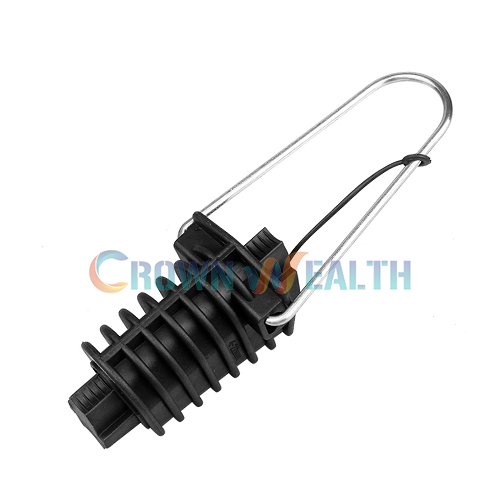
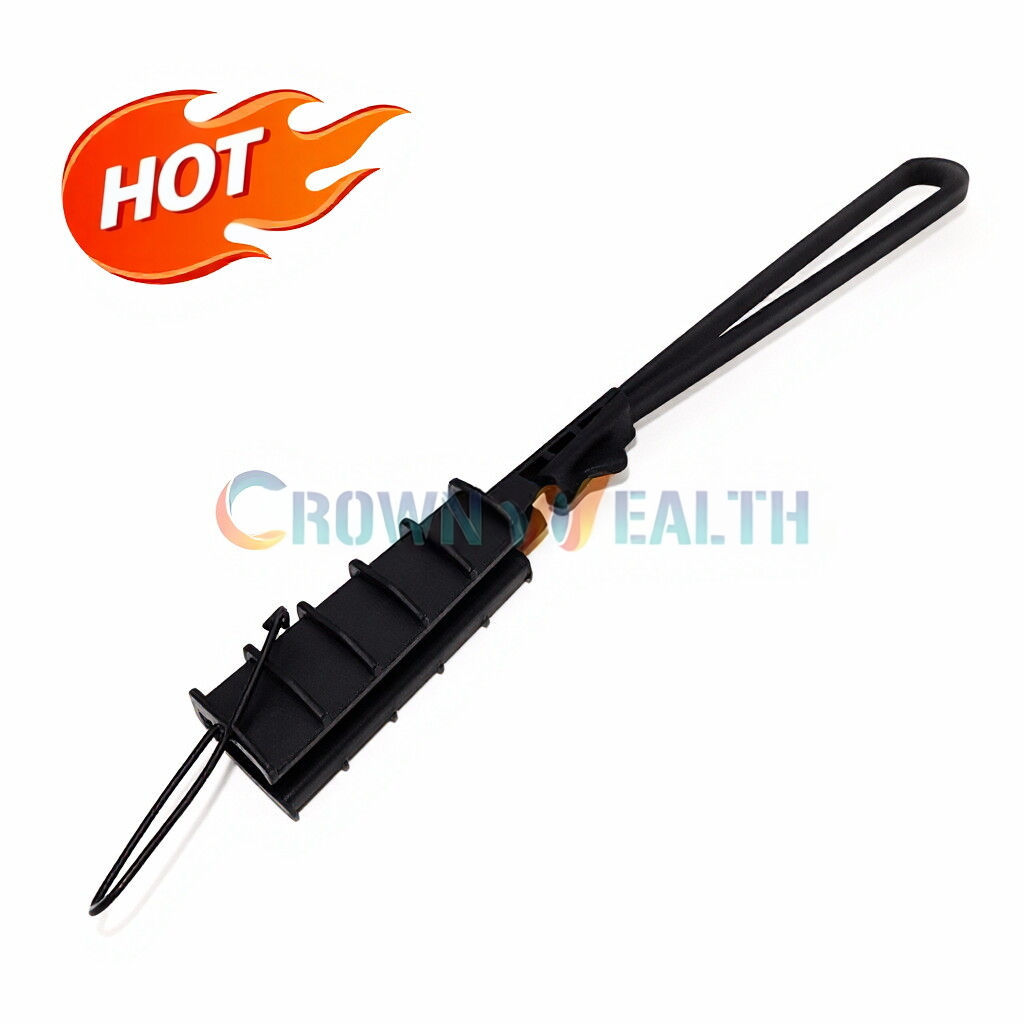
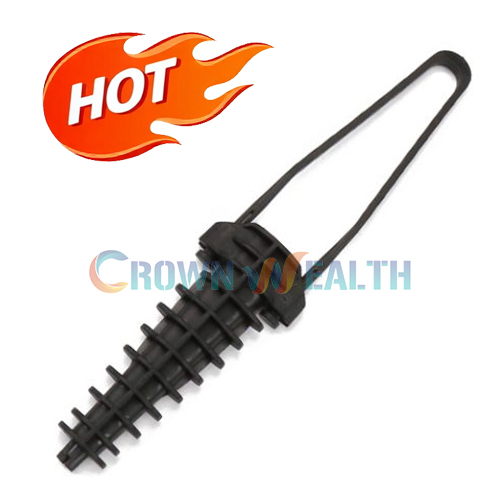
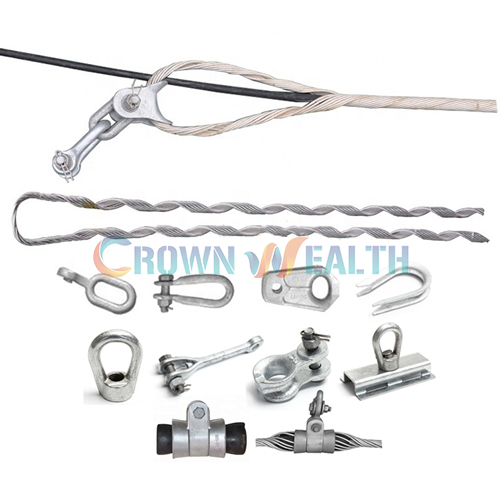
When it comes to ensuring the proper functioning of your electrical systems along with vibration dampers, we also offer a range of related products. Check out our Dead End Guy Grips, Overhead Line Accessories Preformed Dead End Clamp Guy Grip for Cable, and Preformed Dead End Guy Grips. These products are designed to work in harmony with your vibration dampers and other electrical components.
Conclusion
So, there you have it – the common causes of vibration damper failure. By being aware of these issues, you can take steps to prevent them and ensure that your vibration dampers last as long as possible. Whether it's choosing the right material, installing the damper correctly, or maintaining it regularly, every little bit helps.
If you're in the market for high - quality vibration dampers or need advice on how to keep them in top shape, don't hesitate to get in touch. We're here to help you find the best solutions for your needs. Let's work together to make sure your systems run smoothly and efficiently.
References
- Machinery's Handbook: A comprehensive guide to mechanical engineering and manufacturing, which provides in - depth information on vibration and material properties.
- ASTM International Standards: These standards offer guidelines on material testing and product performance, which are relevant to vibration dampers.