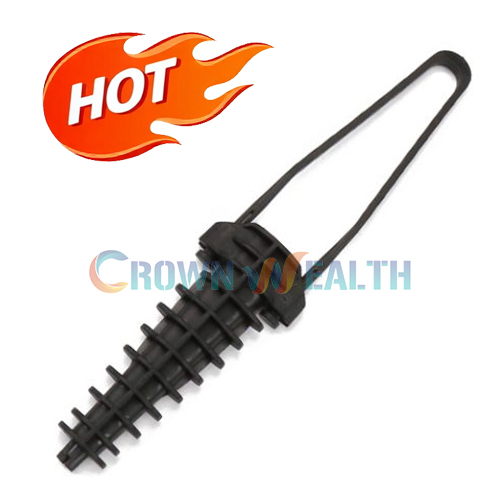
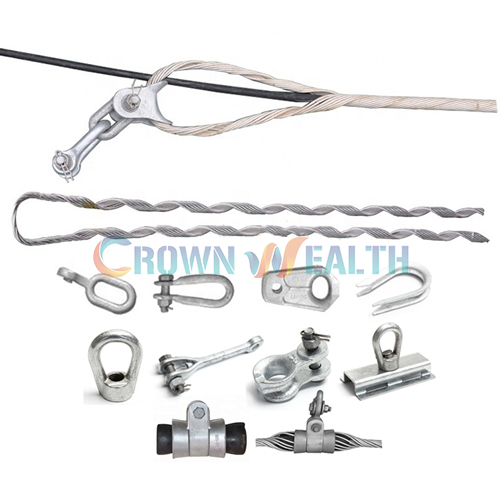
When constructing modern fiber optic networks, particularly Self-Supporting Aerial Fiber (ADSS) or figure-8 cables, selecting the right hardware is critical for long-term reliability. Among the most vital components in the installer’s toolkit are tension clamps (also known as anchor clamps). These devices are the ideal assistant for securing fiber optic lines to building facades, poles, and other support structures.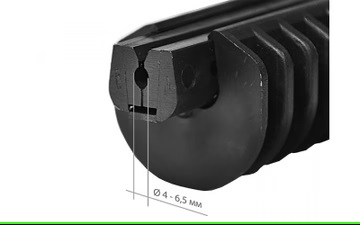
What Are Tension Clamps?
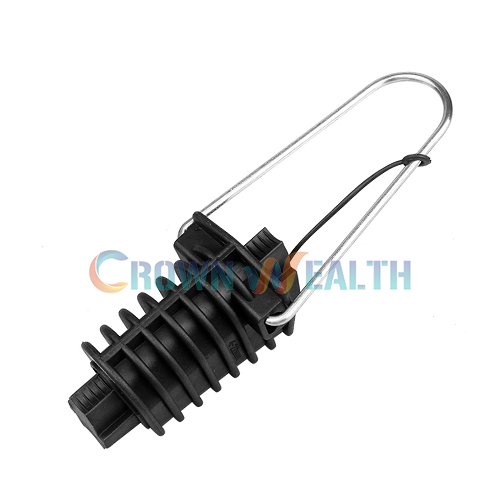
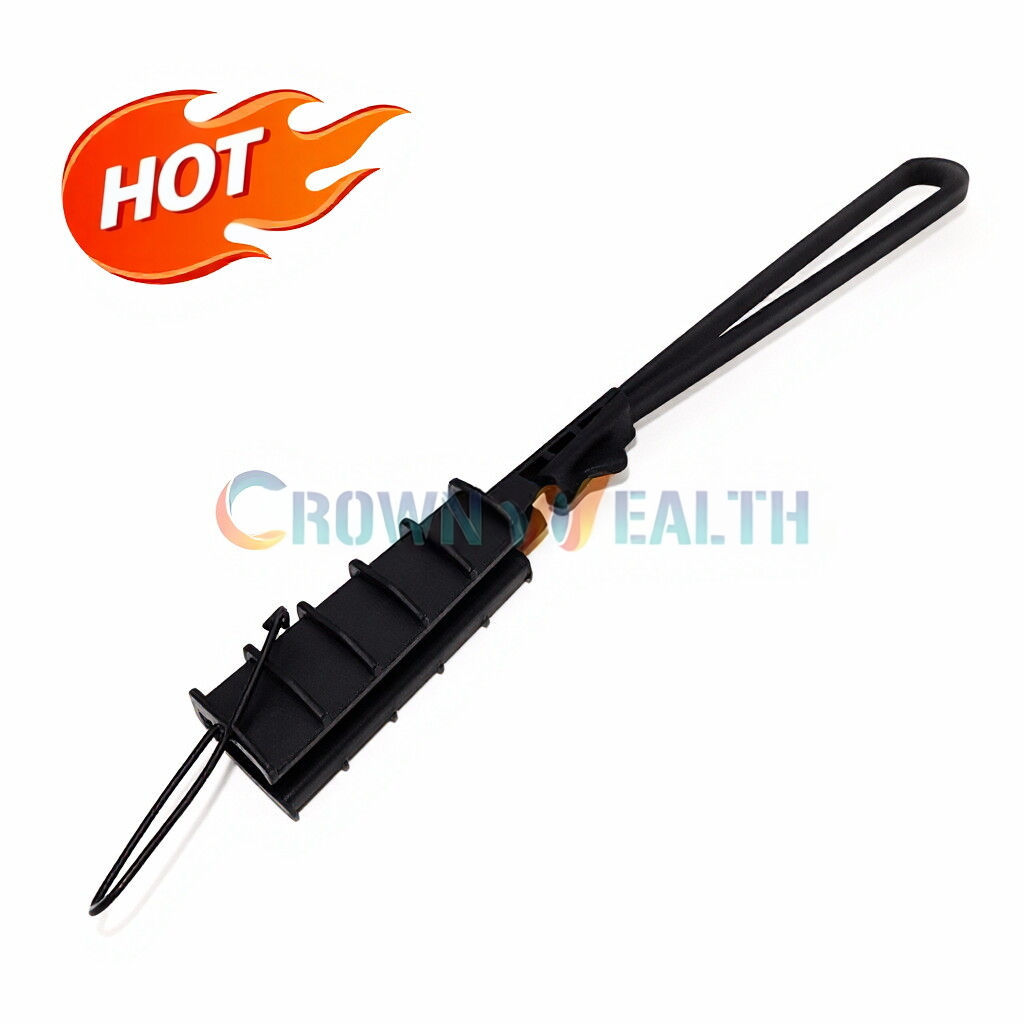
Tension clamps are a universal set of devices designed for fixing wires to anchor supports, connecting consumers, and routing lines. They are essential when transitioning from a high-voltage non-insulated line to a self-supporting fiber cable, or when making entries into buildings. During installation and operation, the choice of high-quality fittings—especially cable clamps—is paramount to ensuring network integrity.
Function and Performance Standards
These clamps are specifically engineered to fasten cables to the tension suspensions of anchor-angle supports. Their primary function is to withstand the static and dynamic loads exerted on the cable under various environmental conditions, such as cold snaps or wet weather.
Key performance requirements include:
-
High Strength: The clamp must ensure a termination strength of at least 90% of the calculated breaking strength of the cable itself.
-
Reliable Electrical Contact: For applications involving metallic elements, the clamp must provide stable electrical continuity. In designs where the messenger wire is cut, the relative resistance of the electrical contact should ideally not exceed unity (1:1 ratio compared to the wire itself).
Design and Materials: Built to Last
Modern tension clamps are designed to be robust, weather-resistant, and durable. A typical high-quality clamp features a body constructed from high-strength engineering plastics or aluminum alloy. This ensures the device is both lightweight and sturdy while resisting corrosion over time.
A key advantage of advanced clamp designs is their ease of use. Many models allow for the secure fastening of wires without the need to strip or detach the messenger strand, preserving the structural integrity of the cable.
How Wedge-Type Tension Clamps Work
The operational principle of a typical wedge-type tension clamp is elegantly simple yet highly effective:
-
Insertion: The messenger wire (or the steel reinforcement within the fiber cable) is placed into the movable part of the clamp, positioned between internal wedges.
-
Tensioning: When a tensile load is applied to the cable, it pulls the wedges into a conical recess within the clamp body.
-
Locking: As the wedges move toward the narrowing end of the recess, they grip the cable tighter, creating a powerful and secure hold. The clamp assembly is then attached to a stainless-steel bracket mounted on the pole or wall.
Choosing the Right Clamp
While the working principle remains consistent, designs vary based on application needs. The main parameters to consider when selecting a tension clamp are:
-
Cable Diameter: Ensuring the clamp size matches the cable dimensions is crucial for a proper grip.
-
Maximum Tension Force: The clamp must be rated for the expected load.
-
Material Composition: Options typically include UV-resistant polymers or metal alloys.
-
Loop Size: The size of the attachment eye or thimble varies depending on the pole hardware used.
Specialized designs feature reinforced surfaces on the movable inserts, which are specifically intended to protect delicate fiber optic cables from damage during clamping. These products are ideal for creating communication lines spanning distances of up to 70 meters between walls, buildings, or poles.
Conclusion
For any fiber optic deployment, investing in reliable, high-performance tension clamps is non-negotiable. They provide the security, durability, and weather resistance needed to keep networks running smoothly for years to come.
[Call to Action] Explore our comprehensive online catalog to find the perfect tension clamps and accessories for your next project. Order today and ensure your network is built on a foundation of quality.