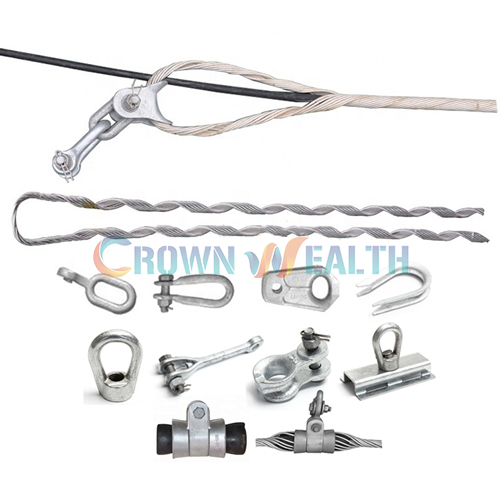
The immense electricity demands of modern civilization are intrinsically linked to the need for efficient long-distance transmission. Among the most practical methods for energy distribution is overhead lines, yet this system exposes conductors to harsh atmospheric elements—rain, wind, snow accumulation, ice formation, and intense ultraviolet radiation. To combat these destructive forces, robust cable fittings were engineered to simplify the installation and maintenance of power lines. Central to this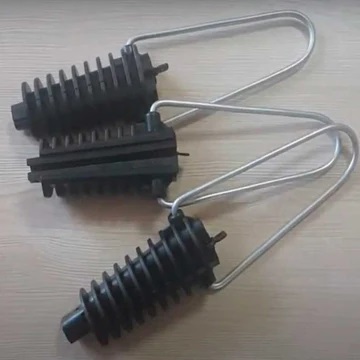 hardware are clamps.
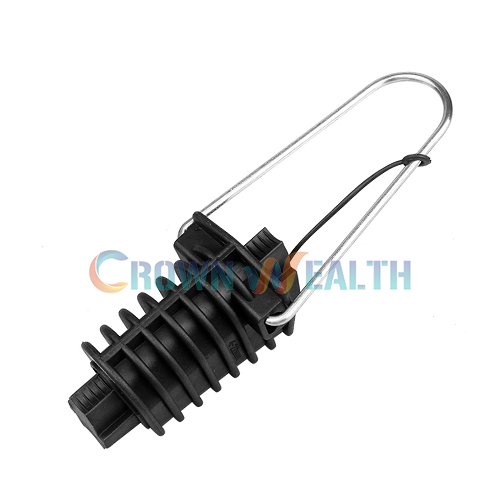
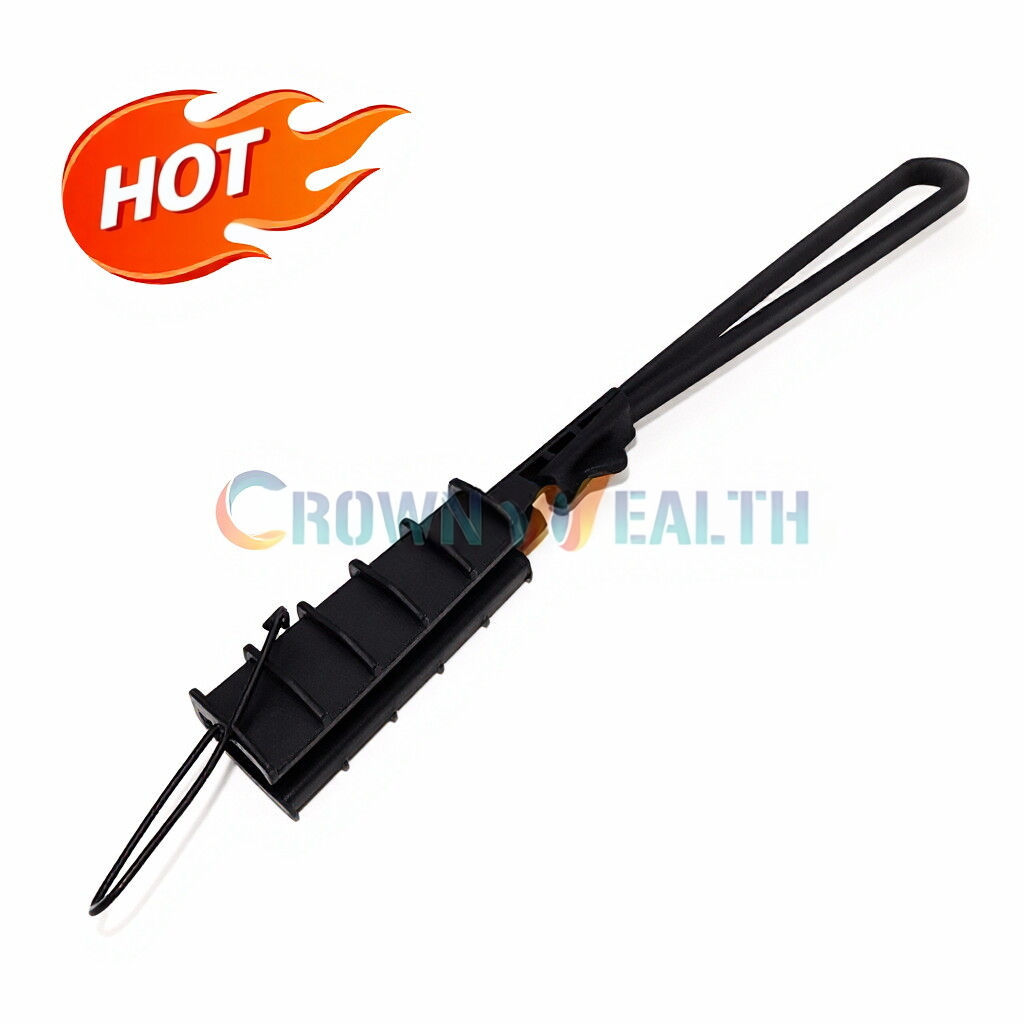
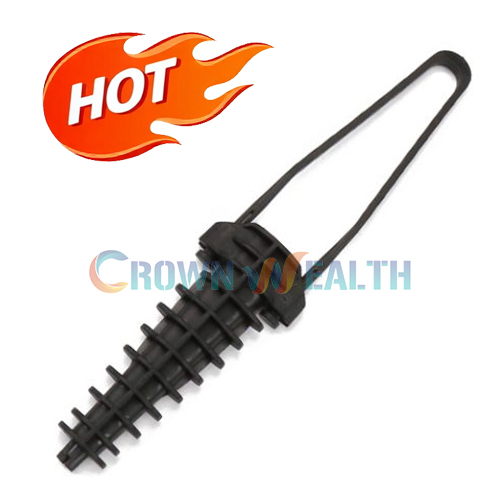
On our website, you can explore the specifications of Wedge-Type Tension Clamps (also known as Anchor Clamps).
Primary Function and Design
The core purpose of these clamps is to securely fix self-supporting insulated wires of various types. They are essential for suspending conductors from poles, building walls, or other structural surfaces.
A key feature of these clamps is their versatility, making them suitable for both main highways and branch lines constructed with self-supporting insulated conductors. The body of the clamp is typically manufactured from cold-resistant polymer materials specifically formulated to resist degradation from solar UV radiation. Furthermore, the internal wedge design ensures optimal tension on the conductor while protecting the integrity of the insulation, preventing damage during installation and operation.
How Many Clamps Are Required on Average?
The quantity of clamps required depends directly on the span length of the cable run:
-
For Short Spans (Up to 25 meters): Two anchor clamps are generally sufficient. One is attached to a hook on the support pole, and the second is fixed to a hook on the building facade.
-
For Long Spans (Exceeding 25 meters): An intermediate support must be installed 25–50 meters from the building. For this scenario, there are two standard solutions:
-
Hybrid Setup: Install anchor clamps at the beginning and end of the line (on the main support and the building), and place a supporting clamp at the midpoint on the additional support.
-
Full Anchor Setup: Utilize four anchoring clamps—two between the main support and the additional support, and two more between the additional support and the building.
-
In summary, a high-quality transmission line installation typically requires a minimum of 2 to 4 clamps. This seemingly minor and cost-effective component plays a vital role in securely fixing the cable and significantly extending its operational lifespan.
You can browse all points of interest in the online catalogs on our site. Choose only the highest quality clamps. Contact us today for expert consultation and to place your order.