The global rollout of 5G, FTTH (Fiber to the Home), and high-speed data centers has made fiber optic networks more critical than ever. While much attention is given to cables and connectors, fiber optic cable clamps are the unsung heroes that ensure network longevity, stability, and performance.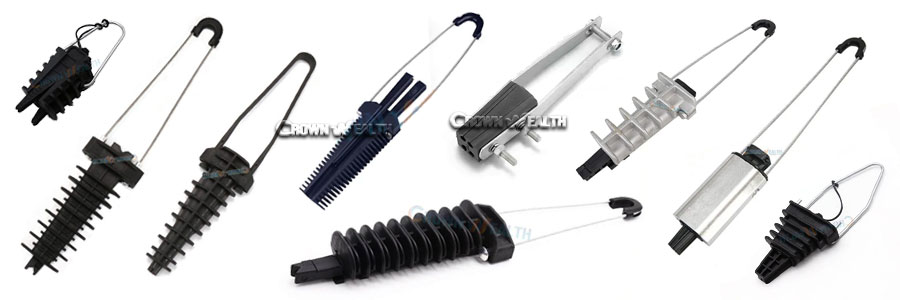
Choosing the wrong clamp can lead to signal loss, physical damage, or even complete network failure. This guide provides network installers and project managers with an updated overview of fiber clamp types in 2026, their specific applications, and best practices for selection—featuring insights from industry leader Crown Wealth.
Why Fiber Optic Cable Clamps Matter
Fiber optic cables are lightweight and fragile compared to copper. They require specialized support hardware to:
-
Prevent excessive bending or tensile stress
-
Protect fibers from environmental factors (wind, ice, vibration)
-
Maintain proper bend radius
-
Ensure long-term network reliability
Using the correct clamp type is not just about physical support—it directly impacts optical performance and maintenance costs.
Main Types of Fiber Optic Cable Clamps (2026 Overview)
Below is a breakdown of the most commonly used fiber clamp categories, along with their typical application scenarios.
1. Aerial Cable Clamps
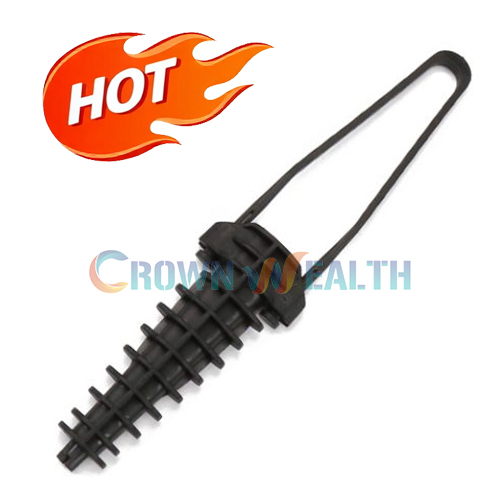
Used for overhead fiber deployments such as FTTH drop cables and backbone lines.
|
Clamp Type |
Description |
Best Use Case |
|---|---|---|
|
Figure-8 Clamps |
Support self-supporting figure-8 cables without additional messenger wire |
Rural and suburban aerial runs |
|
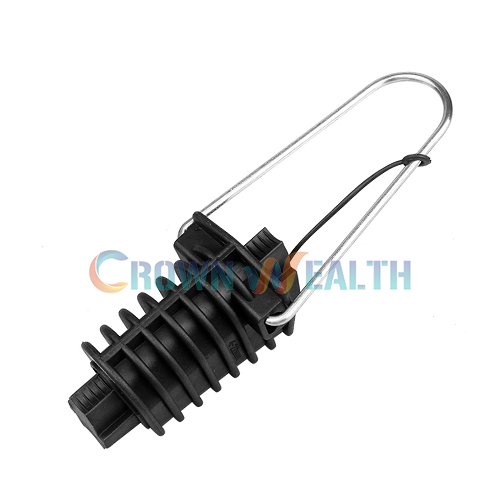
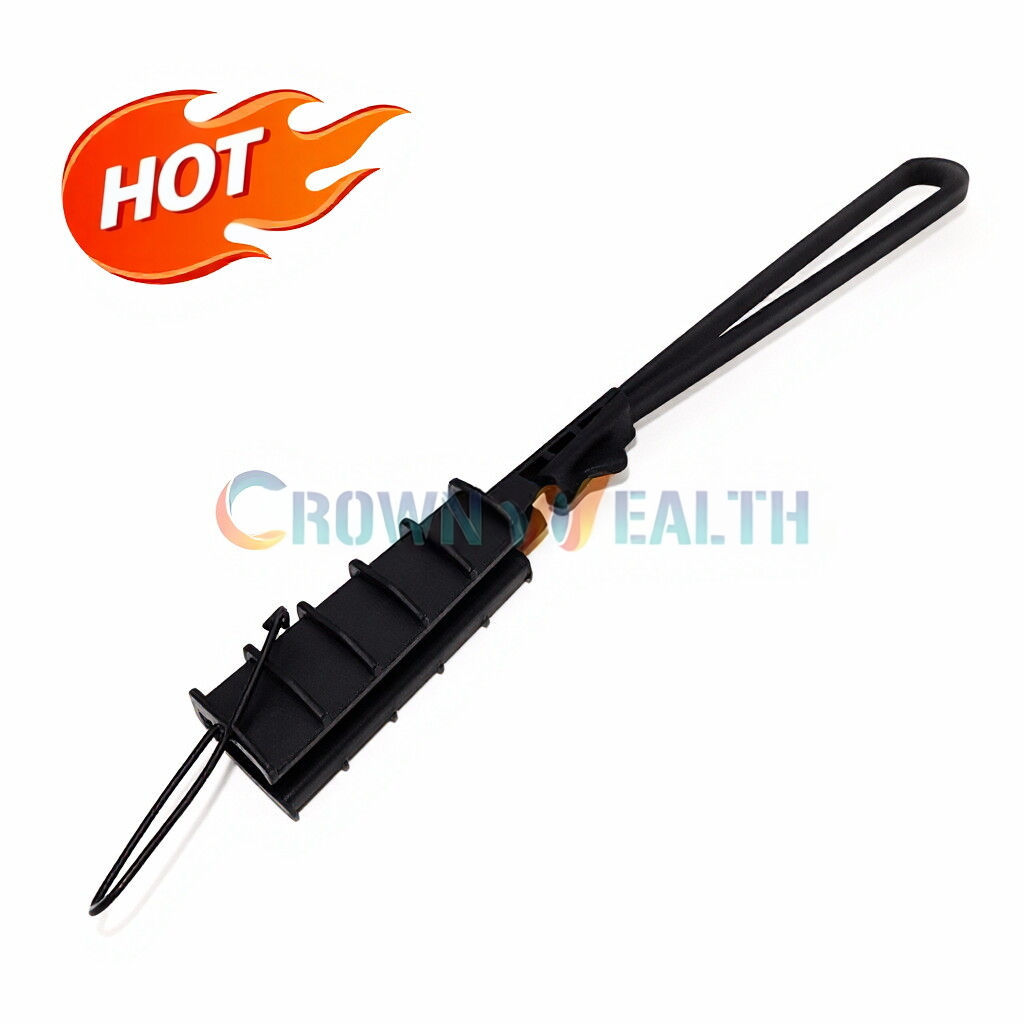
Drop Wire Clamps |
Secure flat drop cables to poles or building entrances |
FTTH subscriber drops |
|
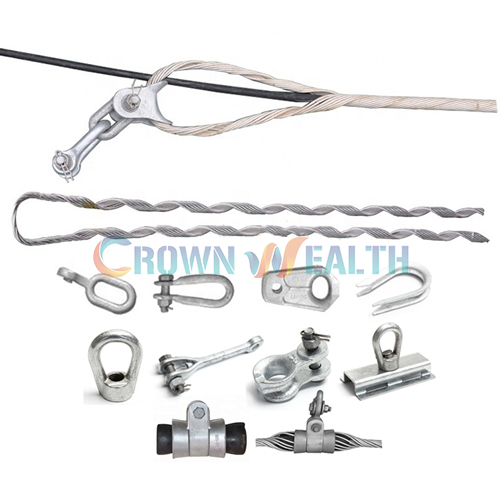
Preformed Dead-end Clamps |
Provide strong tensile support while reducing stress concentration |
Long-span aerial sections |
Key Considerations:
-
UV resistance and corrosion protection
-
Wind load tolerance
-
Ease of installation at height
2. Duct and Conduit Clamps
Designed for fiber cables running through underground ducts or internal conduit systems.
|
Clamp Type |
Description |
Best Use Case |
|---|---|---|
|
Duct Rodder Clamps |
Assist in pulling and securing cables during installation |
New duct builds |
|
Conduit Hangers |
Suspend conduit lines from ceilings or walls |
Indoor risers and utility tunnels |
|
Cable Ties & Straps |
Lightweight, adjustable fastening inside ducts or trays |
Short-distance routing and bundling |
Key Considerations:
-
Smooth inner surfaces to prevent cable sheath damage
-
Fire rating (especially important indoors)
-
Resistance to moisture and chemicals
3. Indoor and Rack-Mount Clamps
Used inside data centers, telecom rooms, and equipment racks.
|
Clamp Type |
Description |
Best Use Case |
|---|---|---|
|
Cable Management Clips |
Organize patch cords and jumpers neatly |
Data center cabinets |
|
Rack Mount Brackets |
Hold fiber enclosures and splice trays securely |
Server room infrastructure |
|
Adhesive Backed Clamps |
Allow tool-free mounting on smooth surfaces |
Temporary setups or clean environments |
Key Considerations:
-
Minimal space usage
-
Easy reconfiguration
-
Non-conductive materials to avoid interference
4. Specialty Clamps (2026 Trends)
With increasing network complexity, specialty clamps are gaining traction:
-
Micro-duct clamps – For high-density FTTH micro-duct systems
-
Rodent-resistant clamps – Reinforced designs for rural or underground environments
-
Smart clamps with sensors – Emerging technology to monitor tension and environmental conditions in real time
How to Choose the Right Fiber Clamp
When selecting clamps for your project, evaluate the following factors:
-
Installation Environment
-
Aerial, underground, or indoor?
-
Exposure to UV, moisture, chemicals, or extreme temperatures?
-
-
Cable Type and Size
-
Single-fiber drop vs. multi-fiber distribution cable
-
Diameter and weight specifications
-
-
Mechanical Load Requirements
-
Expected wind load, ice load, or tensile force
-
Safety margin compliance with local telecom standards
-
-
Compliance and Standards
-
IEC, Telcordia, or regional telecom authority certifications
-
RoHS and REACH compliance for international projects
-
Why Crown Wealth Is a Trusted Global Supplier
For large-scale telecom projects, quality consistency and supply chain reliability are critical. Crown Wealth has become a preferred partner for network installers worldwide due to:
-
✅ A comprehensive portfolio covering aerial, duct, and indoor clamps
-
✅ Materials engineered for harsh environments (stainless steel, UV-stabilized polymers)
-
✅ Strict quality control aligned with international standards
-
✅ Global logistics capability to support turnkey network deployments
Whether you are building a new FTTH network or upgrading a metropolitan fiber ring, Crown Wealth provides hardware solutions designed to reduce installation time and long-term maintenance costs.
Conclusion
In 2026, fiber optic networks continue to expand into more challenging environments—from dense urban data centers to remote rural poles. Understanding fiber optic cable clamp types and their correct applications is essential for any professional installer.
By aligning your clamp selection with environmental conditions, cable specifications, and industry standards—and by partnering with experienced suppliers like Crown Wealth—you can ensure your fiber network remains robust, high-performing, and future-ready.
Need help selecting the right clamp for your next project?