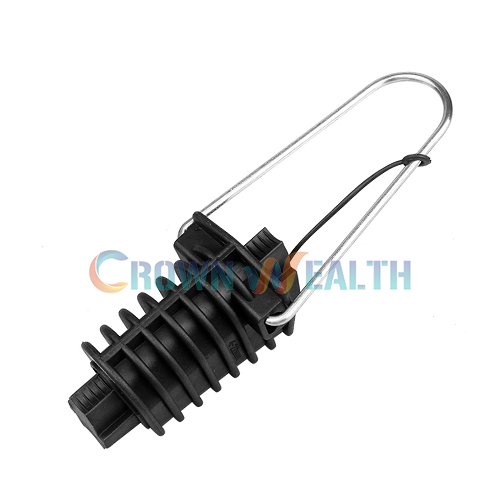
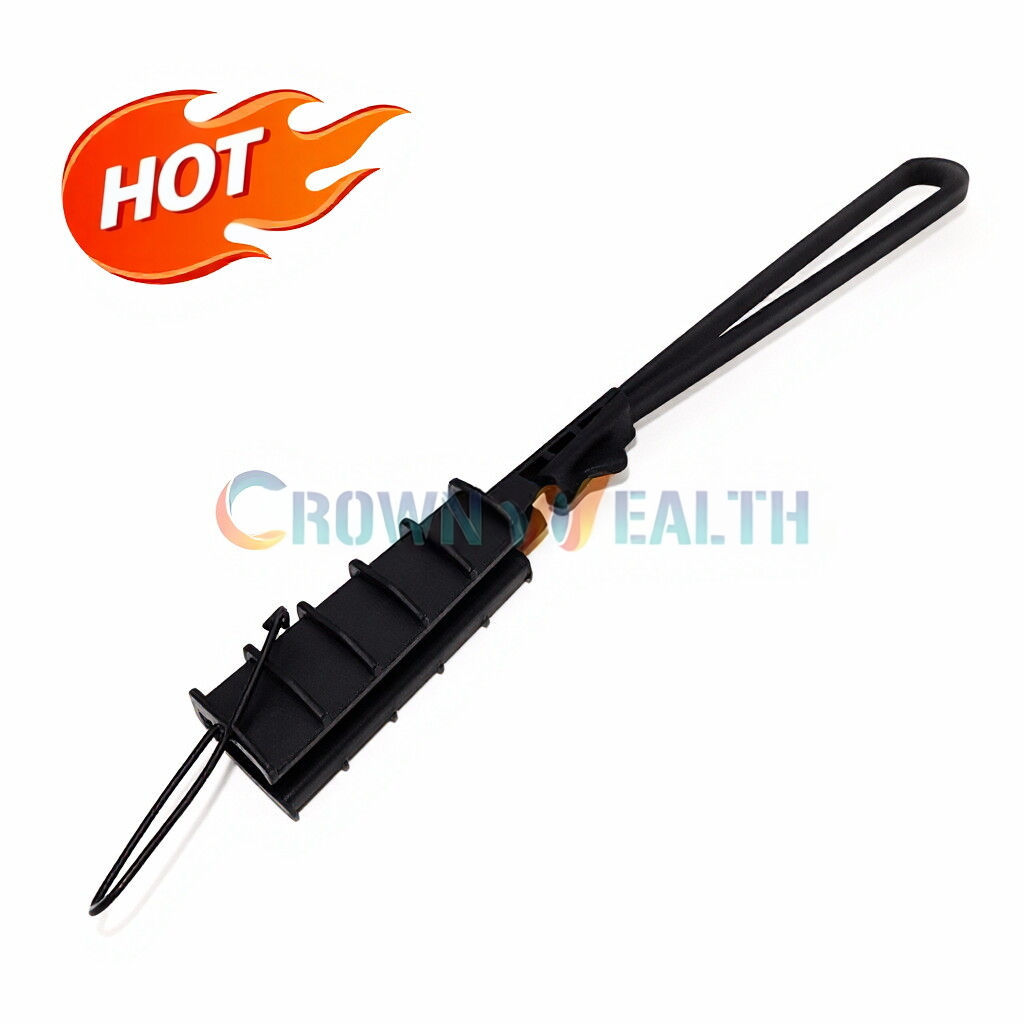
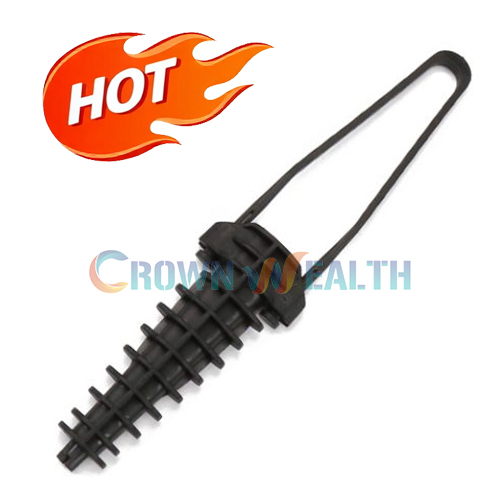
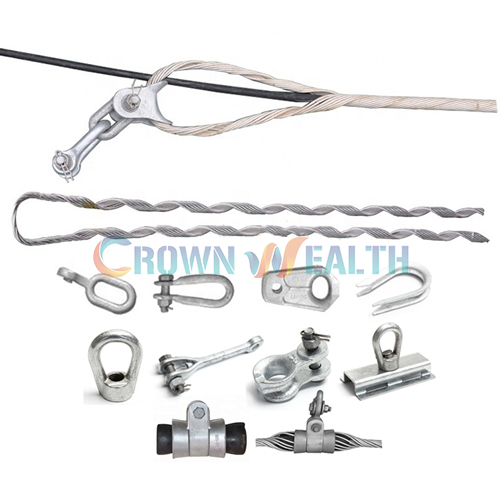
Tension clamps (dead-end clamps) are critical components in overhead transmission and distribution lines. They are designed to hold the full mechanical load of the conductor and maintain system stability.
However, failures still occur in real projects. When a tension clamp fails, it can lead to conductor damage, outages, and costly repairs.
This article explains five common causes of tension clamp failure and how to prevent them.
1. Incorrect Clamp Selection
One of the most common reasons for failure is choosing the wrong clamp for the conductor.
Typical issues include:
- Mismatch between clamp size and conductor diameter
- Using the wrong clamp type for the conductor (ACSR, AAAC, AAC)
- Inadequate mechanical strength
If the clamp does not fit properly, it may slip or fail under tension.
How to prevent it:
Always select clamps based on exact conductor specifications, including diameter, structure, and rated strength.
2. Insufficient Mechanical Strength
Tension clamps must withstand the full load of the conductor, especially at dead-end points.
Failure can occur when:
- Rated Failure Load (RFL) is too low
- Safety margin is insufficient
- Load conditions are underestimated
Under high wind, ice, or tension imbalance, weak clamps can break or deform.
How to prevent it:
Ensure the clamp strength is close to or exceeds the conductor’s rated tensile strength, typically around 95% or higher.
3. Poor Installation Practices
Even high-quality clamps can fail if installed incorrectly.
Common installation issues:
- Improper tightening of bolts
- Incorrect compression process
- Uneven pressure on the conductor
- Missing components or accessories
These problems can lead to stress concentration and premature failure.
How to prevent it:
Follow manufacturer guidelines and use proper tools and trained personnel during installation.
4. Corrosion and Material Degradation
Environmental conditions can significantly affect clamp performance.
Typical risks:
- Coastal areas with salt exposure
- Industrial environments with chemical pollution
- High humidity or rain
Corrosion weakens the material over time, reducing its load-bearing capacity.
How to prevent it:
Use hot-dip galvanized or corrosion-resistant materials, and select higher protection levels for harsh environments.
5. Vibration and Fatigue Damage
Overhead conductors are constantly exposed to wind-induced vibration.
Over time, this can cause:
- Metal fatigue
- Loosening of components
- Gradual structural weakening
Without proper protection, even strong clamps can fail.
How to prevent it:
Install vibration dampers and ensure proper line design to minimize dynamic stress.
Conclusion
Tension clamp failure is rarely caused by a single factor. In most cases, it results from a combination of incorrect selection, poor installation, environmental stress, and long-term fatigue.
By addressing these key areas, you can significantly improve system reliability and reduce maintenance costs.
A well-selected and properly installed tension clamp will ensure:
- Secure conductor anchoring
- Long service life
- Stable line performance
Working on a transmission or distribution project?
We can help you choose the right tension clamps and provide complete technical support based on your project requirements. Feel free to contact us for a quotation.