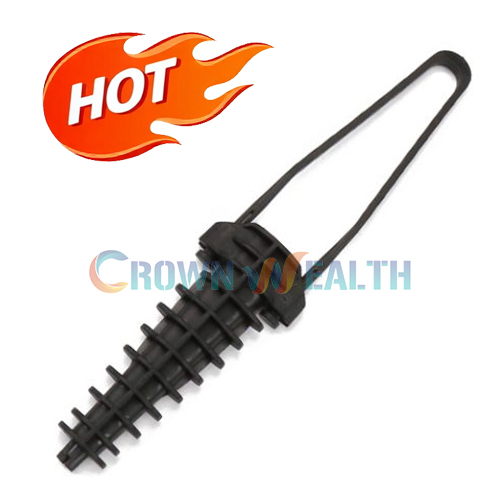
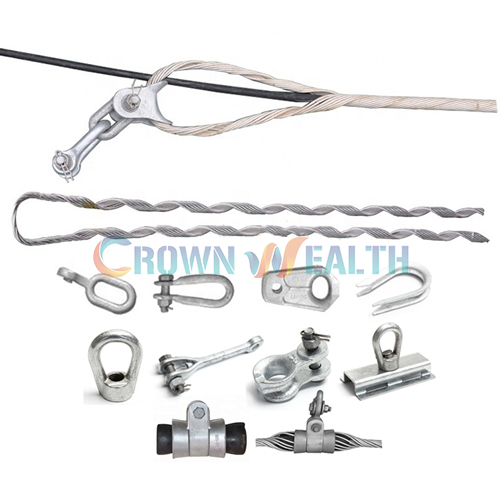
When purchasing overhead line hardware for power transmission or distribution projects, understanding international standards is critical. Two widely referenced standards are EC (European Norms) and ASTM (American Society for Testing and Materials). Knowing the differences helps buyers select hardware that meets quality, safety, and regulatory requirements.
This article explains key distinctions and what buyers should consider.
1. What Are EC and ASTM Standards?
EC (European Norms)
- Established by CEN (European Committee for Standardization)
- Covers design, materials, testing, and safety of overhead line hardware
- Widely used in Europe, the Middle East, and some Asian countries
- Example standards: EN 50183 (Hardware for overhead lines), EN 50341 (Overhead line design and components)
ASTM Standards
- Developed by the American Society for Testing and Materials
- Focus on material properties, mechanical performance, and testing procedures
- Widely used in North America, Latin America, and other regions adopting U.S. specifications
- Example standards: ASTM A153 (Hot-dip galvanizing), ASTM B231 (Aluminum fittings), ASTM F2321 (Hardware testing)
2. Key Differences Between EC and ASTM
| Aspect | EC Standards | ASTM Standards |
|---|---|---|
| Scope | Covers design, dimensions, mechanical performance, and environmental durability | Focuses on material properties, galvanizing, mechanical testing, and manufacturing quality |
| Testing Methods | Often prescriptive, specifying type of mechanical, electrical, and corrosion tests | Emphasizes material composition, coating thickness, and performance under load |
| Design Parameters | Includes guidelines for line design, fittings compatibility, and load calculations | Provides technical specifications and testing standards for hardware components |
| Regional Usage | Europe, Middle East, Asia | North America, Latin America, parts of Africa |
3. Why Understanding These Standards Matters
Purchasing hardware without considering the applicable standards can lead to:
- Non-compliance with project or local regulations
- Hardware incompatibility with existing lines
- Reduced service life due to improper mechanical or corrosion performance
- Increased safety risks
4. How Buyers Should Approach Standard Selection
- Identify Project Location and Regulations
- Some regions require EC-compliant hardware, while others mandate ASTM standards.
- Check Compatibility With Existing Infrastructure
- Voltage level, conductor type, and insulation system may influence the choice of standard.
- Evaluate Material and Mechanical Requirements
- Both EC and ASTM ensure quality, but specifications for galvanizing, load rating, and corrosion resistance differ.
- Consider Long-Term Maintenance
- Hardware that meets recognized international standards tends to have longer service life and lower maintenance costs.
5. Practical Example
A 33kV distribution project in Europe may require:
- Hardware complying with EN 50183 and EN 50341
- Hot-dip galvanizing per EN 1461 for corrosion resistance
A similar 33kV project in the U.S. or Latin America may require:
- Hardware manufactured according to ASTM A153 and ASTM B231
- Mechanical testing per ASTM F2321
In both cases, the key is adherence to the recognized standard for safety, reliability, and regulatory compliance.
Conclusion
Understanding the differences between EC and ASTM standards is essential for buyers of overhead line hardware. Selecting hardware based on the correct standard ensures:
- Compliance with local regulations
- Long-term durability and performance
- Compatibility with conductors and insulators
- Safe and reliable power distribution
Working on a transmission or distribution line project?
We supply overhead line hardware compliant with both EC and ASTM standards, tailored to your project requirements. Contact us for technical support and a quotation.