Selecting the right transmission line hardware is critical for the safety, reliability, and longevity of power transmission and distribution projects. This series provides a comprehensive guide to help engineers, project managers, and procurement teams make informed decisions.
Part 1: Understanding Transmission Line Hardware
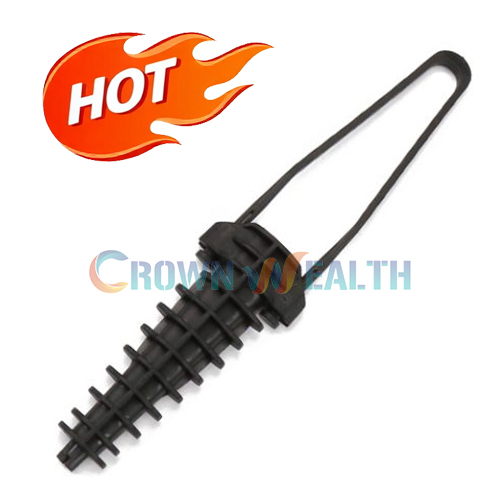
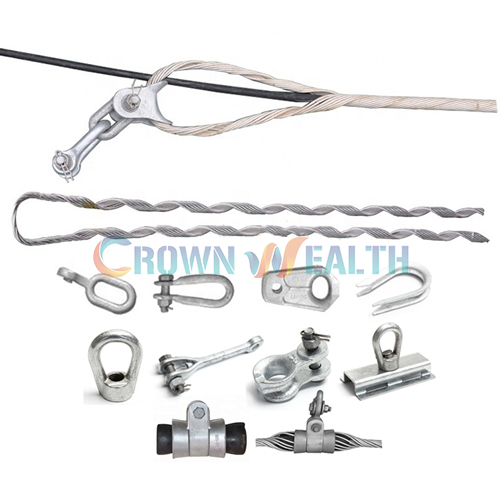
Transmission line hardware includes all fittings and accessories used to support, secure, and protect conductors on poles and towers. Key components include:
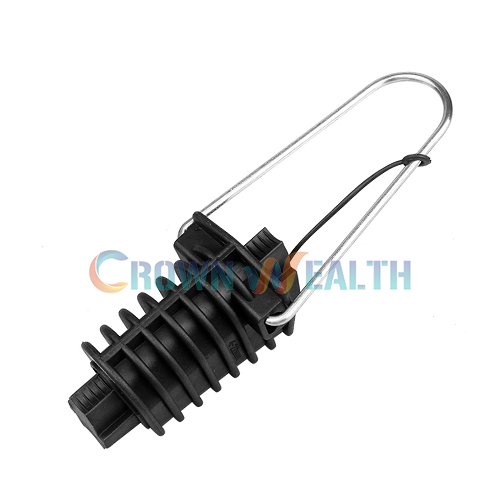
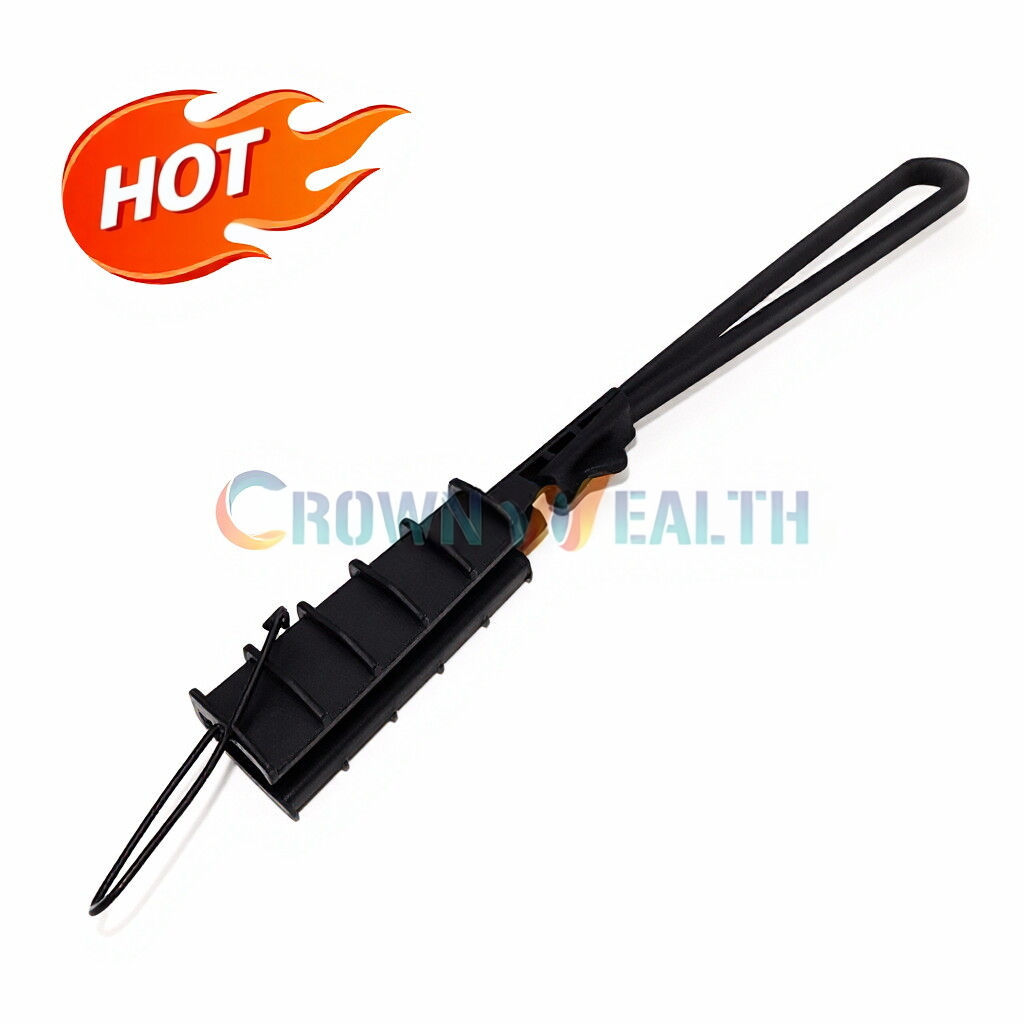
- Conductor fittings: Suspension clamps, tension clamps, armor rods, vibration dampers
- Insulator hardware: Pin, post, and suspension insulators; clevises, yoke plates, and link fittings
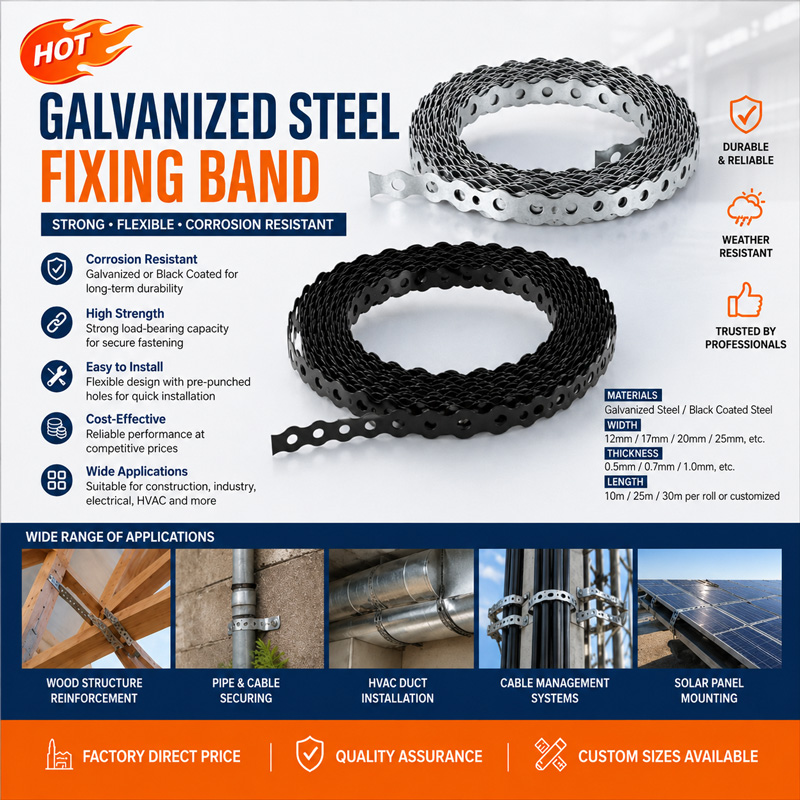
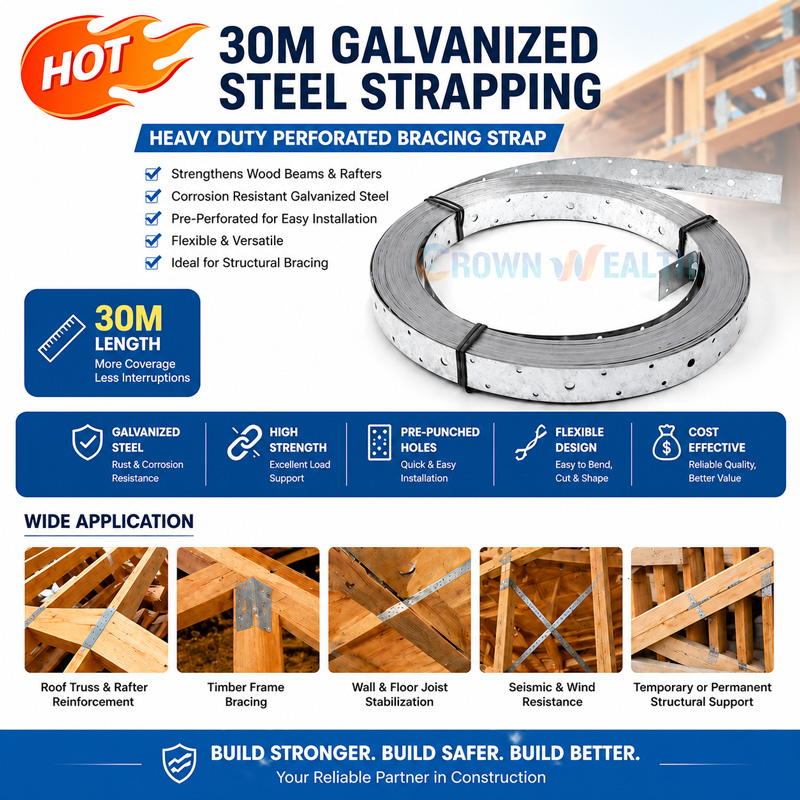
- Structural hardware: Crossarms, brackets, pole bands, guy wires, and anchor systems
- Fasteners: Bolts, nuts, washers, shackles, and clips
- Earthing and protection: Ground rods, clamps, and lightning arresters
Understanding each component’s function ensures safe and reliable line design.
Part 2: Material Selection and Standards
Material choice directly affects performance and service life. Common materials include:
- Steel: Hot-dip galvanized per ASTM A153 or ISO 1461 for corrosion resistance
- Aluminum: Lightweight and corrosion-resistant for specific applications
- Insulators: Porcelain, glass, or polymer, selected by voltage and environment
Standards ensure quality and compatibility:
- IEC/EN: European mechanical and design standards
- ASTM: Material and mechanical standards in North America
- ISO: International standards for coatings, galvanizing, and material testing
Selecting materials that comply with recognized standards ensures durability, safety, and regulatory compliance.
Part 3: Mechanical Strength Requirements
Transmission line hardware must withstand mechanical loads such as:
- Conductor tension
- Wind and ice loading
- Vibration and fatigue
Key considerations:
- Rated Failure Load (RFL): Maximum load a fitting can safely carry
- Tensile and shear strength: Ensures fittings do not deform or fail under stress
- Fatigue resistance: Critical for long-term reliability under cyclic loads
Correctly rated hardware reduces downtime and maintenance costs.
Part 4: Procurement Timing and Planning
Timing is crucial for cost-efficiency and project success. Global trends include:
- Europe/North America: Spring (March–June) and fall (September–October) are peak procurement periods
- Middle East: Hardware procurement peaks August–October due to extreme summer conditions
- Southeast Asia: Orders typically placed October–January before dry-season construction
- Africa & South America: Often follow a “wet-season procurement / dry-season construction” cycle
Tips for buyers:
- Plan procurement 1–2 months before construction
- Consider supplier lead times and material availability
- Build relationships with reliable manufacturers for timely delivery
Part 5: Installation and Quality Assurance
Proper installation ensures hardware performs as designed:
- Follow manufacturer instructions for clamps, insulators, and crossarms
- Torque bolts correctly and ensure proper alignment
- Use vibration dampers to protect conductors
- Inspect components for corrosion, mechanical wear, or loosening
Quality assurance measures during manufacturing and pre-shipment inspections guarantee compliance with international standards.
Conclusion
Selecting the right transmission line hardware is a combination of understanding material requirements, mechanical specifications, standards compliance, procurement timing, and proper installation. Following these guidelines ensures safe, reliable, and long-lasting overhead lines.
Working on a transmission or distribution line project?
We provide complete transmission line hardware solutions tailored to your voltage level, environmental conditions, and project scale. Contact us for technical support and a quotation.