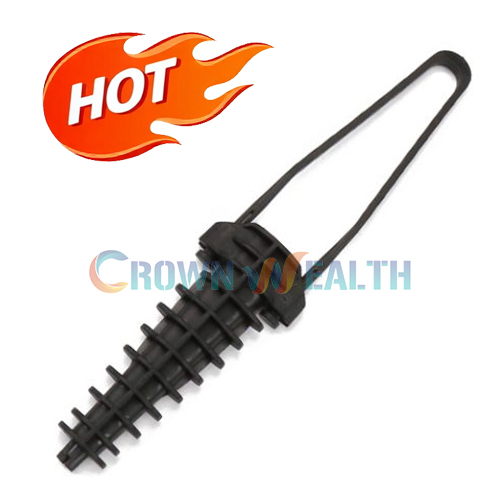
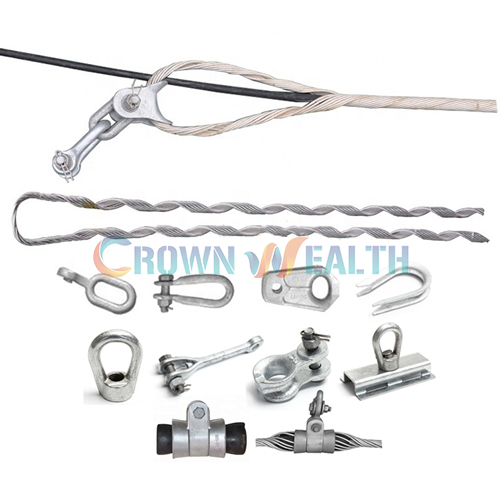
When planning overhead line installations, one of the most common questions buyers ask is: What is the average guy grip price?
The answer depends on several factors including material, cable size, galvanizing quality, load capacity, and production standards.
Whether you are sourcing for utility transmission lines, telecom poles, or industrial anchoring systems, understanding guy grip pricing helps reduce project costs while maintaining long-term reliability.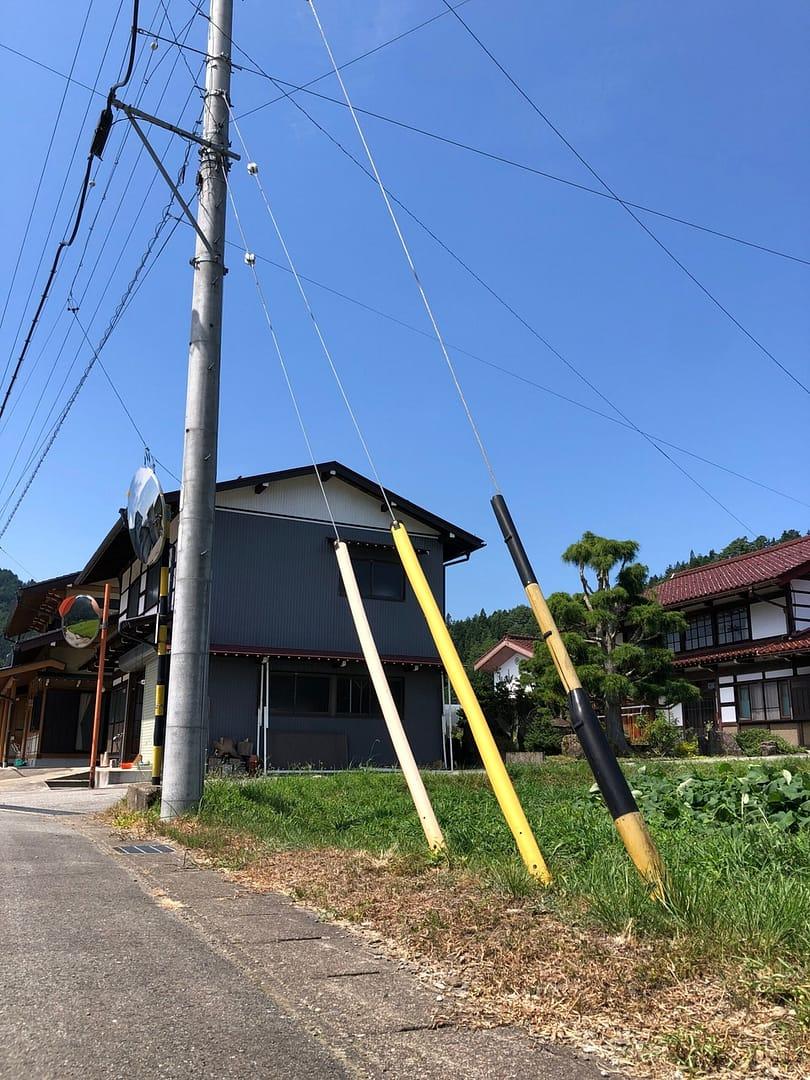
What Is a Guy Grip?
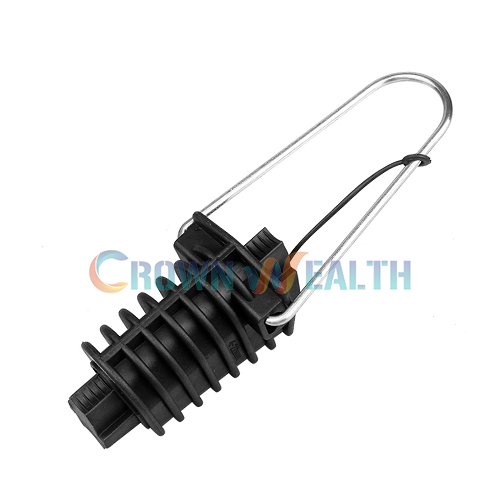
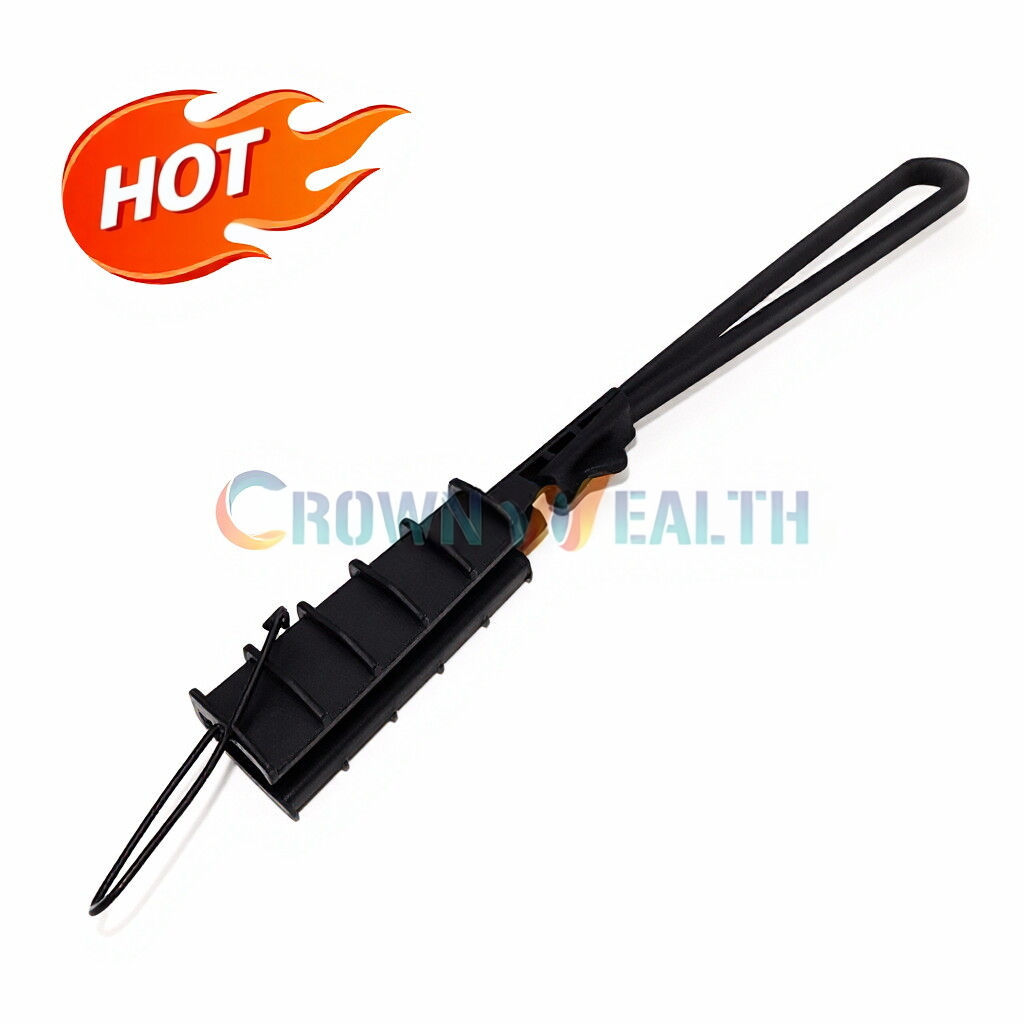
A guy grip is a preformed dead-end fitting designed to secure and tension guy wires on utility poles and transmission structures. It is widely used in electrical distribution networks, telecommunications systems, and pole line hardware installations.
Common applications include:
- Power transmission lines
- Utility pole stabilization
- Telecom tower support
- FTTH and aerial cable projects
- Industrial anchoring systems
High-quality guy grips provide strong holding power, corrosion resistance, and long service life in outdoor environments.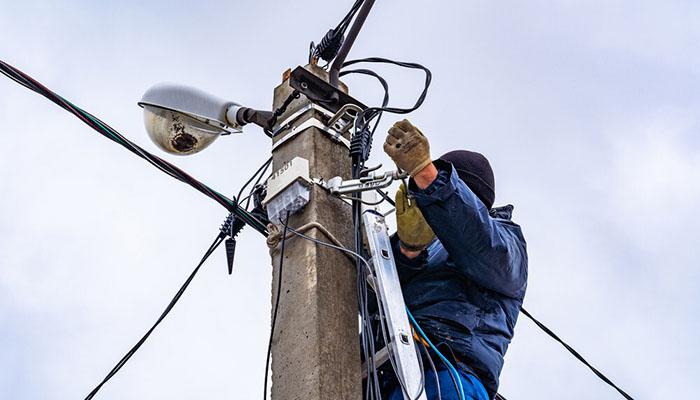
Factors That Influence Guy Grip Price
1. Material Type
The material directly impacts durability and cost.
Common materials include:
- Galvanized steel
- Aluminum-clad steel
- Stainless steel
- Hot-dip galvanized carbon steel
A hot dip galvanized guy grip generally costs more because of its superior corrosion resistance and longer outdoor lifespan.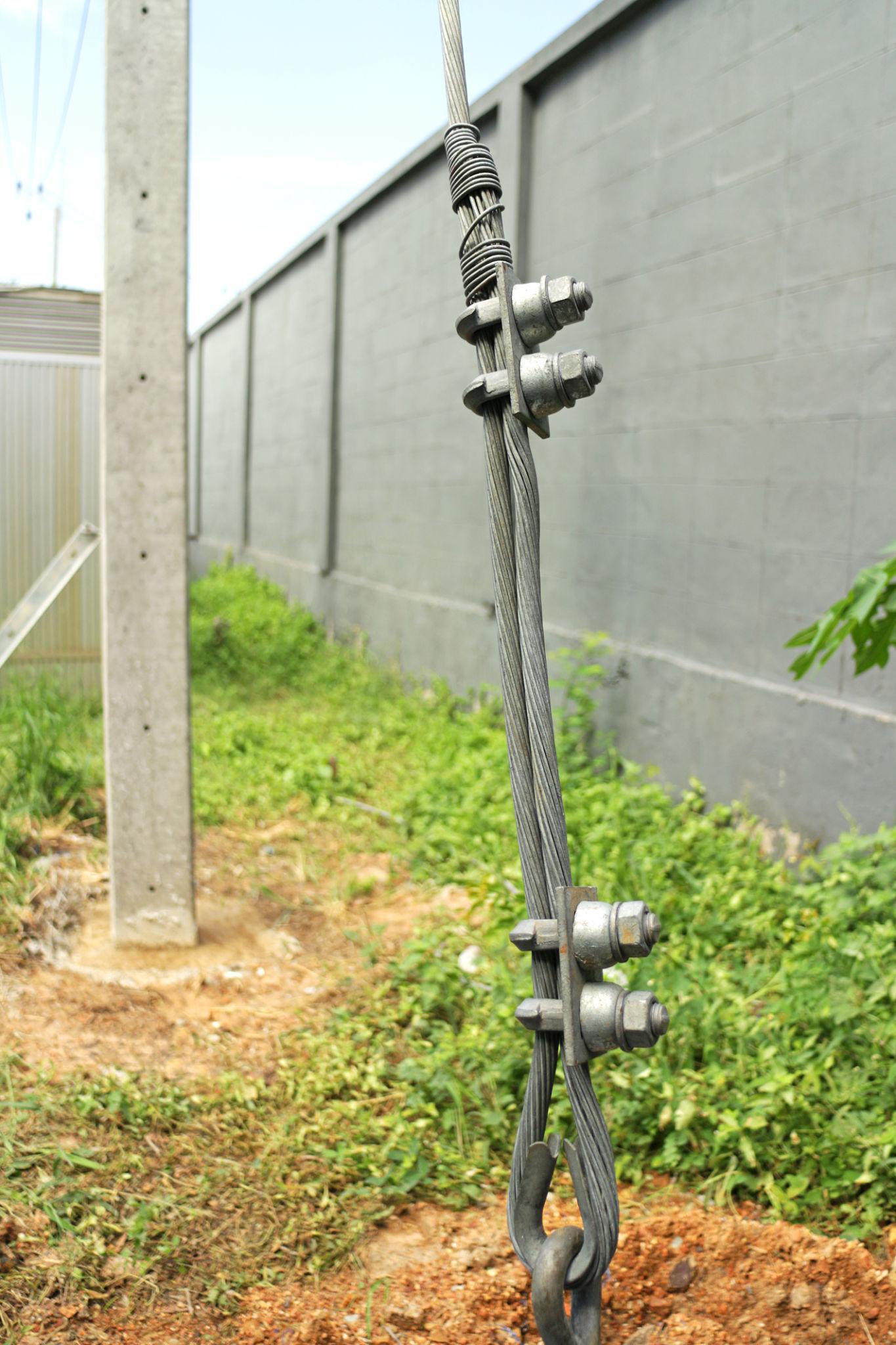
2. Wire Diameter and Size
Larger guy wires require larger preformed grips with higher tensile strength.
As the size increases, manufacturing material and production complexity also increase.
Typical sizes include:
- 1/4" guy wire
- 3/8" guy wire
- 7/16" guy wire
- 1/2" guy wire
Heavy-duty utility projects usually require higher-strength models, resulting in higher pricing.
3. Coating and Corrosion Protection
Outdoor utility hardware must survive harsh environments including:
- Coastal salt exposure
- Heavy rain
- Snow and ice
- High humidity
Products with thicker zinc coatings or advanced galvanization processes generally have higher prices but lower maintenance costs over time.
4. Load Capacity
Different projects require different holding strengths.
A transmission line project may require significantly stronger guy grips than telecom installations.
Higher tensile ratings typically mean:
- More steel usage
- Stronger manufacturing processes
- Increased testing requirements
This affects the final guy grip price.
Average Guy Grip Price Range
The market price for guy grips varies based on specifications and order quantity.
Typical wholesale ranges:
| Product Type | Estimated Price Range |
|---|---|
| Standard galvanized guy grip | $0.50 – $2.50 |
| Heavy-duty utility guy grip | $2.00 – $6.00 |
| Stainless steel guy grip | $3.00 – $10.00 |
| Custom preformed guy grip | Depends on design |
Bulk purchasing from manufacturers usually provides much lower unit pricing.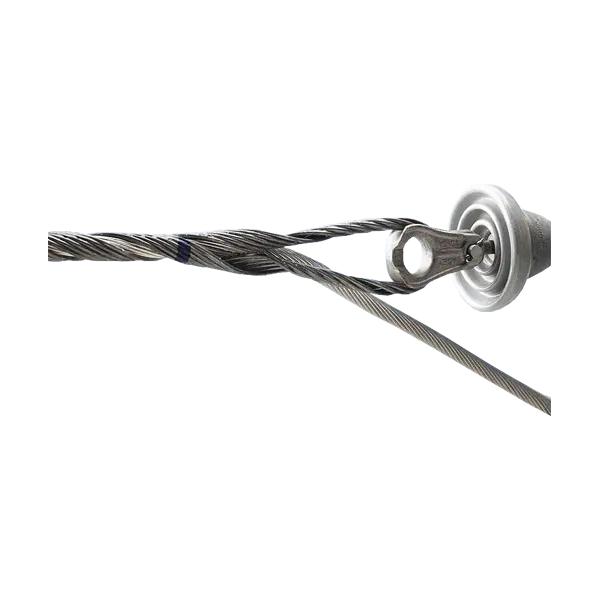
Why Quality Matters More Than Low Price
Choosing the cheapest product may increase long-term risks such as:
- Premature corrosion
- Slippage under tension
- Reduced load performance
- Utility pole instability
Reliable utility hardware improves safety and reduces maintenance expenses.
High-quality guy grips typically offer:
- Accurate preformed design
- Consistent tension performance
- Strong corrosion resistance
- Long outdoor service life
How to Choose the Right Guy Grip Supplier
When comparing suppliers, consider:
Manufacturing Experience
Experienced manufacturers usually provide:
- Stable quality control
- Better galvanizing processes
- International production standards
Customization Capability
A good supplier should support:
- Custom wire diameters
- Different coating standards
- OEM branding
- Packaging customization
Certifications
Check for compliance with:
- ASTM standards
- IEC standards
- Utility industry requirements
Applications of Utility Guy Grips
Guy grips are commonly used in:
- Electrical transmission projects
- Distribution pole systems
- Telecom infrastructure
- Solar energy support structures
- Railway electrification systems
Their reliability makes them essential components in modern utility networks.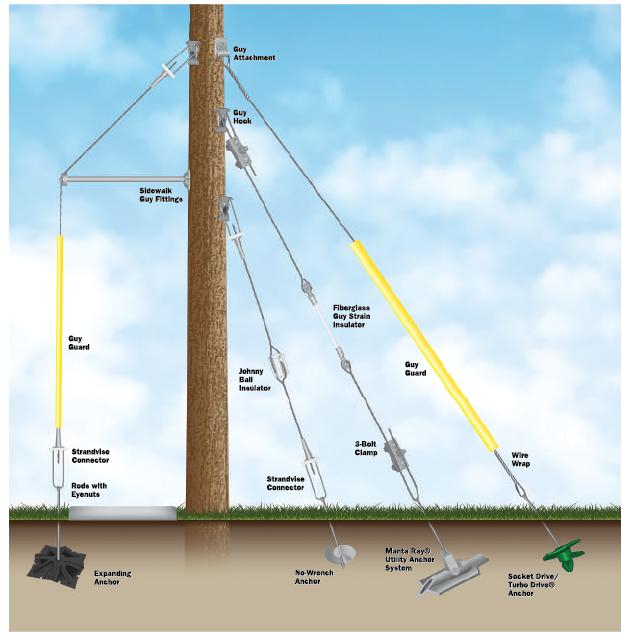
Conclusion
Understanding the factors behind guy grip price helps buyers select the best balance between cost and quality. Material, galvanization, wire size, and tensile strength all influence final pricing.
For utility and telecom projects, investing in durable, corrosion-resistant guy grips can significantly improve long-term system stability and reduce maintenance costs.
If you are sourcing wholesale utility hardware, choosing a trusted manufacturer with stable quality control and competitive pricing is essential for successful infrastructure projects.