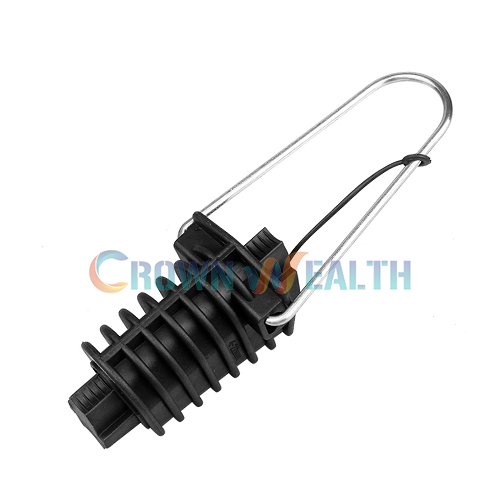
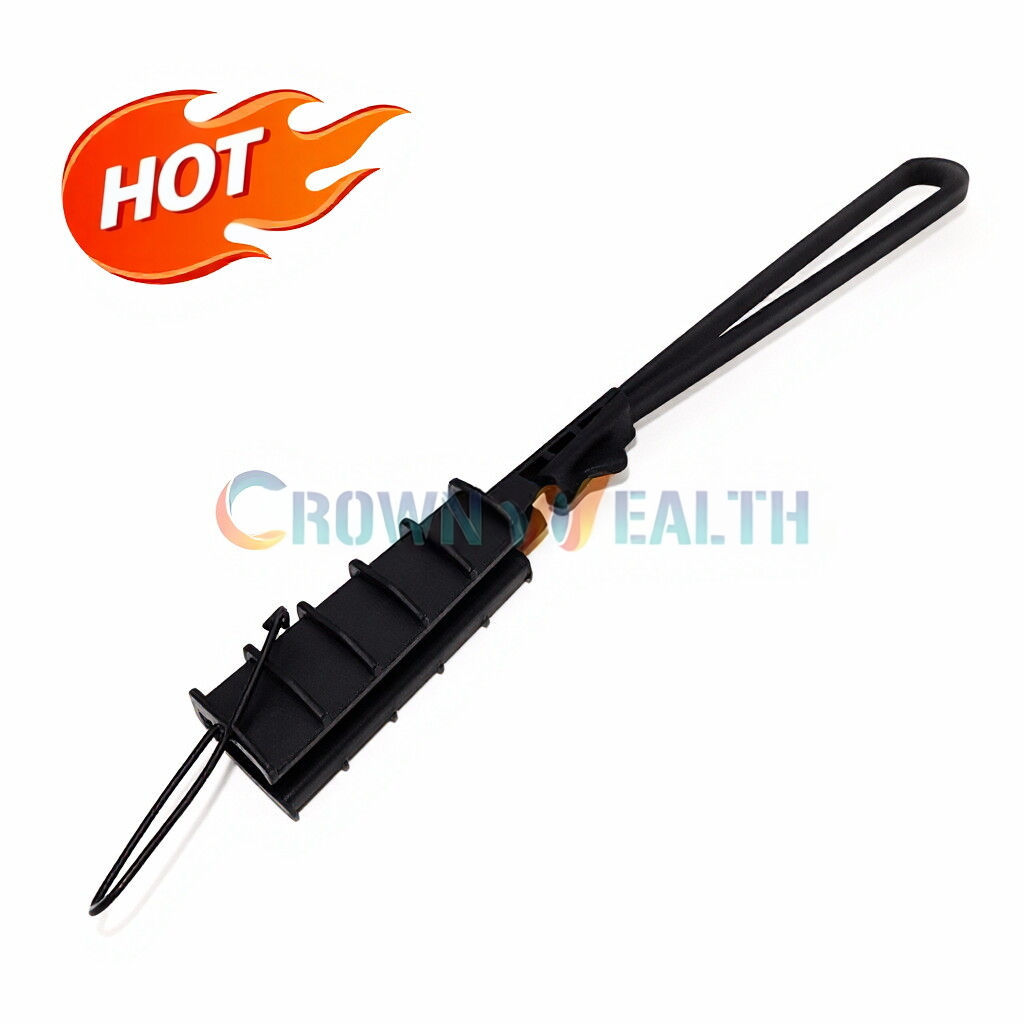
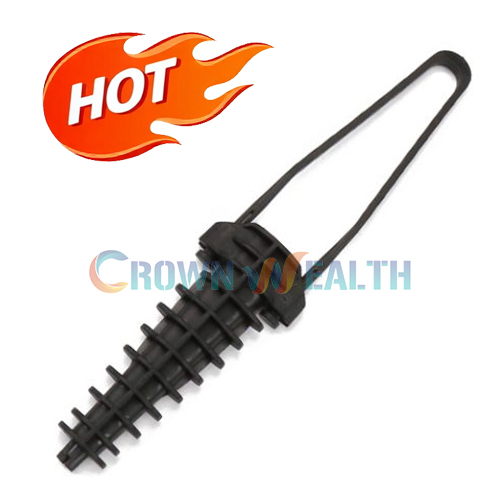
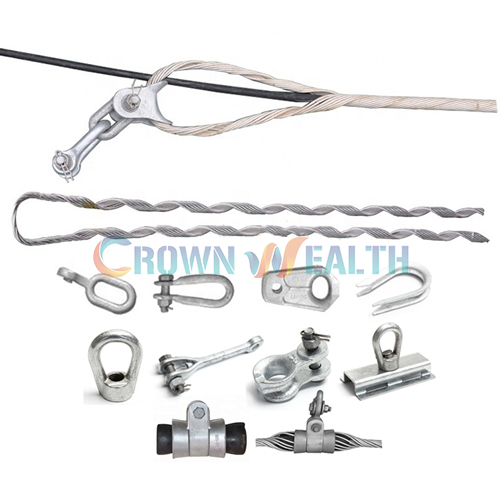
In modern overhead cable networks, the span clamp plays a critical role in supporting and securing cables between poles or structures. Whether used in FTTH deployments, ADSS fiber networks, or power distribution systems, a high-quality span clamp improves installation stability, reduces cable stress, and extends the service life of the network.
For telecom contractors and utility companies, choosing the right span clamp can greatly improve installation efficiency and long-term reliability.
What Is a Span Clamp?
A span clamp is a hardware fitting designed to hold, suspend, or anchor overhead cables across spans between utility poles. It is widely used in:
- Fiber optic cable installations
- FTTH and FTTx networks
- ADSS cable systems
- Electrical power distribution lines
- Aerial drop cable routing
The clamp provides mechanical support while protecting the cable from excessive tension, vibration, and environmental damage.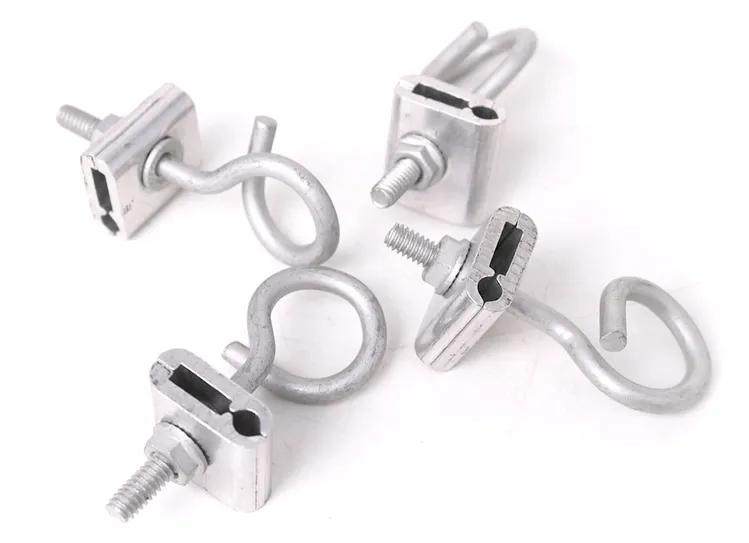
Main Types of Span Clamps
Different projects require different clamp structures. Common types include:
Suspension Span Clamp
Used to suspend cables along straight routes while allowing limited movement caused by wind or thermal expansion.
Suitable for:
- ADSS fiber cable
- Aerial bundled cable
- Utility steel pole applications
Anchor Span Clamp
Designed for dead-end or tension points where the cable must be firmly secured.
Commonly used in:
- FTTH drop cable installations
- Corner pole connections
- Terminal pole applications
Stainless Steel Span Clamp
Manufactured from corrosion-resistant stainless steel for outdoor durability in coastal or humid environments.
Advantages include:
- Rust resistance
- Long service life
- Low maintenance costs
Benefits of Using High-Quality Span Clamps
Strong Mechanical Performance
A durable span clamp maintains stable cable tension and minimizes movement during strong wind or heavy load conditions.
Easy Installation
Most modern span clamps are designed for quick installation without specialized tools, reducing labor time on-site.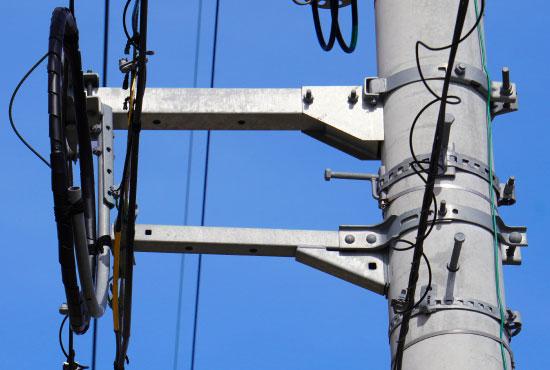
Weather Resistance
Galvanized steel and stainless steel materials provide excellent resistance against:
- Rain
- UV exposure
- Corrosion
- Temperature changes
Cable Protection
Proper clamp design prevents cable crushing or insulation damage, helping maintain signal stability and electrical safety.
Applications of Span Clamps
Span clamps are widely used across multiple industries.
Fiber Optic Networks
In FTTH and telecom projects, span clamps secure drop cables and fiber optic lines on poles and buildings.
Electrical Distribution Systems
Power utilities use span clamps to support insulated conductors and overhead service cables.
Rural & Urban Infrastructure
They are commonly installed in:
- Residential communication networks
- Industrial power systems
- Smart city infrastructure
- Rural electrification projects
How to Choose the Right Span Clamp
Selecting the correct span clamp depends on several factors:
| Factor | Recommendation |
|---|---|
| Cable Type | Match clamp design to round or flat cable |
| Span Distance | Choose appropriate load capacity |
| Environment | Use stainless steel in coastal areas |
| Installation Method | Select suspension or anchor type |
| Material | Prefer galvanized or stainless steel |
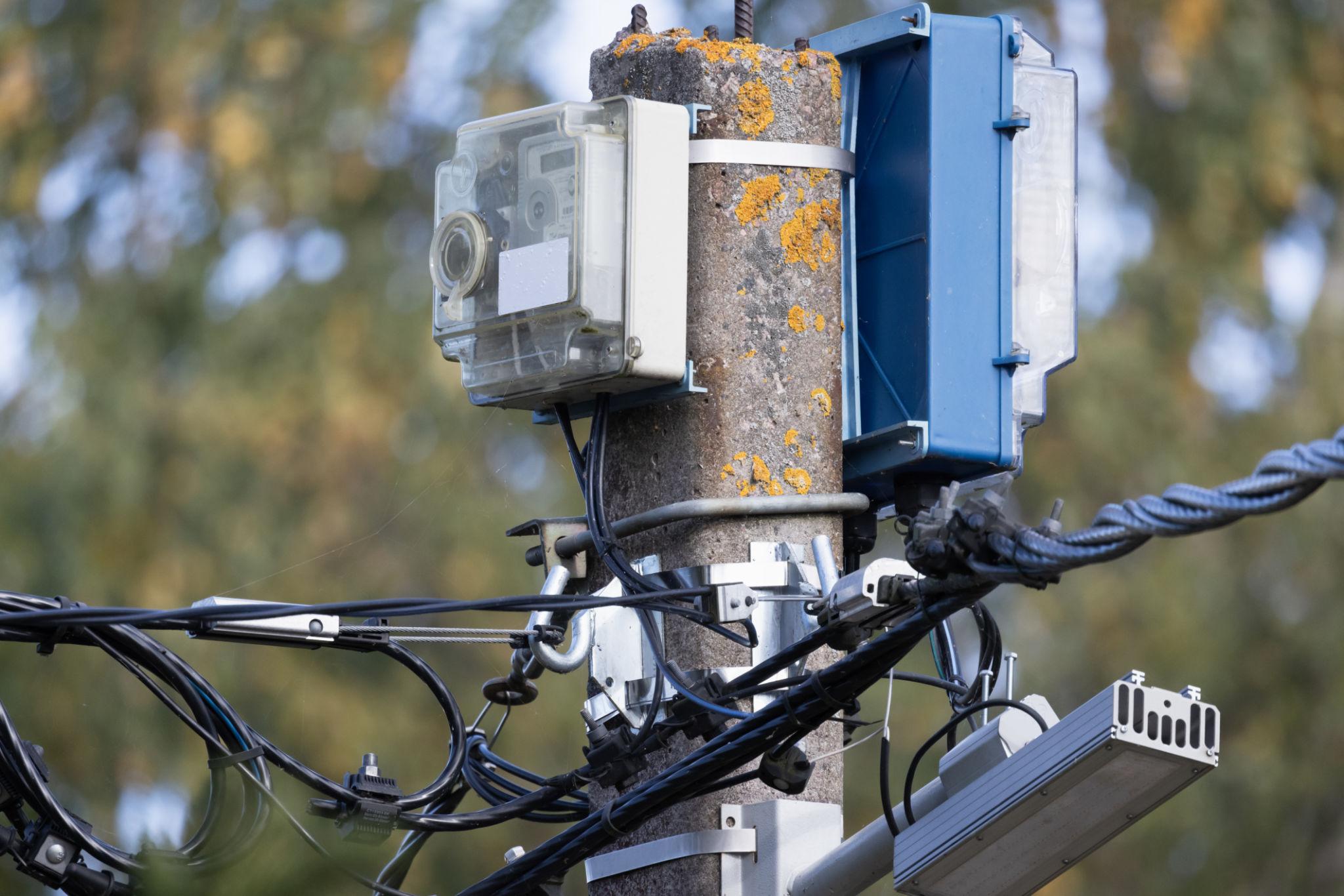
Why Choose HBCrownWealth Span Clamps?
CrownWealth provides durable and high-performance span clamp solutions for telecom and power transmission projects worldwide.
Key advantages include:
- High-strength materials
- Corrosion-resistant coatings
- OEM & ODM customization
- Stable quality control
- Competitive factory pricing
The products are suitable for FTTH networks, utility pole systems, and aerial cable infrastructure projects.
Conclusion
A reliable span clamp is essential for safe and efficient overhead cable installations. From fiber optic communication systems to electrical distribution networks, the right clamp improves cable protection, installation speed, and long-term system reliability.
Choosing high-quality span clamps from trusted manufacturers like CrownWealth helps ensure durable performance in demanding outdoor environments.