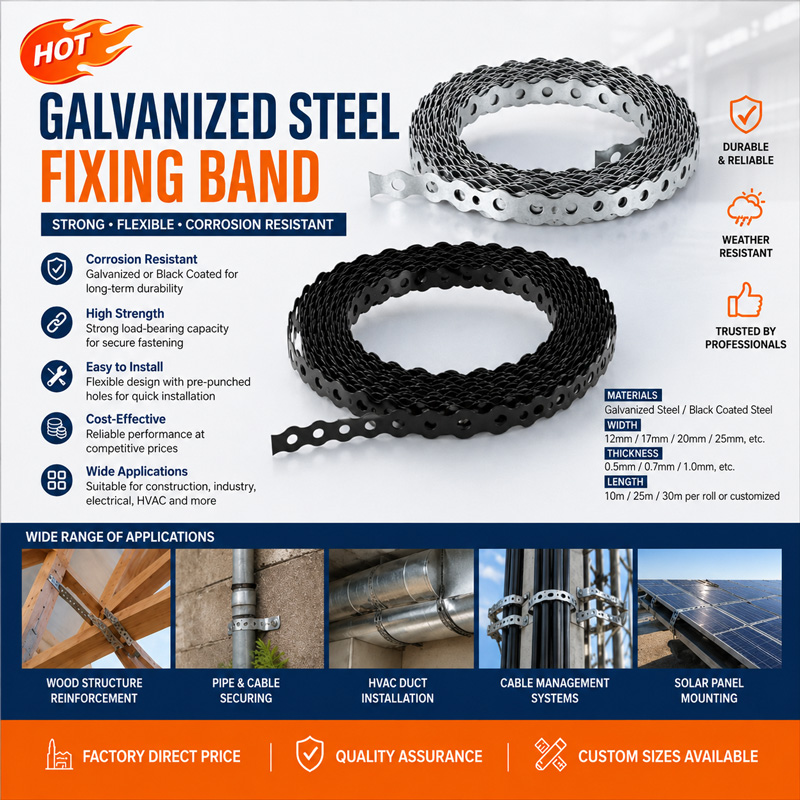
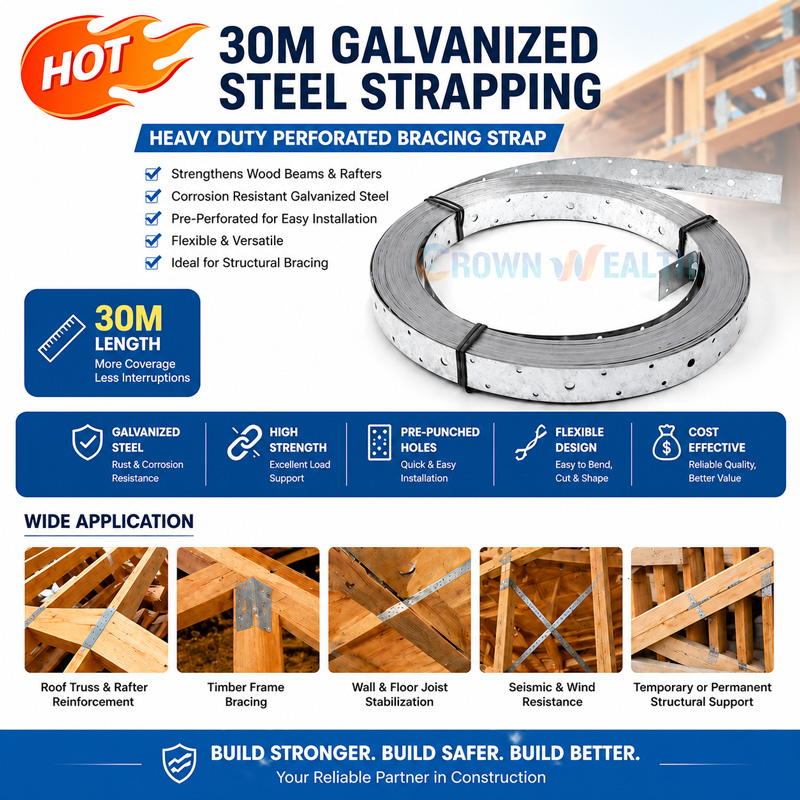
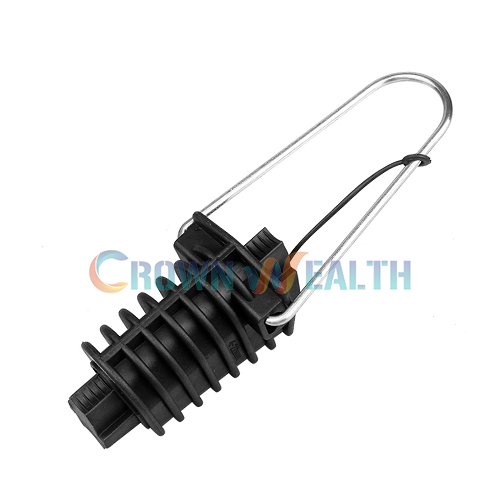
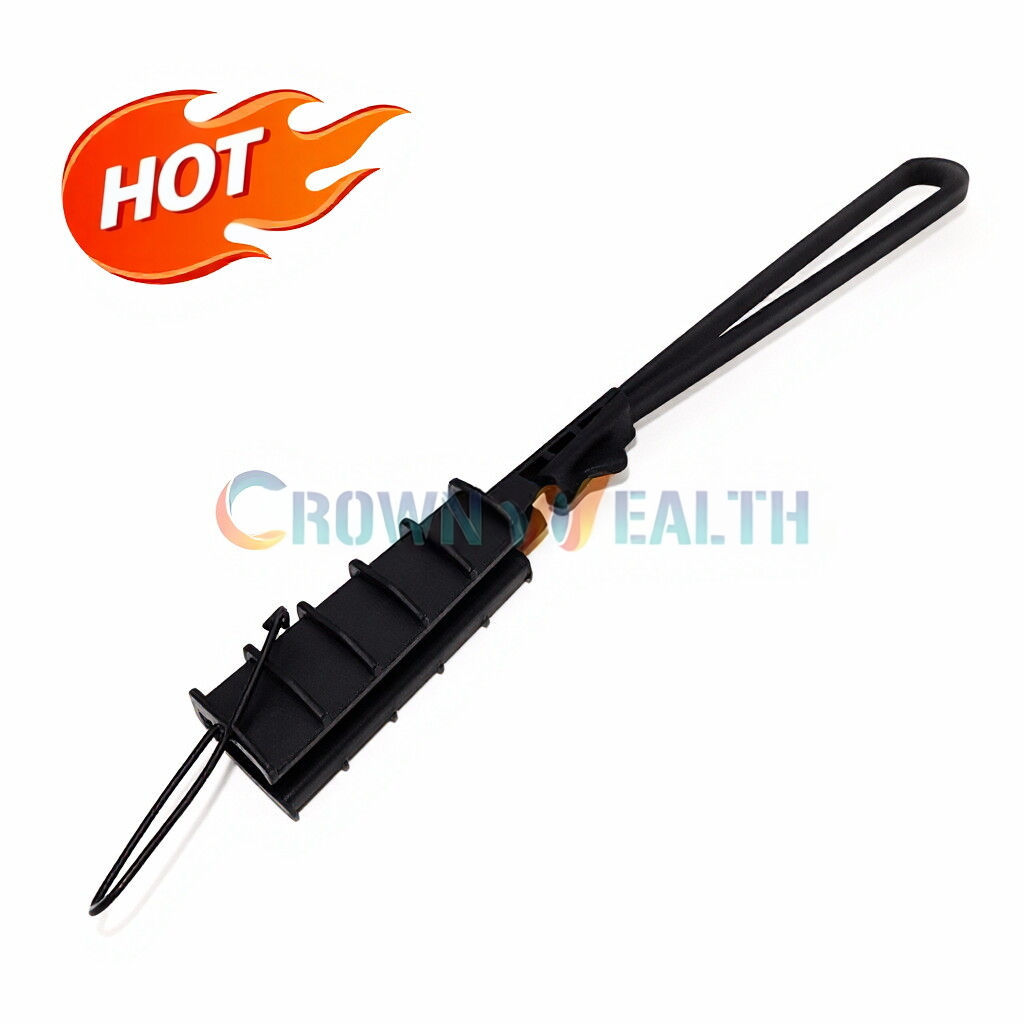
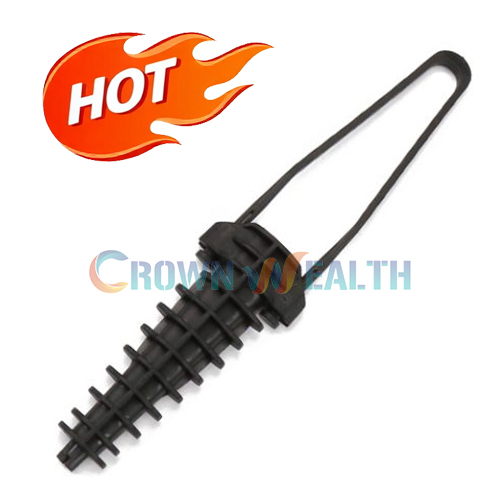
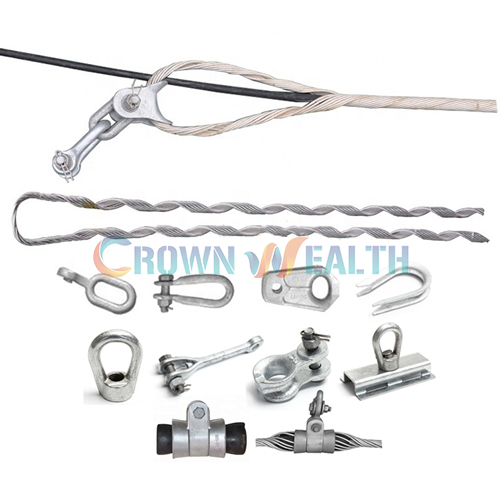
As power distribution networks, fiber optic communication systems, and 5G infrastructure continue to expand worldwide, choosing the right power line fittings and telecom hardware has become increasingly important. Whether you are an engineering contractor, utility company, distributor, or procurement manager, understanding industry standards, suspension clamp selection criteria, corrosion protection requirements, and regional project solutions can help improve network reliability while reducing long-term maintenance costs.
This guide explains how to choose suspension clamps for overhead distribution lines, compares IEC and BS standards for power line fittings, outlines hot dip galvanizing requirements for outdoor telecom hardware, and introduces a practical hardware accessories solution for Southeast Asia 5G base station construction.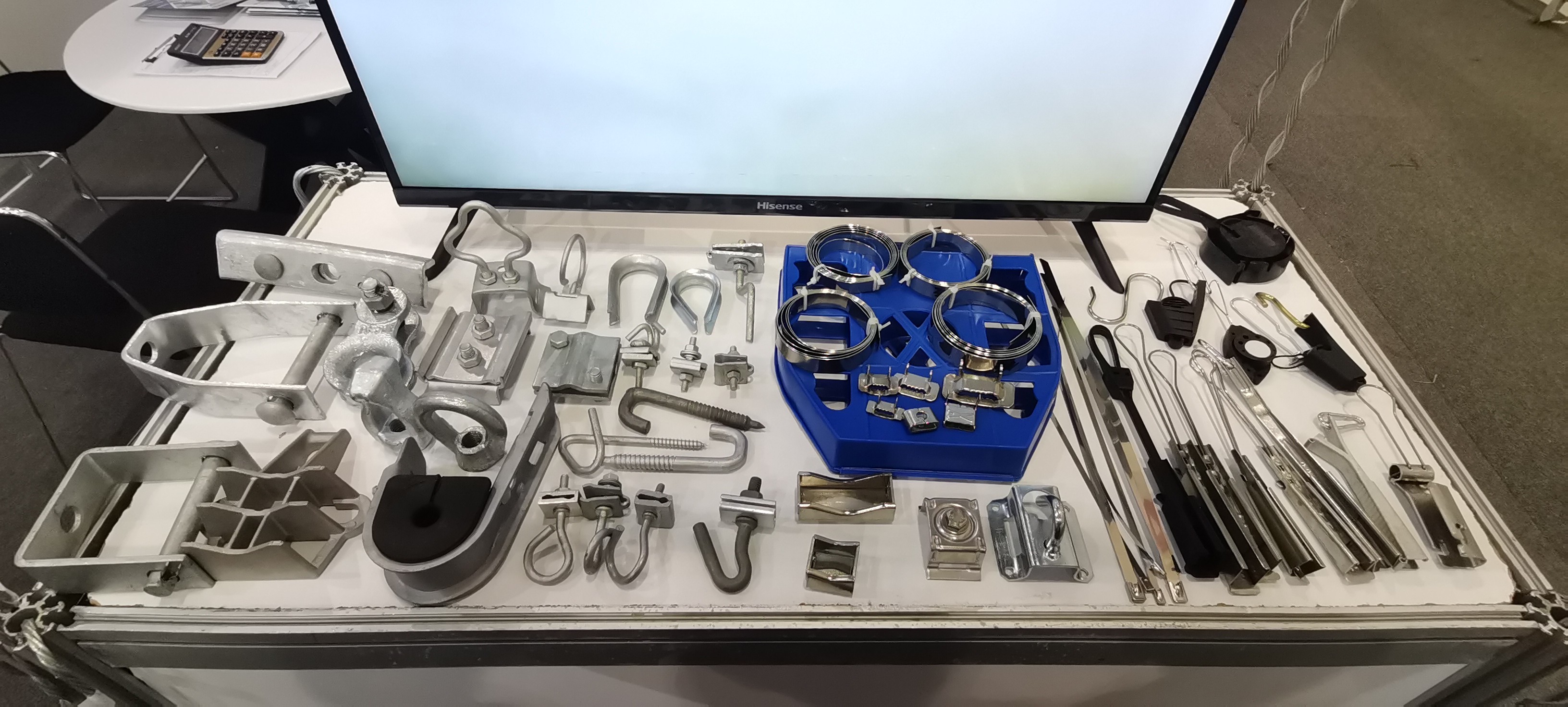
How to Choose a Suspension Clamp for Overhead Distribution Lines
Suspension clamps are essential components used to support and secure conductors or cables on utility poles and transmission structures. The correct suspension clamp not only protects the conductor but also extends the service life of the entire distribution network.
Key Factors to Consider
1. Conductor Diameter
First, determine the conductor diameter range. Suspension clamps must match the cable size precisely to prevent conductor slippage, excessive compression, or mechanical damage.
Common applications include:
-
ABC Cable Networks
-
ADSS Fiber Optic Cable Systems
-
Distribution Power Lines
-
Telecommunication Networks
2. Mechanical Load Requirements
Evaluate the maximum tension and vertical load expected in the installation environment.
Important considerations include:
-
Wind loading
-
Ice loading
-
Span length
-
Terrain conditions
-
Pole spacing
Heavy-duty suspension clamps are recommended for long-span installations and high-wind regions.
3. Material Selection
Different environments require different materials.
Hot-Dip Galvanized Steel
Suitable for:
-
Utility distribution lines
-
Rural electrification projects
-
Coastal regions with moderate corrosion exposure
Advantages:
-
High mechanical strength
-
Excellent durability
-
Cost-effective solution
Aluminum Alloy
Suitable for:
-
Lightweight applications
-
Corrosion-sensitive environments
-
Telecommunications infrastructure
Advantages:
-
Lower weight
-
Good corrosion resistance
-
Easy installation
4. Installation Method
Choose suspension clamps that allow:
-
Quick installation
-
Reduced labor costs
-
Easy maintenance
-
Long-term operational stability
Pre-assembled suspension clamps are increasingly preferred for modern utility projects.
IEC vs BS Standards: What's the Difference for Power Line Fittings?
Many procurement teams encounter both IEC and BS specifications when sourcing power line hardware. Understanding these standards helps ensure compatibility and compliance.
IEC Standards
IEC (International Electrotechnical Commission) standards are widely adopted globally.
Characteristics:
-
International acceptance
-
Suitable for multinational projects
-
Common in Asia, Africa, Middle East, and Europe
-
Harmonized technical requirements
Benefits:
-
Easier global sourcing
-
Better interoperability
-
Simplified project management
BS Standards
BS (British Standards) originated in the United Kingdom and remain influential in many Commonwealth countries.
Characteristics:
-
Long-established engineering practices
-
Widely used in legacy utility systems
-
Frequently specified in certain government tenders
Benefits:
-
Proven reliability
-
Extensive historical project references
-
Compatibility with existing infrastructure
Which Standard Should You Choose?
Choose IEC standards when:
-
Working on international projects
-
Building new utility networks
-
Procuring equipment from multiple countries
Choose BS standards when:
-
Existing infrastructure follows BS specifications
-
Government tenders specifically require BS compliance
-
Replacement parts must match legacy systems
Many manufacturers, including Hbcrownwealth, can provide products that meet both IEC and BS requirements to support diverse project demands.
Hot Dip Galvanizing Requirements for Outdoor Telecom Hardware
Outdoor telecom hardware is continuously exposed to moisture, UV radiation, pollution, and temperature fluctuations. Corrosion protection therefore becomes a critical factor in product performance.
Hot-dip galvanizing remains one of the most effective methods for protecting steel hardware used in telecommunications and power distribution networks.
Why Hot-Dip Galvanizing Matters
The zinc coating creates a protective barrier that shields steel from environmental corrosion.
Benefits include:
-
Extended service life
-
Reduced maintenance costs
-
Improved structural integrity
-
Better resistance to harsh environments
Typical Hardware Requiring Galvanization
-
Pole Bands
-
Suspension Clamps
-
Anchoring Clamps
-
Cross Arm Brackets
-
Stay Rod Assemblies
-
Pole Top Brackets
-
Cable Support Hardware
Key Quality Requirements
Reliable galvanizing processes should provide:
-
Uniform zinc coating
-
Smooth surface finish
-
No exposed steel
-
Strong adhesion
-
Consistent coating thickness
For coastal and tropical environments, thicker zinc coatings are generally recommended to maximize corrosion resistance.
Why Galvanization Is Essential in Southeast Asia
Countries such as:
-
Indonesia
-
Malaysia
-
Thailand
-
Philippines
-
Vietnam
often experience:
-
High humidity
-
Heavy rainfall
-
Salt-laden coastal air
-
Elevated temperatures
These conditions accelerate corrosion, making hot-dip galvanized hardware an essential requirement for long-term network reliability.
Hardware Accessories Solution for Southeast Asia 5G Base Station Construction
The rapid deployment of 5G networks across Southeast Asia has significantly increased demand for reliable telecom hardware and cable management solutions.
A complete hardware solution should focus on installation efficiency, durability, and long-term operational performance.
Typical 5G Infrastructure Hardware Package
Pole Mounting Accessories
Used for:
-
Small cell installations
-
Utility pole deployment
-
Wireless equipment mounting
Products include:
-
Pole Bands
-
Stainless Steel Bands
-
Buckles
-
Pole Brackets
Fiber Optic Cable Accessories
Used for:
-
Backhaul network deployment
-
Fiber routing
-
Cable protection
Products include:
-
ADSS Suspension Clamps
-
Anchoring Clamps
-
Fiber Optic Cable Storage Brackets
-
Cable Slack Storage Systems
Tower and Structure Hardware
Used for:
-
Base station towers
-
Rooftop installations
-
Infrastructure reinforcement
Products include:
-
Cross Arm Brackets
-
Guy Wire Hardware
-
Stay Rod Assemblies
-
Structural Fasteners
Project Challenges in Southeast Asia
Engineering teams commonly face:
-
Corrosive environments
-
Remote installation locations
-
High maintenance costs
-
Tight project schedules
Therefore, pre-engineered hardware systems with hot-dip galvanized steel, stainless steel, and aluminum alloy components are often preferred.
Why Choose Hbcrownwealth
Hbcrownwealth provides complete power line and telecom hardware solutions for utility and telecommunications projects worldwide.
Advantages include:
-
OEM & ODM Manufacturing
-
Strict Quality Control System
-
IEC and BS Standard Compliance
-
Hot-Dip Galvanized Production Capability
-
Fast Delivery Support
-
Global Export Experience
-
Customized Project Solutions
From suspension clamps and anchoring clamps to cable slack storage systems and pole line hardware, Hbcrownwealth helps contractors, distributors, and telecom operators build reliable networks with confidence.
Conclusion
Selecting the right suspension clamp, understanding IEC and BS standards, implementing proper galvanization protection, and choosing a complete hardware solution are all essential steps for successful utility and telecommunications projects.
For engineering procurement teams and distributors, investing in high-quality hardware reduces installation risks, lowers maintenance costs, and ensures long-term network performance.
If you are planning a power distribution, fiber optic, or 5G infrastructure project, partnering with an experienced hardware manufacturer can help you achieve greater efficiency, reliability, and project success.