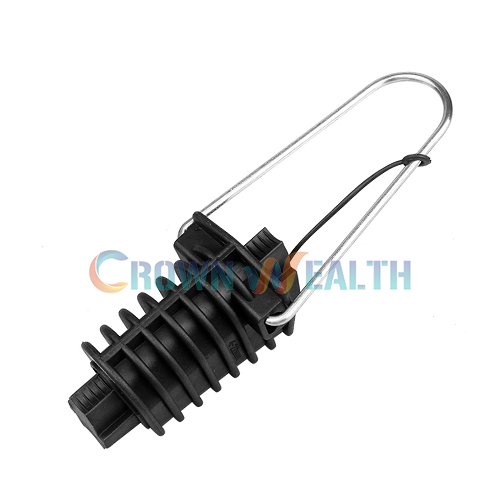
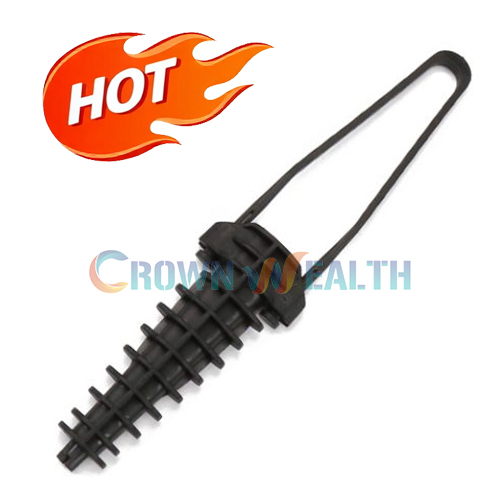
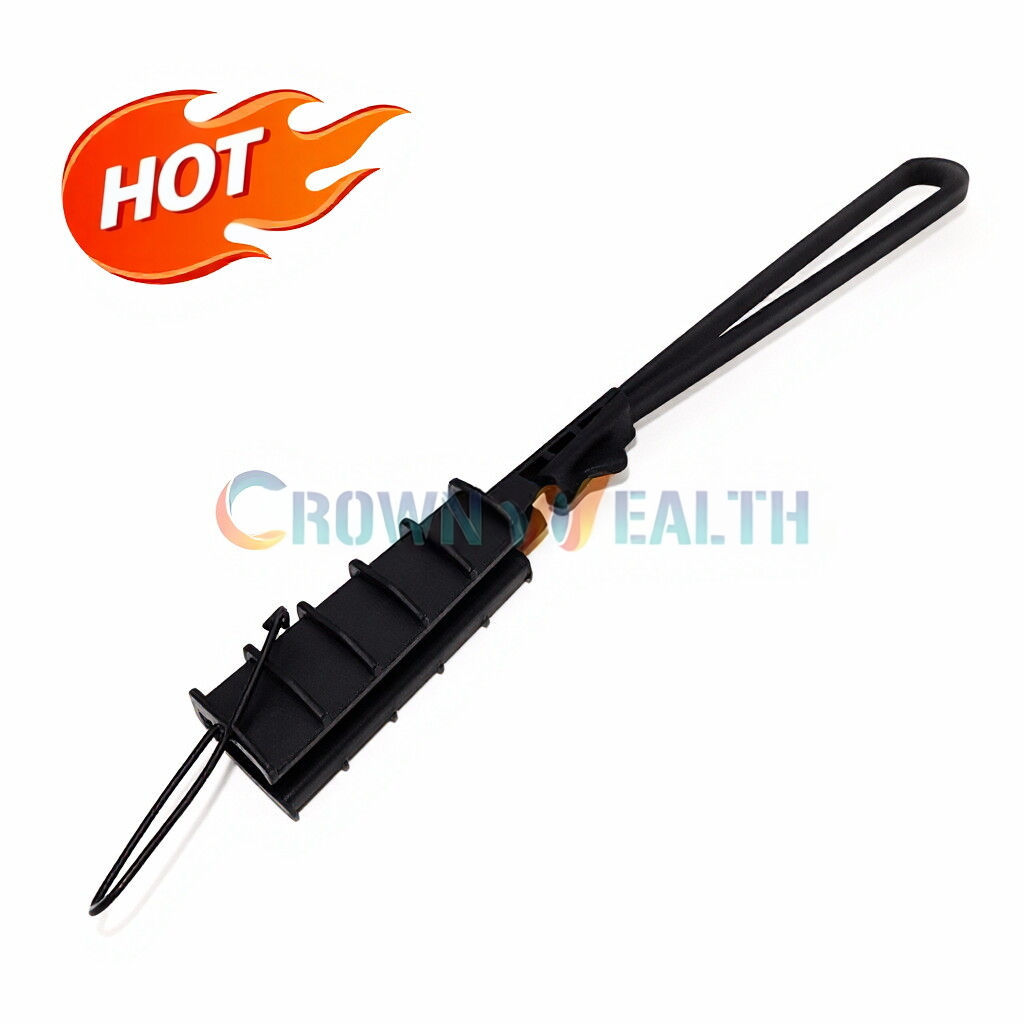
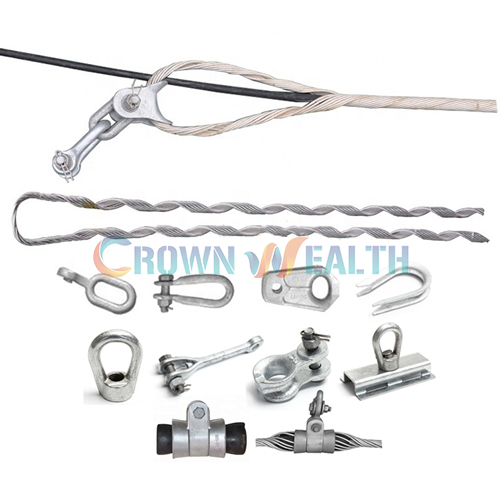
A dead end clamp is an essential hardware component used in overhead power line and telecommunication systems to securely terminate and anchor conductors. Designed to withstand high mechanical tension, it ensures stable line performance, reduces slippage risk, and improves overall network safety.
Whether used in ADSS fiber optic installations, distribution networks, or pole line construction, dead end clamps play a critical role in maintaining long-term reliability in harsh outdoor environments.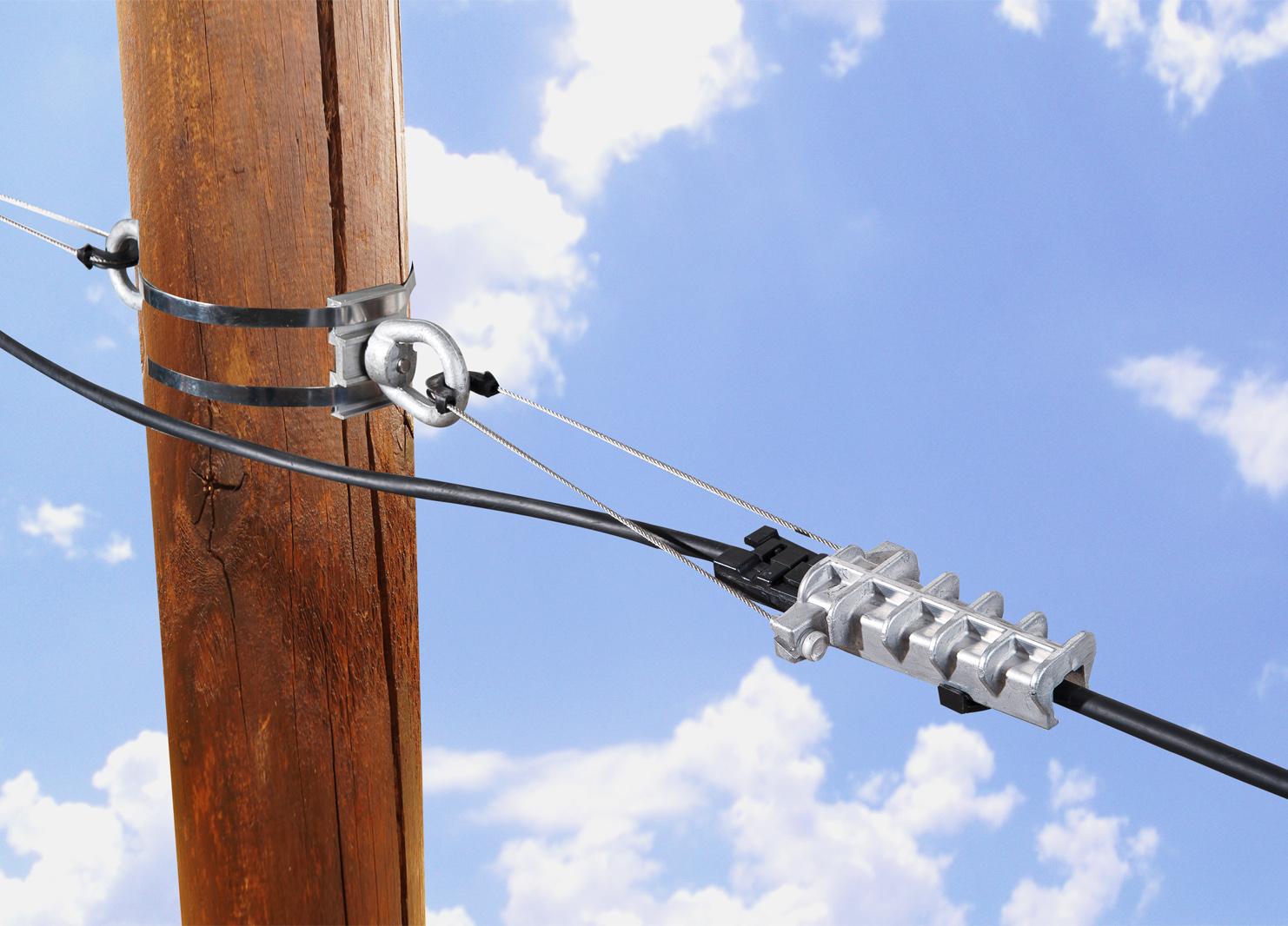
What Is a Dead End Clamp?
A dead end clamp is a mechanical fitting used to grip and secure the end of a conductor or cable. It transfers the mechanical load of the line to a pole, tower, or anchoring structure.
Unlike suspension clamps that support weight vertically, dead end clamps are designed to resist tensile force along the direction of the cable, making them ideal for terminal points, angle poles, and long-span installations.
Key Features of Dead End Clamps
High-quality dead end clamps are engineered for durability and consistent performance in demanding environments:
- High tensile strength for secure cable termination
- Hot dip galvanized or corrosion-resistant finish
- Suitable for aluminum, steel, and ADSS fiber cables
- Uniform gripping pressure to prevent cable damage
- UV and weather resistance for outdoor use
- Easy installation with minimal tools required
These features make them widely used in both utility and telecom infrastructure projects.
Types of Dead End Clamps
Different applications require different clamp designs. Common types include:
Wedge Type Dead End Clamp
Uses wedge-shaped inserts to grip the conductor tightly. Common in power distribution lines.
Bolted Dead End Clamp
Uses bolts to apply uniform pressure on the cable. Offers strong holding force and adjustable tension.
Preformed Dead End Grip
Made from helically formed wires that wrap around the conductor. Frequently used for ADSS fiber optic cable systems due to even stress distribution.
Applications of Dead End Clamps
Dead end clamps are widely used across multiple industries:
- Overhead power transmission and distribution lines
- ADSS and OPGW fiber optic cable installations
- Telecom pole line hardware systems
- Utility pole anchoring and guying systems
- Railway and infrastructure electrification projects
They are especially critical in areas where wind load, ice accumulation, or long span distances create additional mechanical stress.
Materials and Surface Treatment
To ensure long service life, dead end clamps are typically manufactured using:
- Carbon steel for high strength applications
- Aluminum alloy for lightweight installations
- Malleable iron for balanced durability and flexibility
Surface treatments often include:
- Hot dip galvanizing (HDG) for corrosion resistance
- Electro-galvanizing for cost-effective protection
- Stainless steel options for extreme environments
Advantages of Using Dead End Clamps
Using high-quality dead end clamps brings several benefits:
- Enhances overall line stability
- Reduces risk of conductor slippage or breakage
- Extends lifespan of cable systems
- Improves safety of power and telecom networks
- Minimizes maintenance requirements
These advantages make them a preferred choice for engineers and utility contractors worldwide.
Dead End Clamp vs Suspension Clamp
While both are used in overhead line systems, they serve different functions:
- Dead End Clamp: used for terminal points and tension anchoring
- Suspension Clamp: used to support cables mid-span without carrying full tension
Understanding the difference ensures proper hardware selection and system reliability.
Installation Overview
Installation is typically straightforward:
- Position the clamp at the cable termination point
- Insert or wrap the conductor into the gripping section
- Tighten bolts or wedges evenly (depending on type)
- Ensure proper alignment and tension balance
- Secure the clamp to pole or structure hardware
Correct installation is critical to achieving full mechanical performance.
Conclusion
A dead end clamp is a vital component in modern overhead line and fiber optic infrastructure. With its strong gripping force, corrosion resistance, and reliable mechanical design, it ensures safe and stable cable termination across a wide range of applications.
For telecom and power projects, choosing the right clamp type and material directly impacts system performance and long-term durability.