In modern power distribution and telecommunication networks, stability and safety are everything. A pole clamp plays a critical role in ensuring overhead cables, wires, and fittings remain securely attached to utility poles under tension, wind load, and environmental stress. Whether used in electrical transmission, fiber optic deployment, or street lighting systems, a reliable pole clamp ensures long-term structural integrity and reduced maintenance costs.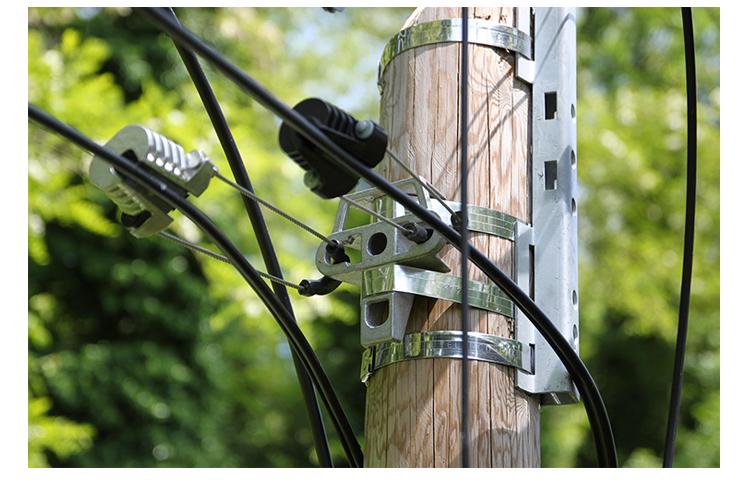
What Is a Pole Clamp?
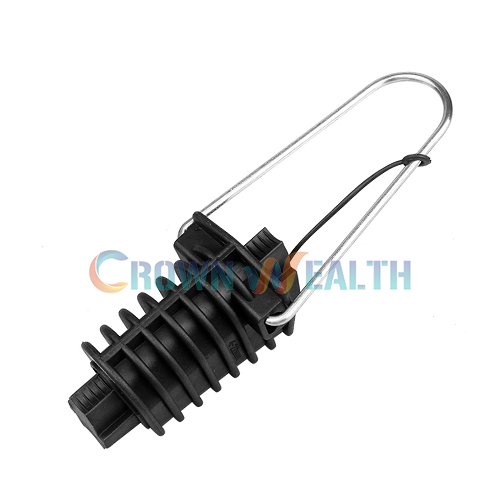
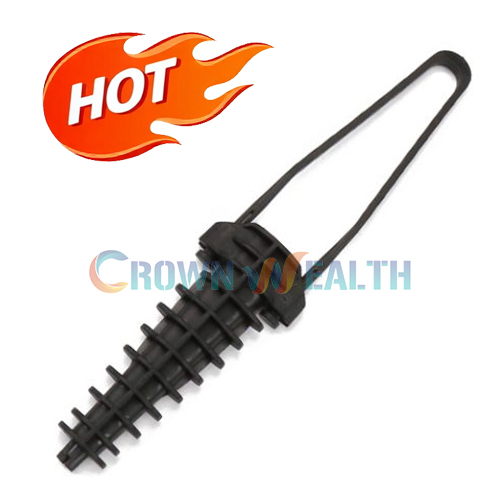
A pole clamp is a mechanical fastening component designed to attach cables, brackets, or hardware directly onto utility poles (wooden, concrete, or steel). It typically wraps around or bolts onto the pole and provides a strong anchoring point for:
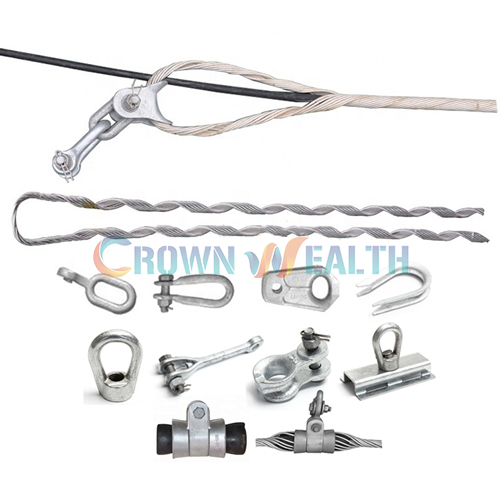
- Suspension clamps
- Dead end clamps
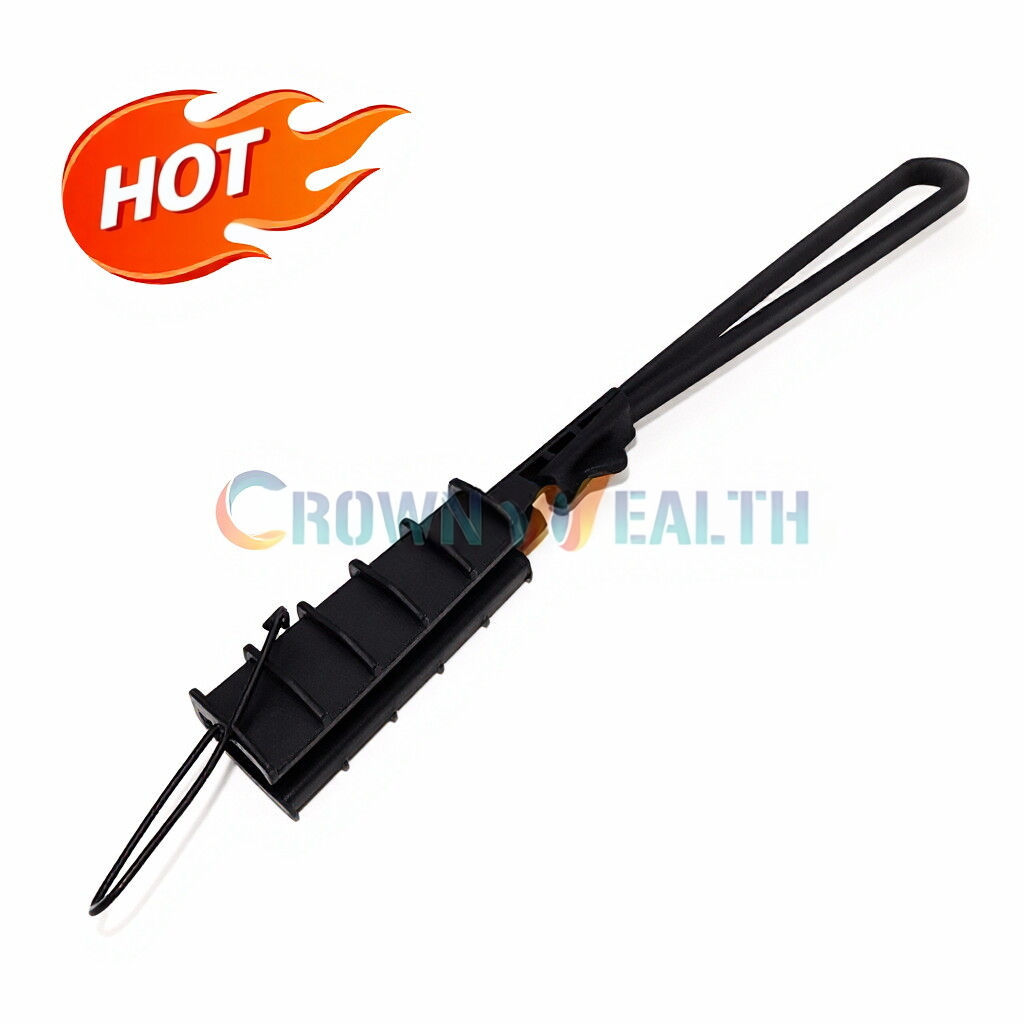
- ADSS fiber cable fittings
- Street lighting arms
- Electrical distribution accessories
Its primary function is to create a stable connection between the pole structure and overhead line systems.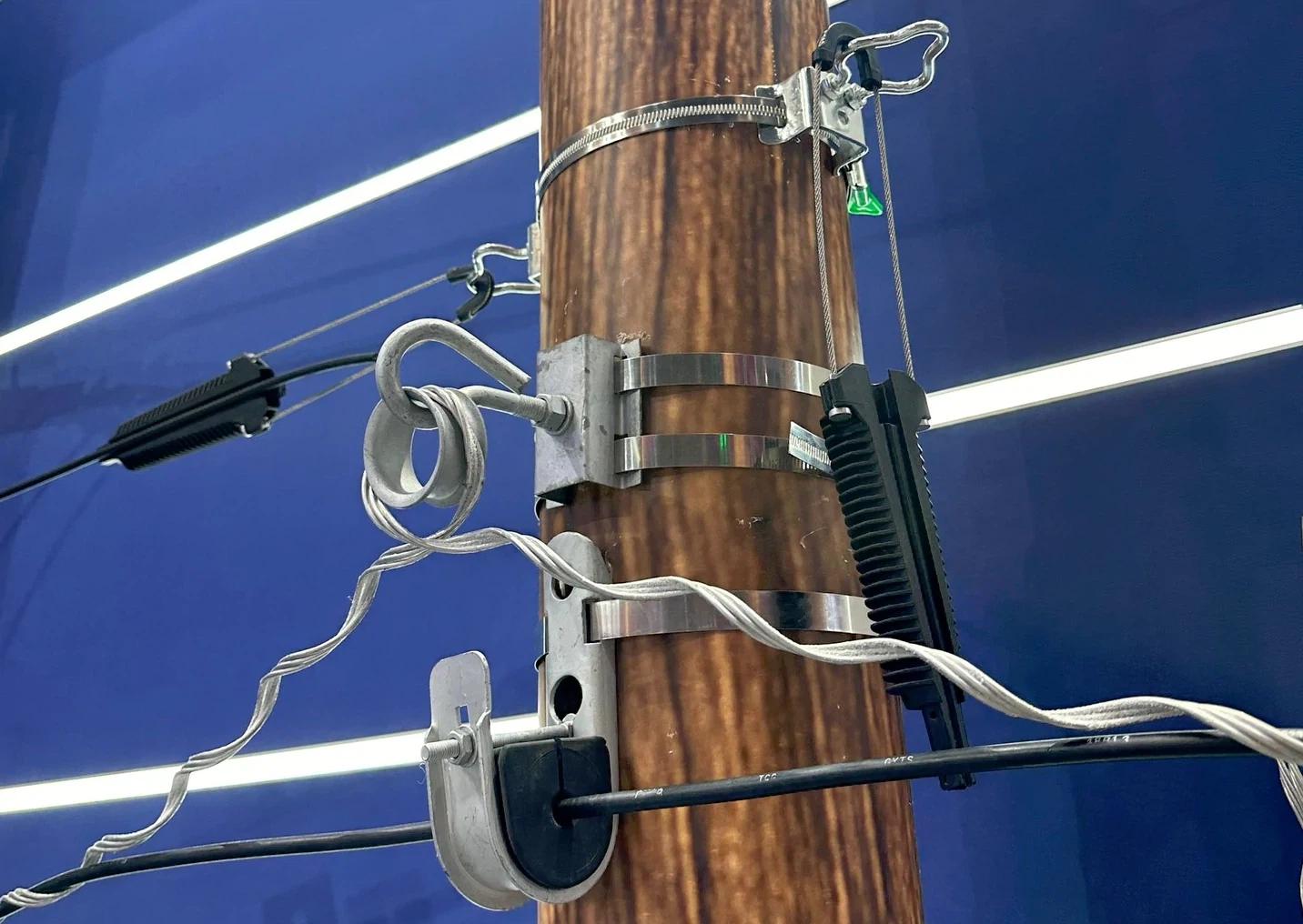
Key Features of High-Quality Pole Clamps
A well-engineered pole clamp is built for harsh outdoor environments and long service life. The main features include:
High Mechanical Strength
Manufactured from carbon steel, ductile iron, or aluminum alloy, pole clamps are designed to withstand high tension loads and vibration from wind or cable movement.
Corrosion Resistance
Most pole clamps are hot-dip galvanized (HDG) to ensure excellent resistance against rust, humidity, and coastal environments.
Universal Compatibility
Compatible with wooden poles, concrete poles, and steel utility structures, and adaptable to different cable diameters and fittings.
Easy Installation
Designed for quick installation using bolts, straps, or banding systems, reducing labor time in field construction.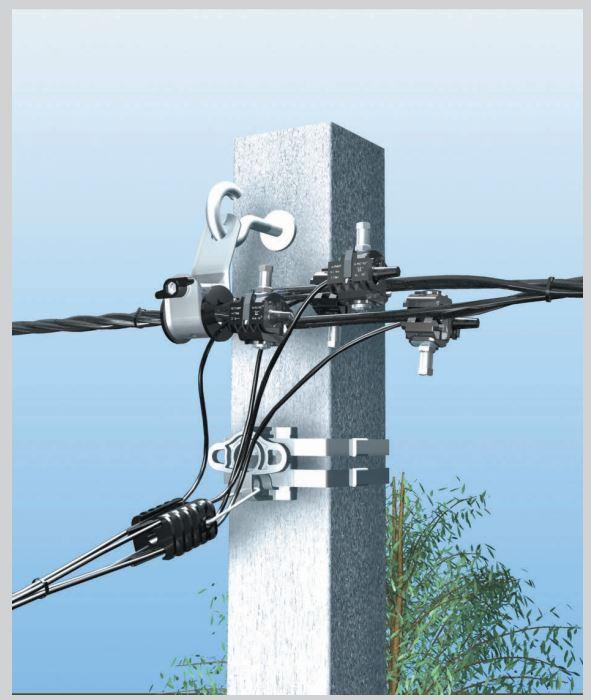
Applications of Pole Clamps
Pole clamps are widely used across multiple infrastructure sectors:
Power transmission and distribution systems
Telecommunication networks and ADSS fiber installations
Street lighting and municipal infrastructure
Industrial and rural electrification projects
Types of Pole Clamps
Different applications require different clamp designs:
Suspension pole clamp for hanging and supporting cables
Dead end pole clamp for anchoring high-tension conductors
Adjustable pole clamp for different pole diameters
Heavy-duty reinforced clamp for extreme load conditions
Materials Used in Manufacturing
High-quality pole clamps are typically made from:
Carbon steel for high strength and cost efficiency
Malleable iron for impact resistance and durability
Aluminum alloy for lightweight and corrosion resistance
Surface treatment options include hot dip galvanizing (ASTM standard), mechanical galvanizing, and powder coating for special environments.
Why Pole Clamp Quality Matters
Choosing a high-quality pole clamp directly impacts the safety and reliability of overhead line systems. Poor-quality clamps may cause cable slippage, structural instability, higher maintenance costs, and potential safety risks.
A well-made clamp ensures long service life, stable performance, and reduced operational risks.
Conclusion
A pole clamp is a small but essential component in modern utility infrastructure. It ensures that overhead electrical and communication systems remain stable, secure, and efficient under demanding environmental conditions. Selecting the right material and surface treatment is key to long-term performance and safety.