Vibration is a common environmental factor that can significantly affect the performance and lifespan of various electrical and communication equipment. When it comes to OPGW (Optical Ground Wire) Strain Clamps, understanding the impact of vibration is crucial for ensuring the reliability of power transmission and communication systems. As a professional OPGW Strain Clamp supplier, I have witnessed firsthand the challenges and solutions related to vibration effects on these essential components.


Understanding OPGW Strain Clamps
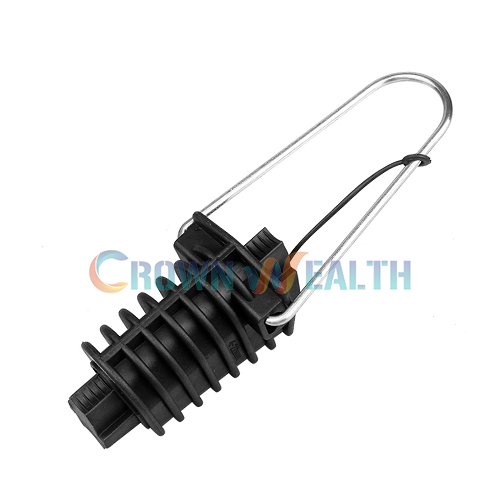
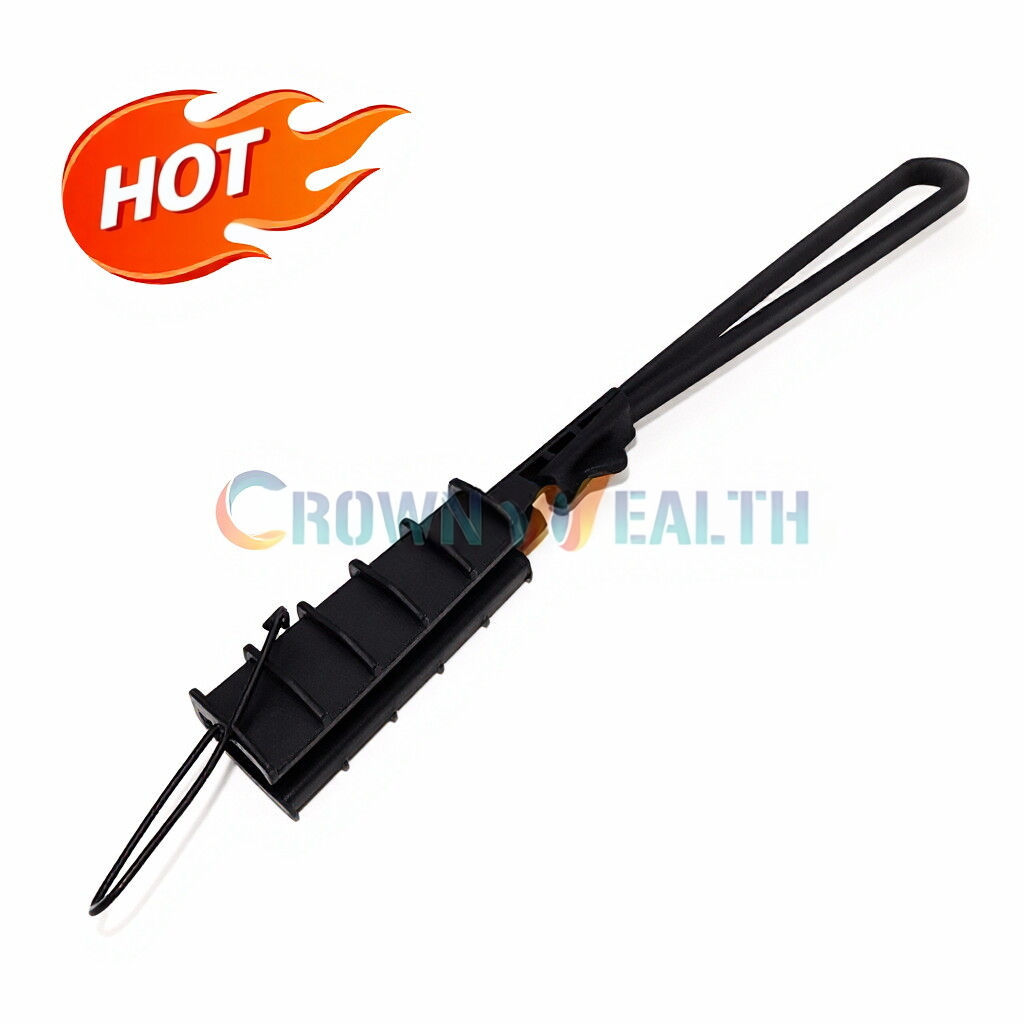
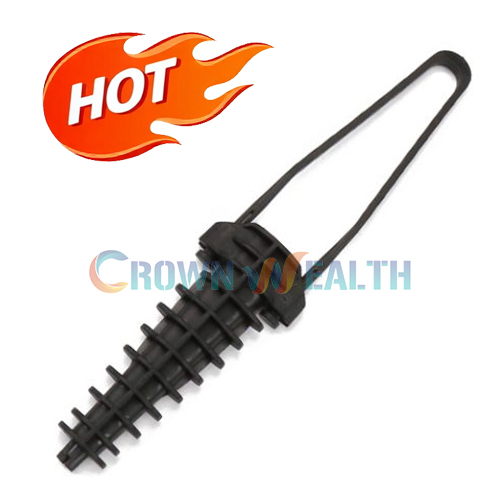
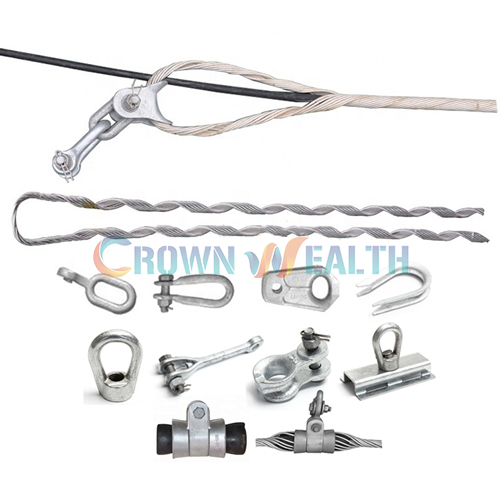
OPGW Strain Clamps are designed to secure OPGW cables at various points along the power transmission line, such as at towers and poles. They play a vital role in maintaining the tension of the OPGW cable, protecting it from mechanical stress, and ensuring the integrity of the optical fiber inside for communication purposes. These clamps are typically made of high - strength materials to withstand the harsh environmental conditions and mechanical forces encountered in the field.
Types of Vibration Affecting OPGW Strain Clamps
There are mainly two types of vibration that can impact OPGW Strain Clamps: aeolian vibration and galloping.
Aeolian vibration is a high - frequency, low - amplitude vibration caused by the wind flowing across the OPGW cable. It usually occurs at frequencies ranging from 5 to 150 Hz and amplitudes of a few millimeters. This type of vibration is very common and can cause fatigue damage to the OPGW Strain Clamp over time.
Galloping, on the other hand, is a low - frequency, high - amplitude vibration. It is typically caused by ice accretion on the OPGW cable, which changes the cable's aerodynamic shape. Galloping can occur at frequencies of 0.1 to 1 Hz and amplitudes of several meters. This extreme form of vibration can lead to severe mechanical stress on the OPGW Strain Clamp and may even cause the clamp to fail suddenly.
Impact of Vibration on OPGW Strain Clamps
Fatigue Damage
One of the most significant impacts of vibration on OPGW Strain Clamps is fatigue damage. The continuous cyclic loading caused by vibration can lead to the initiation and propagation of cracks in the clamp material. Over time, these cracks can grow and eventually cause the clamp to break. Fatigue damage is particularly a concern for aeolian vibration, as the high - frequency nature of this vibration can cause a large number of stress cycles in a relatively short period.
The fatigue life of an OPGW Strain Clamp depends on several factors, including the material properties of the clamp, the amplitude and frequency of the vibration, and the environmental conditions. For example, a clamp made of a high - strength alloy may have a longer fatigue life than one made of a lower - strength material. However, even high - strength materials can be susceptible to fatigue damage if the vibration levels are too high.
Loosening of Clamps
Vibration can also cause the OPGW Strain Clamps to loosen. The repeated movement and stress caused by vibration can gradually reduce the clamping force of the clamp, leading to a loose connection between the clamp and the OPGW cable. A loose clamp can result in increased electrical resistance at the connection point, which can cause overheating and potential damage to the cable and the clamp itself.
In addition, a loose clamp may not be able to maintain the proper tension of the OPGW cable, which can affect the stability of the power transmission line. This can lead to sagging of the cable, which may increase the risk of contact with other objects, such as trees or buildings, and can also cause interference with the optical communication signals.
Wear and Tear
Another impact of vibration on OPGW Strain Clamps is wear and tear. The relative movement between the clamp and the OPGW cable caused by vibration can lead to abrasion of the cable surface and the clamp components. This wear can reduce the thickness of the cable and the clamp, weakening their mechanical strength.
Wear and tear can also expose the internal components of the OPGW cable, such as the optical fibers, to the environment. This can increase the risk of moisture ingress, which can damage the optical fibers and affect the communication performance of the OPGW cable.
Mitigation Strategies
Dampers
One of the most common ways to mitigate the impact of vibration on OPGW Strain Clamps is to use dampers. Dampers are devices that are installed on the OPGW cable near the clamps to absorb the energy of the vibration. There are different types of dampers available, such as Stockbridge dampers and tuned mass dampers.
Stockbridge dampers are the most widely used type of damper for aeolian vibration. They consist of two weights connected by a cable, which is attached to the OPGW cable. The weights oscillate in response to the vibration, absorbing the energy and reducing the amplitude of the vibration.
Tuned mass dampers are more sophisticated devices that are designed to be tuned to the specific frequency of the vibration. They can be more effective in reducing vibration, especially for galloping, but they are also more expensive and complex to install.
Proper Installation and Maintenance
Proper installation and maintenance of OPGW Strain Clamps are also essential for reducing the impact of vibration. During installation, it is important to ensure that the clamps are tightened to the correct torque specifications. This will help to maintain the proper clamping force and reduce the risk of loosening due to vibration.
Regular maintenance should also be carried out to inspect the clamps for signs of damage, such as cracks, wear, and loosening. Any damaged clamps should be replaced immediately to prevent further problems.
Our Products and Solutions
As an OPGW Strain Clamp supplier, we offer a wide range of high - quality products that are designed to withstand the impact of vibration. Our OPGW Preformed Helical Tension Clamp is made of high - strength materials and has a unique design that provides excellent clamping force and resistance to fatigue.
In addition to our strain clamps, we also offer other related products, such as Aluminum Alloy Optical Cable Splice Box and OPGW Cable Storage. These products are designed to work together to provide a complete solution for power transmission and communication systems.
We also provide technical support and advice to our customers on how to mitigate the impact of vibration on their OPGW Strain Clamps. Our team of experts can help you select the right products for your specific application and provide guidance on installation and maintenance.
Conclusion
Vibration can have a significant impact on the performance and lifespan of OPGW Strain Clamps. Fatigue damage, loosening of clamps, and wear and tear are some of the main problems caused by vibration. However, by using appropriate mitigation strategies, such as dampers and proper installation and maintenance, these problems can be minimized.
As a reliable OPGW Strain Clamp supplier, we are committed to providing high - quality products and solutions to our customers. If you are looking for OPGW Strain Clamps or other related products, please feel free to contact us for more information and to discuss your specific requirements. We look forward to working with you to ensure the reliability and efficiency of your power transmission and communication systems.
References
- IEEE Std 1138-2014, IEEE Standard for Design and Test of Static Wire and Optical Ground Wire (OPGW) Aeolian Vibration Dampers.
- CIGRE Technical Brochure 600, Galloping of Overhead Lines: State - of - the - Art and Research Needs.
- EPRI Report, Fatigue Life Assessment of Transmission Line Hardware.