Preformed Armor Rods (PARs) are essential components in the electrical and cable industries, playing a crucial role in protecting cables from mechanical stress, abrasion, and vibration. As a leading supplier of Preformed Armor Rods, I often encounter inquiries about the maximum tension these rods can withstand. In this blog post, I will delve into the factors that determine the maximum tension capacity of Preformed Armor Rods, the testing methods used to evaluate their performance, and how this information is vital for various applications.
Understanding Preformed Armor Rods
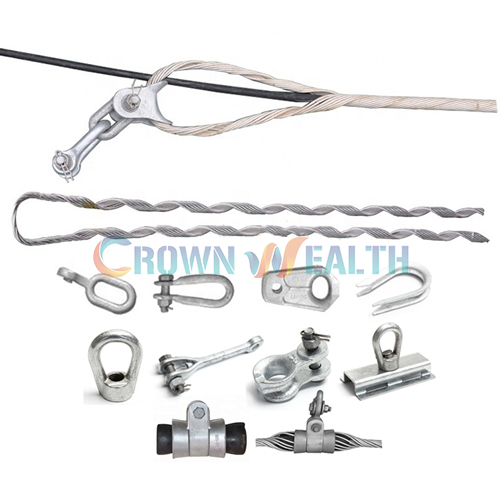
Preformed Armor Rods are helically shaped wire strands that are pre - formed and then wrapped around cables. They are typically made from materials such as aluminum, steel, or a combination of both, depending on the specific requirements of the application. The primary functions of PARs include distributing the load evenly along the cable, protecting the cable from external damage, and providing additional support to prevent cable breakage.
Factors Affecting the Maximum Tension of Preformed Armor Rods
Material Properties
The material used in the manufacture of Preformed Armor Rods is a significant determinant of their maximum tension capacity. Different materials have different mechanical properties, such as yield strength, ultimate tensile strength, and modulus of elasticity.
Aluminum PARs are lightweight and corrosion - resistant, making them suitable for applications where weight is a concern. However, their tensile strength is generally lower compared to steel PARs. Steel PARs, on the other hand, offer higher tensile strength and are often used in high - tension applications, such as overhead power transmission lines.
Rod Dimensions
The diameter and length of the Preformed Armor Rods also play a crucial role in determining their maximum tension capacity. Thicker rods generally have a higher tensile strength and can withstand greater tension. Additionally, the length of the rods affects how the tension is distributed along the cable. Longer rods can distribute the load more evenly, reducing the stress concentration at any single point.
Installation Method
Proper installation of Preformed Armor Rods is essential for achieving their maximum tension capacity. The rods must be wrapped tightly around the cable in a uniform manner to ensure effective load distribution. If the rods are not installed correctly, there may be areas of stress concentration, which can lead to premature failure of the rods or the cable.
Testing the Maximum Tension Capacity
To determine the maximum tension that Preformed Armor Rods can withstand, various testing methods are employed. One of the most common methods is the tensile test. In a tensile test, a sample of the Preformed Armor Rod is placed in a testing machine, and a gradually increasing tensile force is applied until the rod fails. The maximum force applied at the point of failure is recorded as the ultimate tensile strength of the rod.
Another important test is the cable - rod combination test. In this test, the Preformed Armor Rods are installed on a cable, and the entire assembly is subjected to a tensile load. This test simulates real - world conditions and helps to evaluate how well the rods perform when they are in actual use.
Applications and Importance of Knowing the Maximum Tension
Overhead Power Transmission Lines
In overhead power transmission lines, Preformed Armor Rods are used to protect the conductors from wind - induced vibration and mechanical stress. Knowing the maximum tension capacity of the PARs is crucial for ensuring the reliability and safety of the power grid. If the rods are not able to withstand the tension caused by the weight of the conductors, wind forces, and ice loading, it can lead to conductor breakage and power outages.


Telecommunication Cables
Preformed Armor Rods are also used in telecommunication cables to protect them from damage. In underground and aerial cable installations, the rods help to prevent the cable from being damaged by external forces, such as digging or wind. Understanding the maximum tension capacity of the PARs ensures that the cables are adequately protected throughout their service life.
Related Products and Their Roles
In addition to Preformed Armor Rods, our company also offers other protective fittings that work in tandem to ensure the safety and reliability of cables. For example, Vibration Damper is designed to reduce the vibration of cables, which can cause fatigue and damage over time. By minimizing cable vibration, the vibration damper helps to extend the service life of the cables and the Preformed Armor Rods.
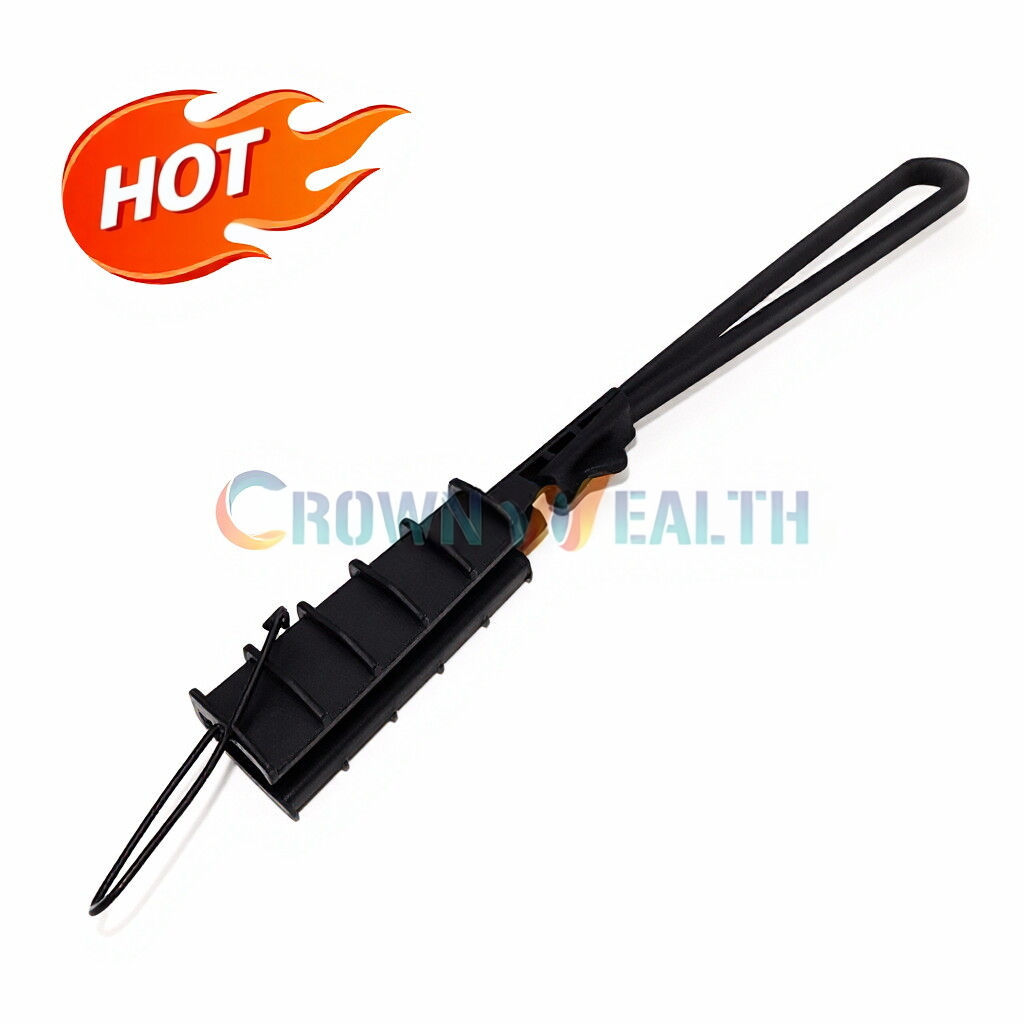
Cable Guy Grips are used to secure the cables to the supporting structures. They provide additional support and prevent the cables from moving or swaying, which can put extra stress on the Preformed Armor Rods.
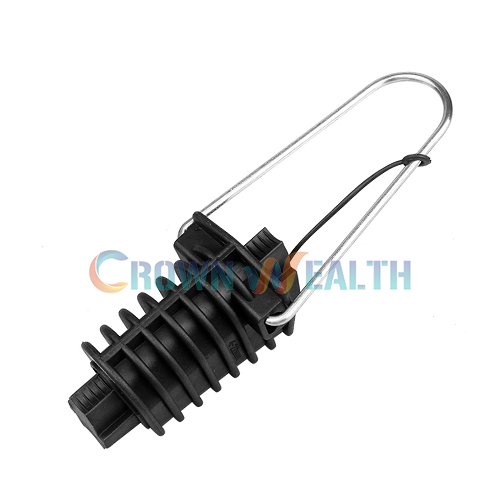
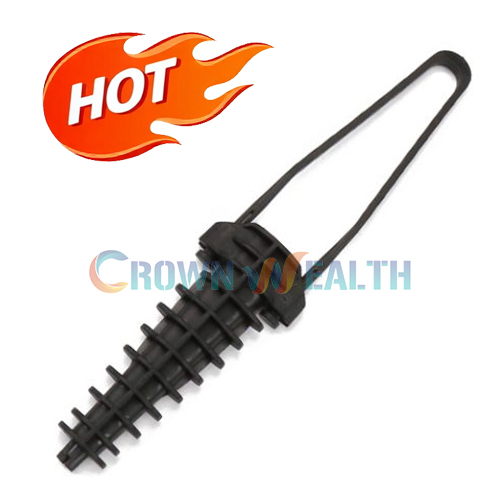
Preformed Dead End Guy Grips are used at the end of the cables to anchor them securely. They are designed to withstand high tension and ensure that the cables are properly terminated.
Conclusion
In conclusion, the maximum tension that Preformed Armor Rods can withstand is determined by a combination of factors, including material properties, rod dimensions, and installation method. Through proper testing and understanding of these factors, we can ensure that the PARs are used effectively in various applications.
As a supplier of Preformed Armor Rods, we are committed to providing high - quality products that meet the specific requirements of our customers. Our team of experts can help you select the right type of PARs and other protective fittings for your project, ensuring the safety and reliability of your cables.
If you are interested in purchasing Preformed Armor Rods or any of our related products, we invite you to contact us for a detailed discussion. Our sales team is ready to assist you with your procurement needs and provide you with the best solutions for your applications.
References
- “Electrical Transmission and Distribution Reference Book.” Westinghouse Electric Corporation.
- ASTM International standards related to Preformed Armor Rods and cable accessories.