In the realm of food processing, ensuring product quality is of utmost importance. Every step in the production line, from raw material handling to the final packaging, plays a crucial role in delivering a safe and high - quality product to consumers. One often - overlooked component that significantly impacts product quality is the vibration damper. As a vibration damper supplier, I have witnessed firsthand how these devices contribute to the overall quality of food products.
The Role of Vibration in Food Processing Machines
Food processing machines are complex systems that involve various moving parts, such as conveyors, mixers, grinders, and pumps. These moving parts generate vibrations during operation. While some level of vibration is inevitable, excessive or uncontrolled vibrations can lead to a multitude of problems.
Firstly, vibrations can cause mechanical wear and tear on the machine components. This includes the loosening of bolts, misalignment of parts, and premature failure of bearings and other critical elements. For example, in a high - speed mixer, vibrations can cause the blades to become misaligned, resulting in uneven mixing of ingredients. This not only affects the consistency of the food product but also reduces the efficiency and lifespan of the machine.
Secondly, vibrations can have a direct impact on the food product itself. In processes like filling and packaging, vibrations can cause spillage, inaccurate dosing, and inconsistent product weights. For instance, in a liquid filling machine, excessive vibrations can lead to over - filling or under - filling of containers, which is a major quality control issue. Moreover, vibrations can also cause the separation of ingredients in a multi - component food product, such as a sauce with chunks of vegetables or a salad dressing with oil and vinegar. This separation can make the product look unappealing and affect its taste and texture.
How Vibration Dampers Work
Vibration dampers are designed to reduce or eliminate unwanted vibrations in food processing machines. They work on the principle of absorbing or dissipating the energy generated by vibrations. There are several types of vibration dampers available, each with its own unique working mechanism.


One common type is the rubber - based vibration damper. Rubber has excellent damping properties, which means it can absorb and dissipate vibration energy effectively. These dampers are often used in applications where low - frequency vibrations need to be controlled. For example, in a conveyor system, rubber vibration dampers can be installed at the support points to reduce the vibrations caused by the movement of the conveyor belt. The rubber material deforms under the action of vibrations, converting the kinetic energy of the vibrations into heat energy, which is then dissipated into the surrounding environment.
Another type is the hydraulic vibration damper. Hydraulic dampers use a fluid - filled chamber and a piston to control vibrations. When a vibration occurs, the piston moves within the chamber, forcing the fluid to flow through small orifices. The resistance created by the fluid flow dissipates the vibration energy. Hydraulic dampers are particularly effective in handling high - frequency and high - amplitude vibrations. For example, in a high - speed food cutting machine, a hydraulic vibration damper can be used to reduce the vibrations generated by the cutting blade, ensuring a smooth and precise cutting operation.
Ensuring Product Quality through Vibration Dampers
Consistent Product Dimensions and Weights
As mentioned earlier, vibrations can cause inaccurate dosing and inconsistent product weights in filling and packaging processes. By installing vibration dampers in these machines, the vibrations are minimized, allowing for more precise control of the filling and weighing operations. For example, in a powder filling machine, a vibration damper can reduce the vibrations that might cause the powder to settle unevenly or to be ejected from the filling nozzle. This results in products with consistent weights and dimensions, which is essential for meeting quality standards and ensuring customer satisfaction.
Improved Product Appearance
Vibrations can also affect the appearance of food products. In processes like baking or confectionery, vibrations can cause the products to crack, deform, or have an uneven surface. Vibration dampers can help to eliminate these issues by providing a stable operating environment for the machines. For instance, in a cake baking oven, a vibration damper can reduce the vibrations caused by the movement of the oven racks or the operation of the heating elements. This ensures that the cakes bake evenly and have a smooth, unblemished surface.
Preservation of Ingredient Integrity
In multi - component food products, vibrations can cause the separation of ingredients. Vibration dampers can prevent this by reducing the mechanical agitation that leads to ingredient separation. For example, in a mayonnaise production line, a vibration damper can be installed in the mixing and homogenizing equipment to ensure that the oil and water phases remain emulsified. This preserves the texture and taste of the mayonnaise, making it a high - quality product.
Our Vibration Damper Products
As a vibration damper supplier, we offer a wide range of products to meet the diverse needs of the food processing industry. Our Square Spacer Damper is a versatile solution for reducing vibrations in various machine components. It is made of high - quality materials that provide excellent damping performance and durability. The square shape allows for easy installation and adjustment, making it suitable for different types of food processing machines.
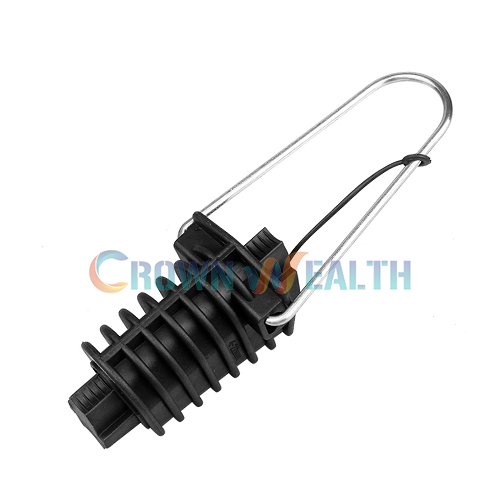
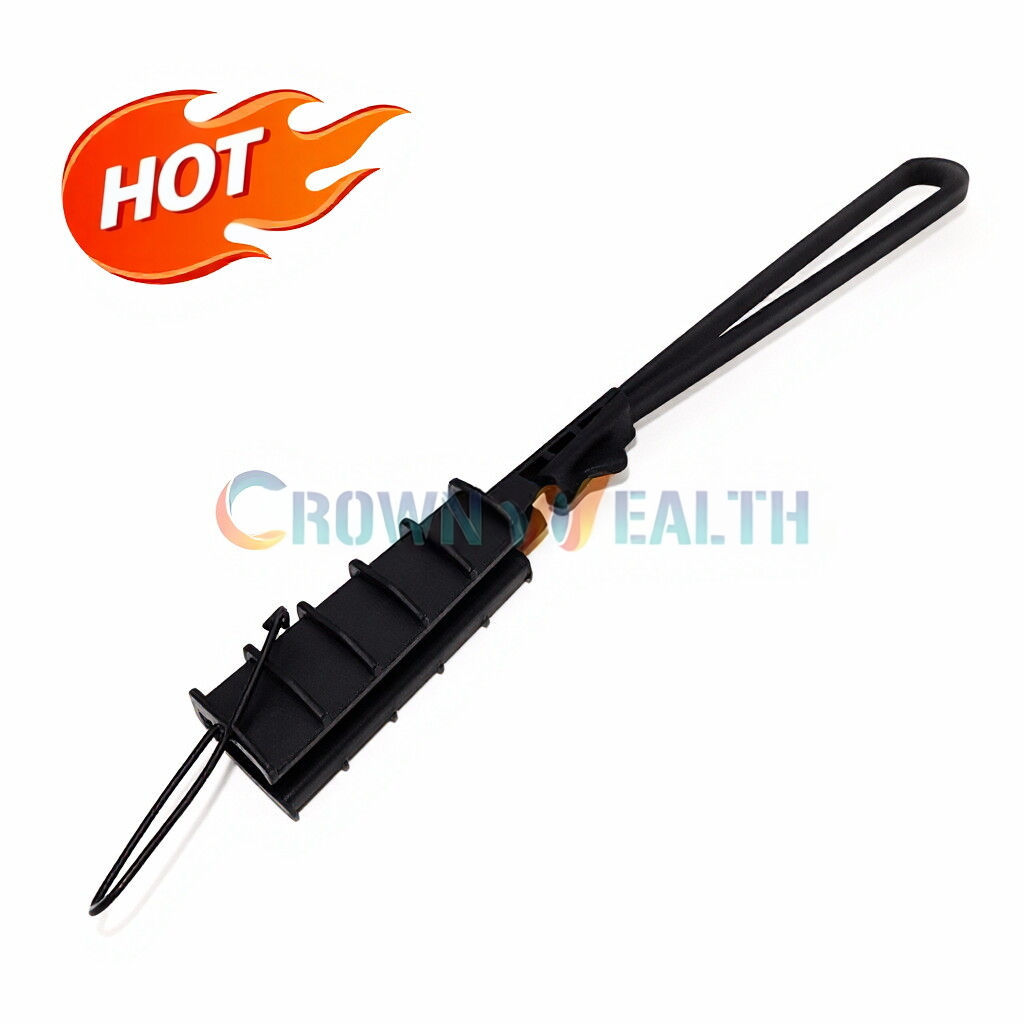
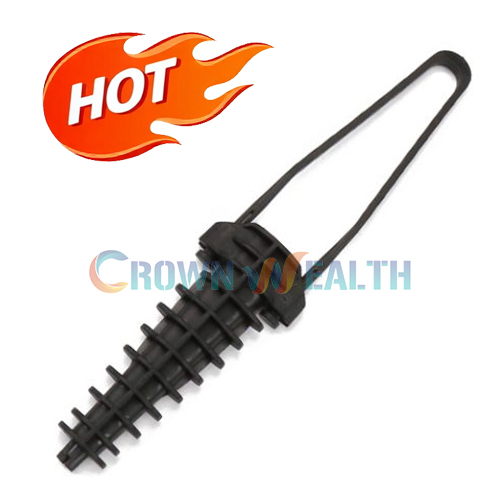
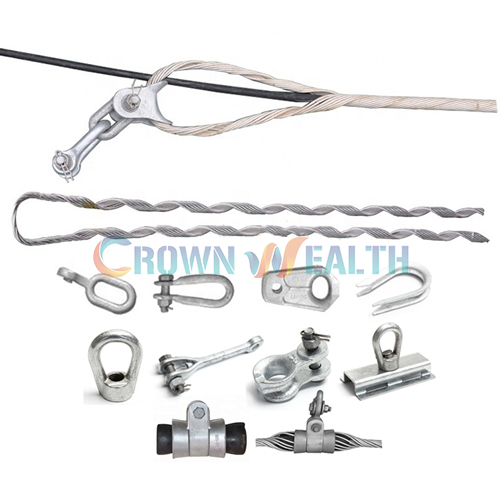
Our Preformed Dead End Guy Grips are designed to provide reliable support and vibration damping in conveyor systems and other long - span structures. These grips are pre - formed to fit specific cable sizes, ensuring a secure and stable connection. They can effectively reduce the vibrations caused by the movement of the conveyor belt or the tension in the cables, improving the overall stability and performance of the system.
In addition, our Tuning Fork Vibration Damper is a specialized product for high - frequency vibration control. It uses a unique tuning fork design to resonate at specific frequencies, effectively absorbing and dissipating the vibration energy. This damper is ideal for use in high - speed food processing machines, such as blenders and grinders, where high - frequency vibrations are common.
Conclusion
In conclusion, vibration dampers play a vital role in ensuring the quality of food products in the food processing industry. By reducing or eliminating unwanted vibrations, they help to maintain consistent product dimensions and weights, improve product appearance, and preserve the integrity of ingredients. As a vibration damper supplier, we are committed to providing high - quality products that meet the strict requirements of the food processing industry. If you are looking for reliable vibration damping solutions for your food processing machines, we invite you to contact us for further discussion and procurement. We are confident that our products can help you improve the quality of your food products and enhance the efficiency of your production processes.
References
- Norton, R. L. (2004). Machine Design: An Integrated Approach. Prentice Hall.
- Harris, C. M., & Crede, C. E. (1976). Shock and Vibration Handbook. McGraw - Hill.
- Blevins, R. D. (1979). Flow - Induced Vibration. Van Nostrand Reinhold.