Hey there! As a supplier of Cable Storage Assemblies, I often get asked about the dust-proof performance of these nifty gadgets. So, I thought I'd take a deep dive into this topic and share everything you need to know.
Let's start by understanding what a Cable Storage Assembly is. It's basically a device designed to neatly organize and store cables. Whether it's in a data center, a telecommunications room, or even in your home office, these assemblies keep cables in place, preventing tangles and making maintenance a whole lot easier. But when it comes to their dust-proof performance, there's more to it than meets the eye.
Why Dust-Proofing Matters
Dust might seem like a minor nuisance, but it can actually cause some serious problems for cable systems. When dust accumulates on cables and within cable storage assemblies, it can lead to overheating. You see, dust acts as an insulator, trapping heat that would otherwise dissipate. This can increase the temperature of the cables, which in turn can degrade the insulation and potentially lead to electrical failures.
Moreover, dust can also cause mechanical issues. It can get into the moving parts of cable management components, such as cable trays and racks, causing them to jam or wear out faster. And let's not forget about the impact on signal quality. In fiber optic cables, even a tiny amount of dust can scatter light signals, leading to signal loss and reduced performance.
Factors Affecting Dust-Proof Performance
Now, let's talk about what affects the dust-proof performance of a Cable Storage Assembly.
Design
The design of the assembly plays a crucial role. A well-designed assembly will have features that prevent dust from entering. For example, sealed enclosures can be a great way to keep dust out. These enclosures are typically made of materials like plastic or metal and are designed to fit tightly around the cables. Some assemblies also have gaskets or seals around the edges to provide an extra layer of protection.
Another design feature to look for is cable routing. Assemblies that have well-defined cable paths can help reduce the amount of dust that settles on the cables. By keeping the cables organized and away from open spaces where dust can accumulate, you can minimize the risk of dust-related problems.


Materials
The materials used in the construction of the Cable Storage Assembly also matter. Some materials are more resistant to dust than others. For instance, smooth surfaces are less likely to attract and hold dust compared to rough or porous surfaces. That's why many high-quality assemblies are made of materials like aluminum or stainless steel, which have smooth finishes.
In addition, the type of cable used can also affect dust-proof performance. For example, fiber optic cables are generally more sensitive to dust than copper cables. So, if you're using fiber optic cables in your assembly, you'll need to take extra precautions to keep them clean.
Location
Where the Cable Storage Assembly is located can have a significant impact on its dust-proof performance. If the assembly is installed in a dusty environment, such as a construction site or a factory, it will be exposed to more dust than if it were installed in a clean room. In these cases, you may need to choose an assembly with a higher level of dust protection or take additional measures to protect the assembly, such as using air filters or enclosing it in a dust-proof cabinet.
Assessing Dust-Proof Performance
So, how do you know if a Cable Storage Assembly has good dust-proof performance? There are a few ways to assess this.
IP Rating
One of the most common ways to measure dust-proof performance is by looking at the IP (Ingress Protection) rating. The IP rating is a two-digit code that indicates the level of protection provided by the assembly against solid objects (such as dust) and liquids. The first digit represents the protection against solids, with a higher number indicating better protection. For example, an IP5X rating means that the assembly is protected against dust ingress to a degree that is unlikely to affect its operation, while an IP6X rating means that the assembly is completely dust-tight.
Testing
Another way to assess dust-proof performance is through testing. Some manufacturers conduct dust testing on their assemblies to simulate real-world conditions. These tests typically involve exposing the assembly to a controlled amount of dust and then measuring the amount of dust that enters the assembly. The results of these tests can give you a good idea of how well the assembly will perform in a dusty environment.
Our Cable Storage Assemblies
At our company, we take dust-proof performance seriously. Our Cable Storage Assemblies are designed with the latest technology and high-quality materials to provide excellent dust protection.
We use sealed enclosures and gaskets to prevent dust from entering the assembly. Our assemblies also have smooth surfaces that are easy to clean and don't attract dust. In addition, we offer a range of IP-rated assemblies to suit different environments, from clean rooms to industrial settings.
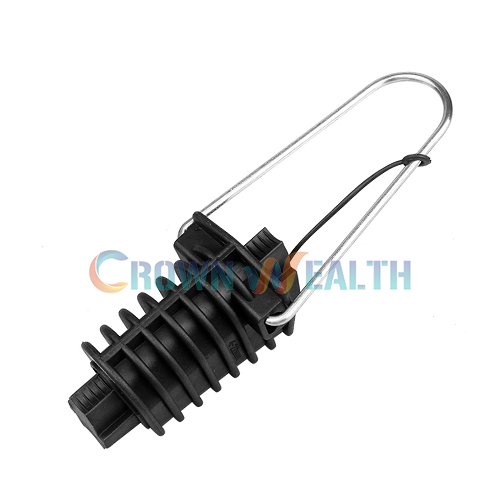
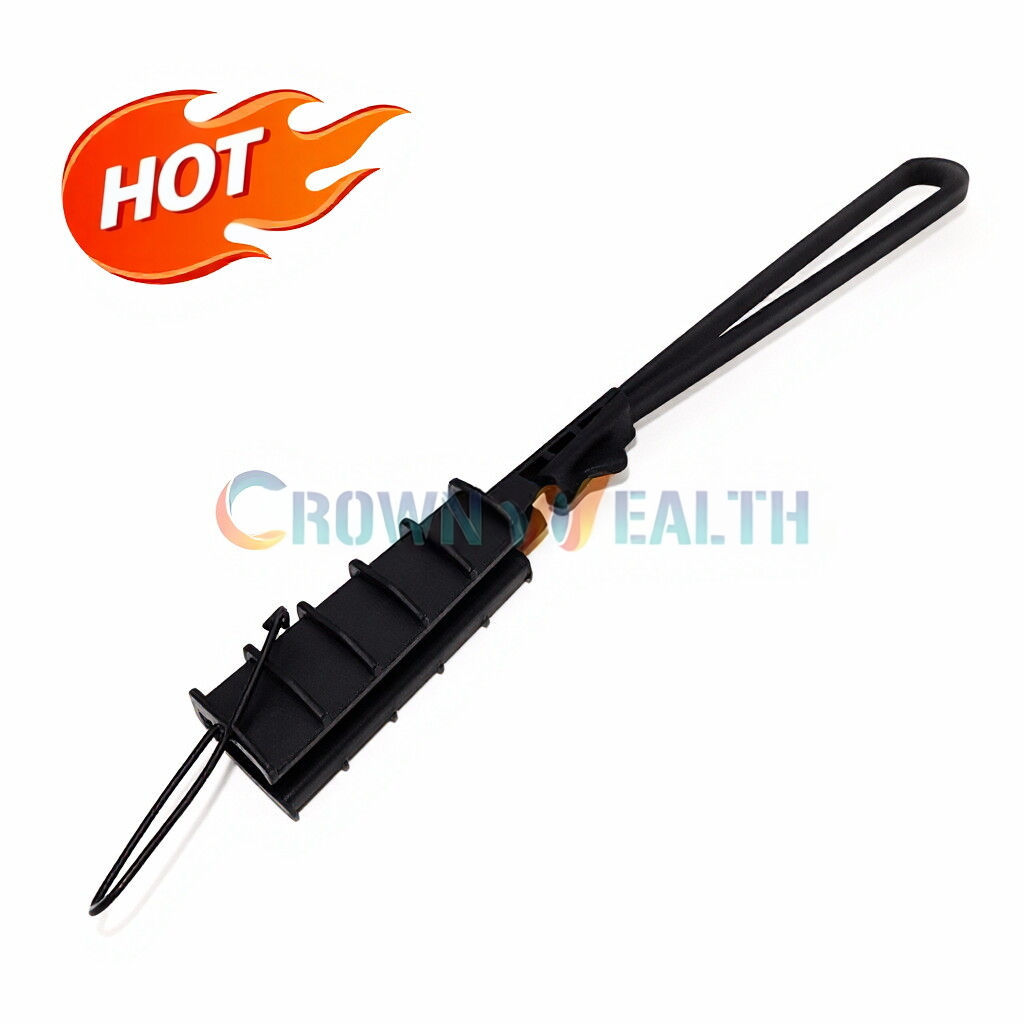
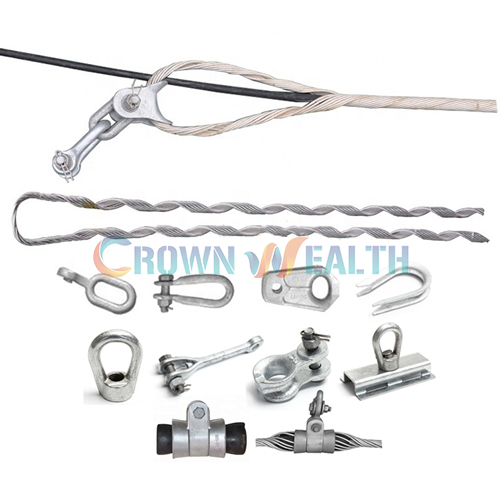
And if you're using fiber optic cables in your assembly, we've got you covered. Our assemblies are designed to minimize the risk of dust-related signal loss. We also offer accessories like OPGW Strain Clamp, Aluminum Alloy Joint Box, and OPGW Preformed Helical Tension Clamp that are specifically designed for fiber optic cable management and can help keep your cables clean and protected.
Contact Us for Procurement
If you're in the market for a high-quality Cable Storage Assembly with excellent dust-proof performance, we'd love to hear from you. Whether you're a small business looking to organize your office cables or a large corporation in need of a custom solution for your data center, we have the expertise and products to meet your needs.
Don't let dust cause problems for your cable systems. Contact us today to discuss your requirements and get a quote. We're here to help you find the perfect Cable Storage Assembly for your application.
References
- "Cable Management Best Practices," Electrical Safety Foundation International
- "Fiber Optic Cable Installation and Maintenance," Telecommunications Industry Association