Are Armor Rods fire-resistant?
Hey there! I'm an armor rods supplier, and today we're diving into the burning question: Are armor rods fire-resistant? Let's dig deep and find out what's what.
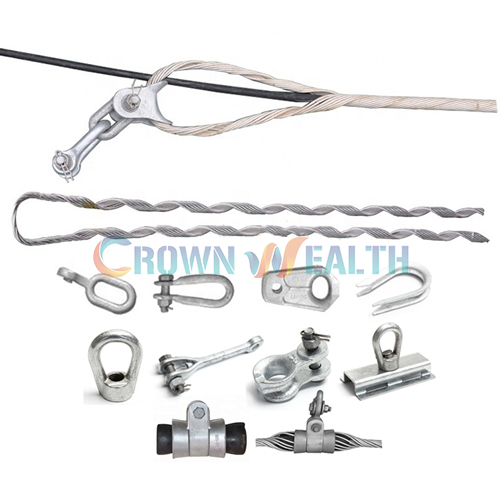
First off, let's get to know armor rods a bit better. Armor rods are those nifty little things used to protect cables from mechanical damage, vibration, and wear. They're often made from materials like aluminum, steel, or a combo of both. These rods are pre - formed and can be wrapped around cables to distribute the stress evenly, increasing the cable's lifespan.
Now, when it comes to fire resistance, it all boils down to the materials they're made of. Aluminum armor rods, for example, have some interesting properties. Aluminum has a relatively low melting point compared to steel, around 660 degrees Celsius (1220 degrees Fahrenheit). When exposed to high heat or fire, aluminum will start to soften and eventually melt. But here's the thing, it doesn't catch fire easily. Aluminum forms a thin oxide layer on its surface when exposed to air, and this layer acts as a bit of a shield, preventing it from combusting rapidly.
Steel armor rods, on the other hand, are a whole different ballgame. Steel has a much higher melting point, usually around 1370 - 1510 degrees Celsius (2500 - 2750 degrees Fahrenheit). It's a lot more heat - resistant than aluminum. In a fire situation, steel armor rods are more likely to maintain their structural integrity for a longer period. However, just like aluminum, steel doesn't burn in the traditional sense. It can get extremely hot and lose its strength over time, but it won't burst into flames.
But we can't just look at the raw materials. The manufacturing process also plays a huge role. Some armor rods might have special coatings or treatments that enhance their fire - resistant properties. For instance, a heat - resistant paint or a ceramic coating can be applied to slow down the heat transfer and protect the underlying material.
In real - world scenarios, the fire - resistance of armor rods is super important. Think about power transmission cables. These cables are often exposed to all sorts of environmental hazards, and in the event of a wildfire or an industrial fire, the integrity of the cables is crucial to maintain power supply. Armor rods that can withstand high temperatures for a reasonable amount of time can prevent the cables from getting damaged too quickly, which is a big win for everyone.
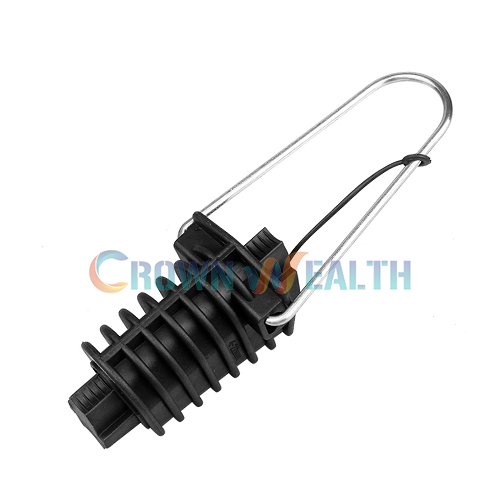
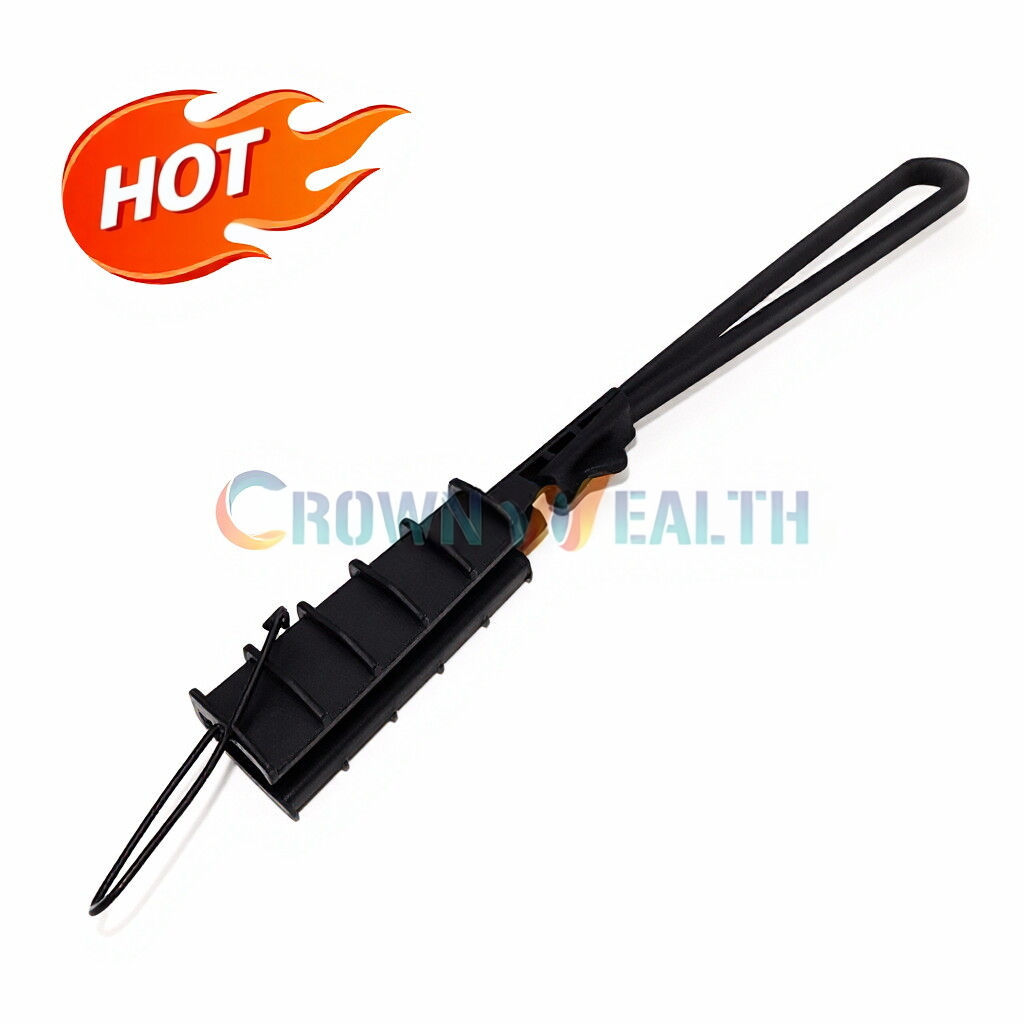
Let's talk about some related products that are also important in the cable protection game. If you're interested in other cable accessories, you might want to check out Cable Guy Grips. These grips are used to secure cables and provide additional support. They're designed to handle different types of cables and can be a great addition to your cable protection setup.
Another cool product is Preormed Armor. This pre - formed armor is similar to armor rods but might have a different shape or application method. It can offer excellent protection against abrasion and mechanical damage, and depending on the material, it can also have some level of fire resistance.
And then there are Dead End Guy Grips. These grips are essential for terminating cables at the end points. They ensure a secure connection and can also contribute to the overall safety and stability of the cable system, especially in high - stress situations.
So, to answer the question, are armor rods fire - resistant? Well, it depends. They're not completely fireproof, but they can have varying degrees of fire resistance based on the materials they're made of, the manufacturing process, and any additional treatments. In most cases, they'll hold up better than the cables they're protecting in a fire situation, which is a huge plus.
If you're in the market for armor rods or any of the related products I mentioned, I'm here to help. Whether you're working on a small - scale project or a large - scale industrial installation, I can provide you with high - quality products. I've got a wide range of options in terms of materials, sizes, and specifications to meet your specific needs.


Don't hesitate to reach out if you have any questions or want to discuss your requirements. I'm always happy to have a chat and find the best solutions for you.
References
- General knowledge of cable protection materials and their properties
- Industry standards and research on the fire - resistance of metals used in cable accessories