As a seasoned OPGW fitting supplier, I've witnessed firsthand the critical role these components play in the stability and longevity of power and communication networks. One of the most challenging elements that OPGW fittings must withstand is ice accumulation. In this blog, I'll delve into the concept of ice resistance in OPGW fittings, exploring its importance, the factors that influence it, and how our products are designed to excel in icy conditions.
The Significance of Ice Resistance in OPGW Fittings
OPGW, or Optical Power Ground Wire, combines the functions of a power line ground wire and an optical fiber cable, providing both electrical grounding and high - speed data transmission. OPGW fittings, such as clamps and cable storage assemblies, are essential for securing the OPGW cable in place along the power grid.
Ice accumulation on power lines is a common and severe problem in many regions, especially in cold climates. When ice forms on OPGW cables, it adds significant weight, which can lead to increased mechanical stress on the fittings. If the fittings lack sufficient ice resistance, they may fail under the additional load, resulting in cable sagging, breakage, or even complete network outages. This not only disrupts power supply but also affects communication services that rely on the OPGW system.
Factors Affecting the Ice Resistance of OPGW Fittings
Material Selection
The choice of materials is crucial in determining the ice resistance of OPGW fittings. High - strength metals like stainless steel and aluminum alloys are commonly used due to their excellent mechanical properties. Stainless steel offers corrosion resistance, which is essential in wet and icy environments where rust can weaken the fittings over time. Aluminum alloys, on the other hand, are lightweight yet strong, reducing the overall weight of the fitting while maintaining its structural integrity.
Design and Shape
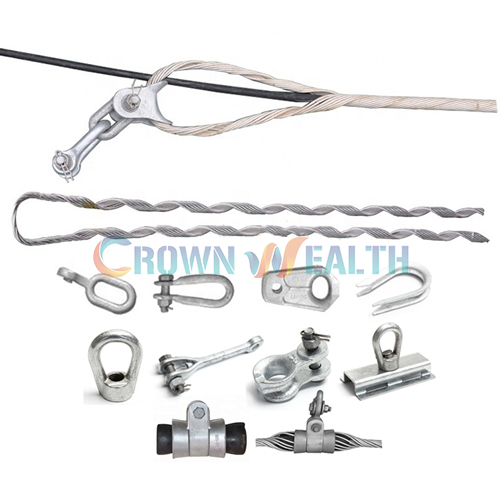
The design and shape of OPGW fittings also play a vital role in ice resistance. Fittings with smooth surfaces are less likely to accumulate ice compared to those with rough or irregular shapes. For example, our OPGW Performed Suspension Clamp is designed with a streamlined profile that minimizes ice adhesion. Additionally, proper ventilation channels in the design can help prevent ice from building up by allowing air to circulate and reducing the temperature difference between the fitting and the surrounding environment.
Load - Bearing Capacity
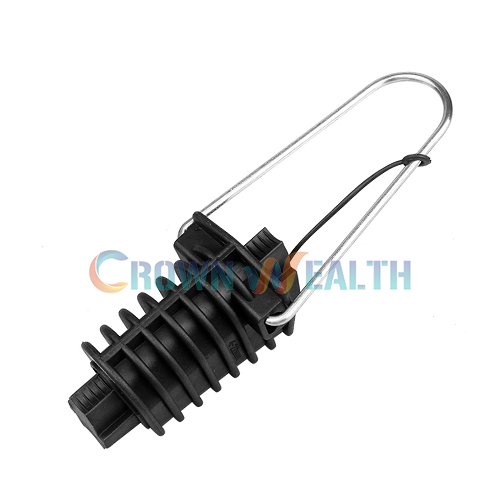
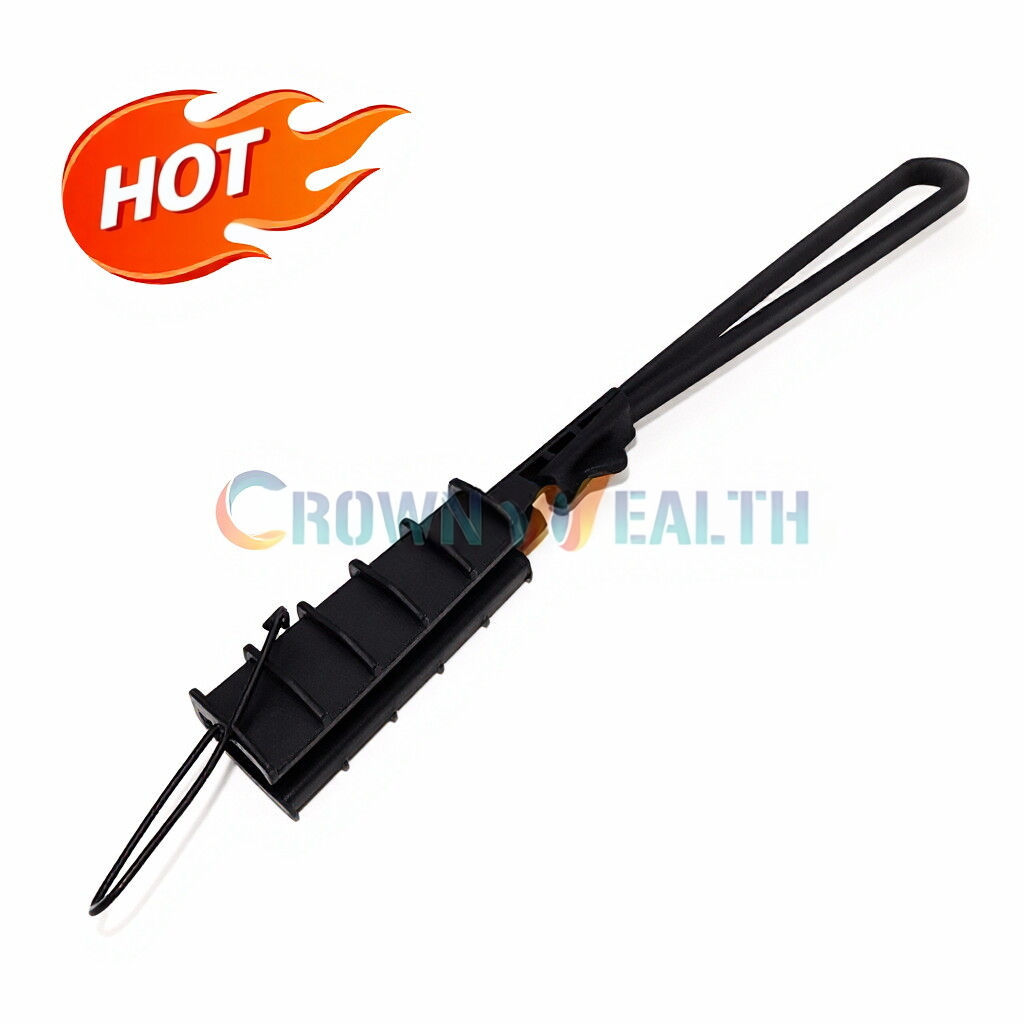
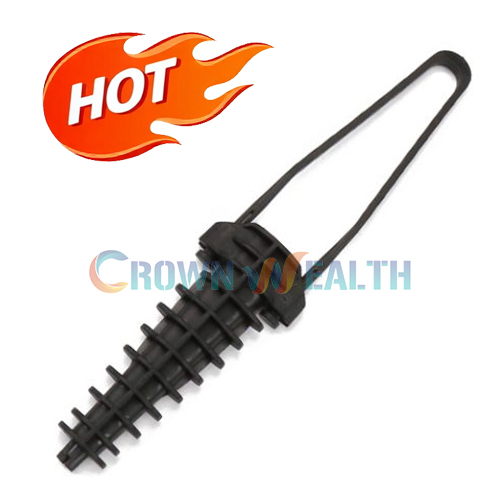
The load - bearing capacity of OPGW fittings is directly related to their ice resistance. Fittings need to be able to withstand the additional weight of ice without deforming or failing. Our Tension Clamp for Overhead Line is engineered to have a high load - bearing capacity, ensuring that it can hold the OPGW cable securely even when covered with a thick layer of ice. This is achieved through precise engineering and rigorous testing to meet international standards for mechanical performance.
How Our OPGW Fittings Excel in Ice Resistance
Advanced Manufacturing Processes
We utilize advanced manufacturing processes to ensure the highest quality and ice resistance of our OPGW fittings. Our production facilities are equipped with state - of - the - art machinery that allows for precise machining and forming of the materials. For example, we use precision casting techniques to create fittings with consistent dimensions and smooth surfaces, which are essential for ice - resistant performance.


Rigorous Testing
Before our OPGW fittings are released to the market, they undergo rigorous testing to ensure their ice resistance. We simulate icy conditions in our testing laboratories, subjecting the fittings to extreme cold temperatures and ice accumulation. This includes testing for load - bearing capacity, corrosion resistance, and ice adhesion. Only fittings that pass these strict tests are approved for sale, giving our customers peace of mind that our products will perform reliably in real - world icy environments.
Customized Solutions
We understand that different regions may have different ice - related challenges. That's why we offer customized OPGW fitting solutions to meet the specific needs of our customers. Whether it's a region with heavy snowfall or a coastal area with freezing rain, we can design and manufacture fittings that are tailored to the local climate conditions. For example, in areas with high ice loads, we can increase the load - bearing capacity of our fittings or use special coatings to reduce ice adhesion.
The Role of Cable Storage Assembly in Ice Resistance
The Cable Storage Assembly is an important component of the OPGW system, and its ice resistance is also crucial. A well - designed cable storage assembly can protect the excess OPGW cable from ice damage. It should be able to prevent ice from accumulating inside the assembly and causing damage to the cable. Our cable storage assemblies are designed with sealed enclosures and proper drainage systems to keep the cable dry and ice - free. Additionally, the materials used in the assembly are selected for their durability and resistance to cold temperatures, ensuring long - term performance in icy conditions.
Conclusion
In conclusion, the ice resistance of OPGW fittings is of utmost importance for the reliable operation of power and communication networks in cold climates. By carefully considering factors such as material selection, design, and load - bearing capacity, we can manufacture OPGW fittings that can withstand the challenges posed by ice accumulation. Our advanced manufacturing processes, rigorous testing, and customized solutions ensure that our products offer superior ice resistance and long - term performance.
If you're in need of high - quality OPGW fittings with excellent ice resistance, we invite you to contact us for a detailed discussion. Our team of experts is ready to assist you in finding the right solutions for your specific requirements. Whether you're planning a new OPGW installation or need to upgrade your existing system, we can provide you with the best products and services to ensure the success of your project.
References
- "Design and Testing of OPGW Fittings for Harsh Environments" - Industry Research Report
- "Materials Science for Power Line Components" - Academic Journal Article
- "Ice Accumulation on Power Lines: Causes and Mitigation Strategies" - Technical White Paper