Hey there! As a link fitting supplier, I often get asked if link fittings can be used in electrical systems. Well, the short answer is yes, but there's a lot more to it than that. In this blog post, I'm gonna break down the ins and outs of using link fittings in electrical setups, share some examples of popular link fittings, and give you the lowdown on why they can be a great choice.
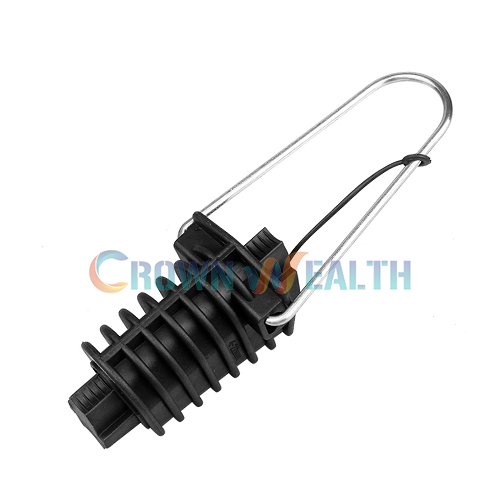
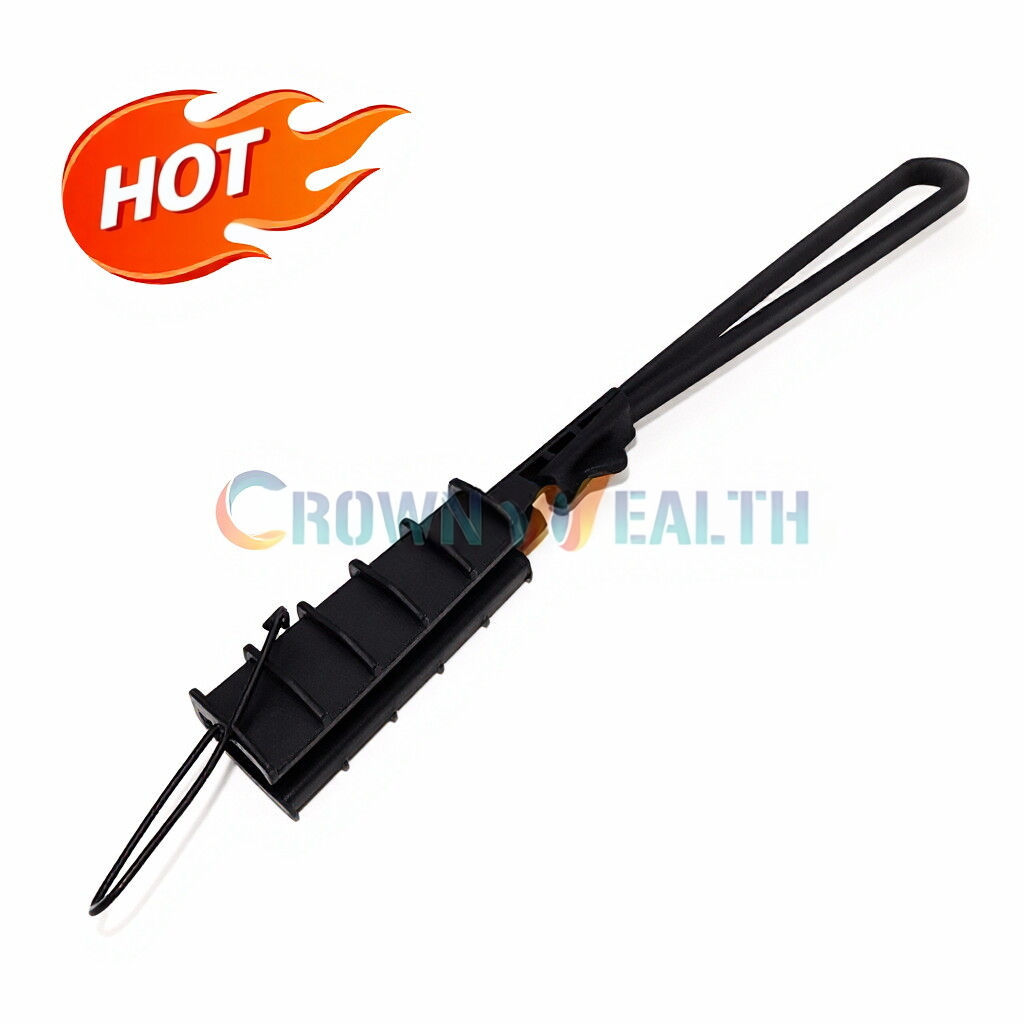
First off, let's talk about what link fittings are. Link fittings are basically hardware components that are used to connect, join, or secure different parts together. They come in all sorts of shapes and sizes, and are made from a variety of materials like steel, aluminum, and brass. Some common types of link fittings include shackles, clamps, and rods.
Now, when it comes to electrical systems, link fittings play a crucial role. They're used to connect electrical conductors, support electrical equipment, and ensure the safe and efficient operation of the system. For example, in a power transmission line, link fittings are used to connect the conductors to the towers or poles, and to support the weight of the conductors. In a distribution system, they're used to connect the transformers, switches, and other equipment to the conductors.
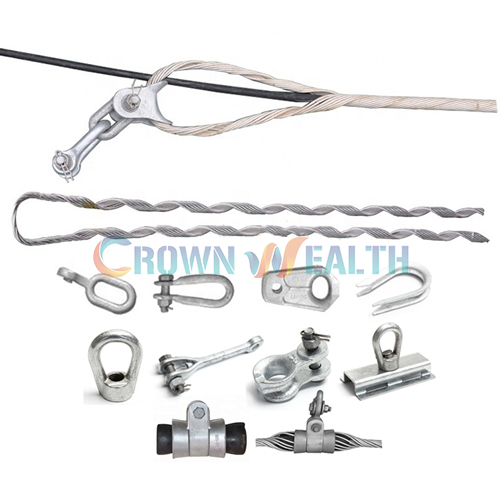
One of the main advantages of using link fittings in electrical systems is their durability. Most link fittings are made from high-quality materials that are resistant to corrosion, wear, and tear. This means they can withstand the harsh environmental conditions that electrical systems are often exposed to, such as extreme temperatures, humidity, and pollution. For instance, Hot Dip Galvanized Shackle is coated with a layer of zinc through a hot-dip process, which provides excellent corrosion resistance. This makes it ideal for use in outdoor electrical installations where the fittings are exposed to the elements.
Another advantage is their versatility. Link fittings come in a wide range of designs and sizes, which means they can be used in a variety of electrical applications. Whether you need to connect two conductors, support a heavy electrical component, or adjust the tension of a cable, there's a link fitting that can do the job. Take the Aluminum Parallel Clamp for example. It's designed to connect two parallel conductors together, and is commonly used in overhead power lines and distribution systems. Its lightweight and corrosion-resistant aluminum construction makes it easy to install and maintain.
In addition to durability and versatility, link fittings also offer ease of installation. Most link fittings are designed to be installed quickly and easily, without the need for special tools or equipment. This can save you time and money during the installation process. For example, the HDG Extension Rod can be easily attached to other link fittings to extend the length of a connection. Its hot-dip galvanized finish provides corrosion protection, and its threaded ends make it easy to connect to other components.


However, it's important to note that not all link fittings are suitable for use in electrical systems. When selecting link fittings for an electrical application, you need to consider several factors, such as the type of electrical system, the voltage and current ratings, and the environmental conditions. You also need to make sure that the link fittings are compliant with the relevant industry standards and regulations.
For example, in high-voltage electrical systems, you need to use link fittings that are designed to withstand the high electrical stresses and temperatures. These fittings may need to be made from special materials, such as copper or stainless steel, and may need to have additional insulation or shielding. In addition, they may need to be tested and certified to meet the specific requirements of the electrical system.
In conclusion, link fittings can definitely be used in electrical systems, and they offer a number of advantages, such as durability, versatility, and ease of installation. However, it's important to choose the right link fittings for your specific application, and to make sure they meet the relevant industry standards and regulations.
If you're in the market for link fittings for your electrical system, I'd love to help. As a link fitting supplier, I have a wide range of high-quality link fittings available, and I can provide you with expert advice and support to help you choose the right fittings for your needs. Whether you're working on a small residential electrical project or a large commercial or industrial installation, I can offer you the products and services you need to get the job done right. So, don't hesitate to reach out and start a conversation about your procurement needs. Let's work together to find the perfect link fittings for your electrical system.
References
- Electrical Installation Handbook, Schneider Electric
- National Electrical Code (NEC)
- IEEE Standards for Electrical and Electronic Equipment