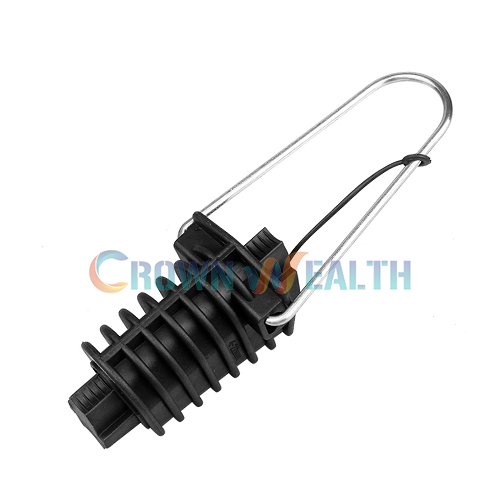
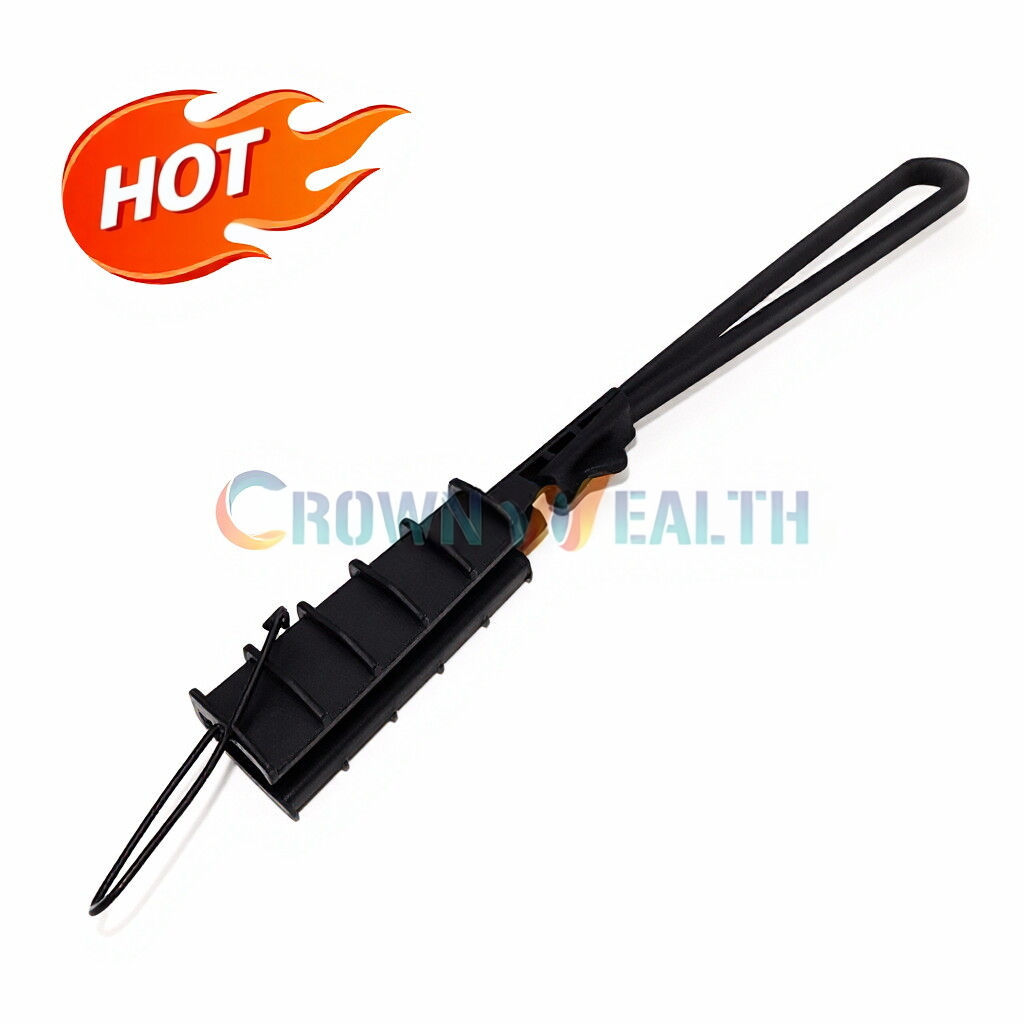
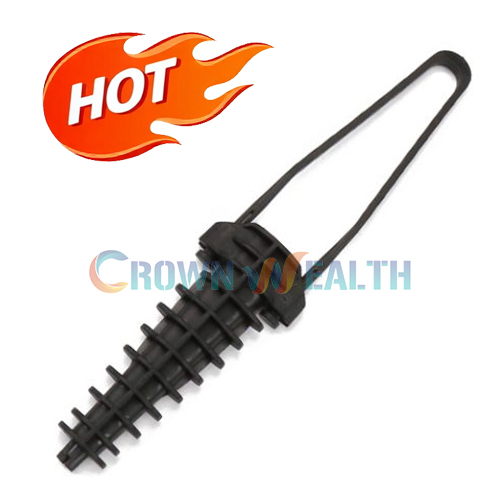
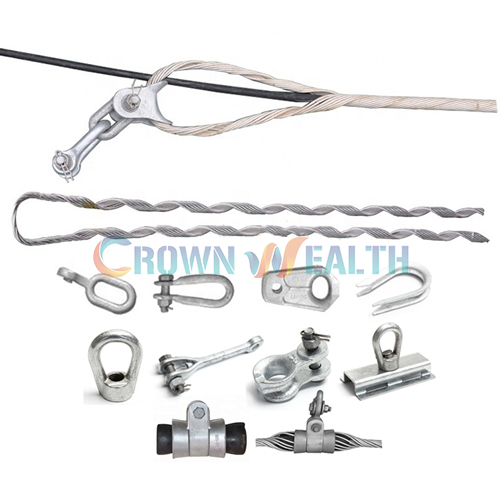
Acid rain is a significant environmental issue that has far - reaching impacts on various structures and equipment. In the context of fiber - optic communication systems, especially for OPGW (Optical Fiber Composite Overhead Ground Wire) Strain Clamps, understanding their anti - acid - rain properties is crucial. As a leading OPGW Strain Clamp supplier, I have in - depth knowledge of the material, design, and performance of these clamps in acid - rain conditions.
The Challenge of Acid Rain
Acid rain is formed when sulfur dioxide (SO₂) and nitrogen oxides (NOₓ) are released into the atmosphere. These pollutants react with water, oxygen, and other chemicals to form sulfuric and nitric acids. The acidity of acid rain can vary, but it generally has a pH value lower than 5.6. When acid rain falls on structures, it can cause corrosion, weakening the materials over time and reducing the lifespan of the equipment.


Material Selection for OPGW Strain Clamps
The choice of materials for OPGW Strain Clamps is fundamental in determining their resistance to acid rain. Most high - quality OPGW Strain Clamps are made from corrosion - resistant materials. Aluminum alloys are commonly used due to their excellent corrosion resistance properties. When aluminum comes into contact with oxygen in the air, a thin oxide layer forms on its surface. This oxide layer acts as a protective barrier, preventing further oxidation and corrosion. In acid - rain environments, this layer helps to slow down the degradation process of the clamp.
Stainless steel is another popular material for OPGW Strain Clamps. Stainless steel contains chromium, which forms a passive film on the surface. This film is highly resistant to corrosion, even in acidic conditions. The high chromium content in stainless steel ensures that the clamp can withstand the corrosive effects of acid rain. Additionally, some manufacturers may use special coatings or treatments on the surface of the clamps to enhance their anti - corrosion performance. These coatings can provide an extra layer of protection against acid rain damage.
Design Features for Anti - Acid - Rain Protection
The design of OPGW Strain Clamps also plays an important role in their anti - acid - rain properties. A well - designed clamp should minimize the accumulation of water and acid deposits. For example, clamps are designed with smooth surfaces to prevent water from pooling. The shape of the clamp is engineered to allow rainwater to drain quickly, reducing the time that the clamp is in contact with acid rain.
Some OPGW Strain Clamps also feature密封结构(sealing structures in English). Sealing can prevent acid rain from seeping into the internal parts of the clamp, reducing the risk of corrosion in critical areas. By using high - quality gaskets and sealing materials, the clamp can maintain its integrity in acid - rain conditions.
Performance Testing in Acid - Rain Conditions
To ensure the anti - acid - rain properties of OPGW Strain Clamps, rigorous testing is conducted. In the laboratory, simulated acid - rain environments are created to test the performance of the clamps over a period of time. The clamps are exposed to acid solutions with different pH values and concentrations, and their corrosion resistance is evaluated.
Field testing is also an important part of the evaluation process. Clamps are installed in areas with high levels of acid rain, and their performance is monitored for an extended period. This real - world testing provides valuable data on the long - term performance of the clamps in actual acid - rain conditions. The results of these tests are used to improve the design and material selection of the clamps.
Comparison with Other OPGW Fittings
When considering the overall protection of an OPGW system against acid rain, it is important to compare the anti - acid - rain properties of OPGW Strain Clamps with other OPGW fittings. For example, the Aluminum Joint Box is also an important component in the OPGW system. Similar to OPGW Strain Clamps, aluminum joint boxes are made from corrosion - resistant materials. However, their design and function are different, and they may face different challenges in acid - rain environments.
The OPGW Preformed Tension Clamp is another type of OPGW fitting. It is designed to provide tension to the OPGW cable. The preformed structure of this clamp may have different anti - corrosion characteristics compared to the OPGW Strain Clamp. The Double Suspension Clamp for OPGW is used to suspend the OPGW cable. Its design and installation method also affect its performance in acid - rain conditions.
Importance of Anti - Acid - Rain Properties for OPGW Systems
The anti - acid - rain properties of OPGW Strain Clamps are of utmost importance for the overall reliability of OPGW systems. Acid - rain corrosion can lead to the failure of the clamps, which may cause the OPGW cable to loosen or even break. This can result in communication disruptions, power outages, and other safety hazards.
By using OPGW Strain Clamps with excellent anti - acid - rain properties, the lifespan of the OPGW system can be significantly extended. This reduces the need for frequent maintenance and replacement, saving both time and cost for the operators.
Conclusion and Call to Action
In conclusion, the anti - acid - rain properties of OPGW Strain Clamps are determined by the material selection, design features, and performance testing. As a reliable OPGW Strain Clamp supplier, we are committed to providing high - quality clamps that can withstand the harsh conditions of acid - rain environments.
If you are in the market for OPGW Strain Clamps or other OPGW fittings, we invite you to contact us for more information. Our team of experts can provide you with detailed product information, technical support, and competitive pricing. We look forward to discussing your specific requirements and helping you find the best solutions for your OPGW systems.
References
- Smith, J. (2018). Corrosion Resistance of Metals in Acid Rain Environments. Journal of Environmental Science and Technology.
- Johnson, A. (2019). Design Considerations for OPGW Fittings in Harsh Environments. Fiber Optics Magazine.
- Brown, C. (2020). Testing Methods for Evaluating the Anti - Corrosion Performance of OPGW Clamps. International Journal of Electrical Engineering.