In industries where high - risk operations are prevalent, the importance of safety cannot be overstated. Protective fittings serve as a front - line defense mechanism, significantly enhancing safety in countless work scenarios. As a protective fitting supplier, I've witnessed firsthand how these essential components play a crucial role in safeguarding lives and property.
The Fundamentals of Protective Fittings
Protective fittings come in various forms and are designed to address different safety concerns. They are engineered to withstand harsh conditions, resist wear and tear, and provide reliable protection over an extended period. These fittings are used across a wide range of industries, including construction, electrical, and telecommunications.
In the construction industry, for example, protective fittings such as safety harnesses and guardrails are used to prevent falls from heights. These fittings are rigorously tested to meet strict safety standards, ensuring that workers can perform their tasks with confidence. Similarly, in the electrical industry, insulation fittings and circuit breakers protect against electrical shocks and short - circuits, preventing potential fires and equipment damage.
How Protective Fittings Enhance Safety in Electrical Systems
One of the most critical areas where protective fittings are used is in electrical systems. Electrical work can be extremely hazardous, with the potential for electric shocks, fires, and explosions. Protective fittings are designed to mitigate these risks and keep workers and equipment safe.
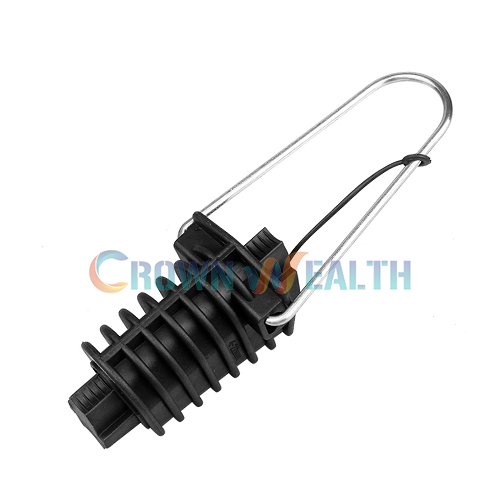
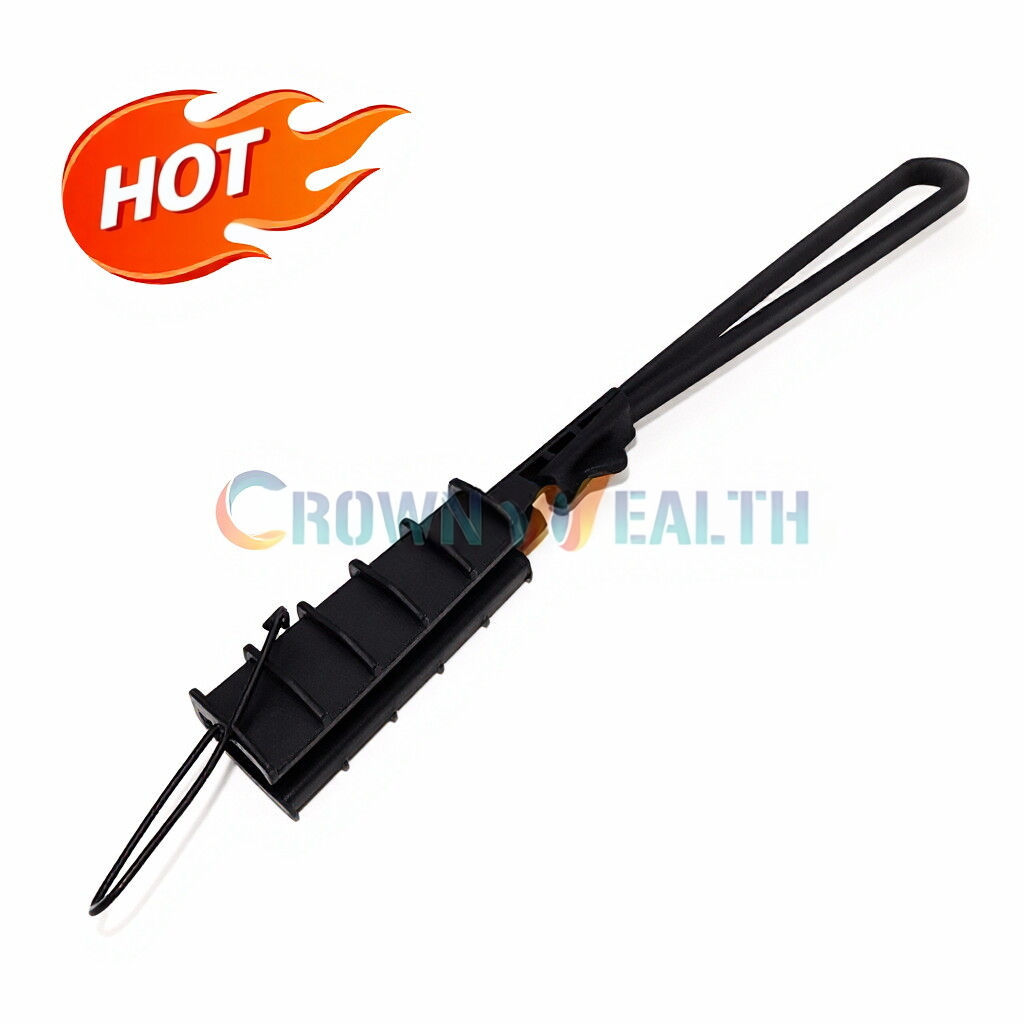
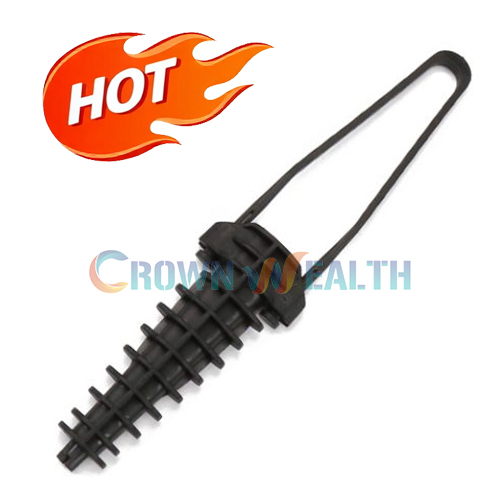
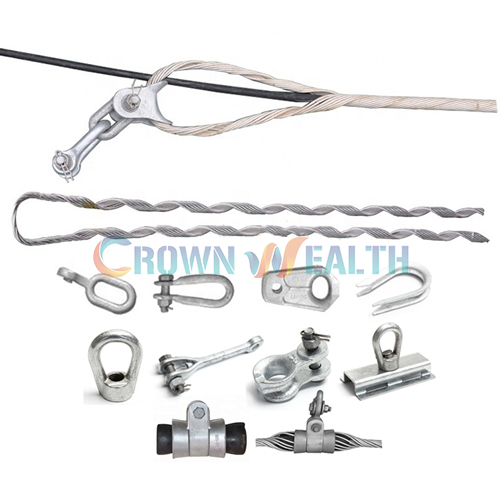
Dead End Guy Grips "Dead End Guy Grips" are an essential part of overhead electrical lines. They are used to secure the end of a guy wire, which helps to support the poles and maintain the stability of the electrical infrastructure. By preventing the guy wire from coming loose, dead end guy grips reduce the risk of poles collapsing, which could lead to power outages and endanger the lives of nearby workers and the public.
Helical Guy Grips "Helical Guy Grips" also play a vital role in electrical systems. These grips are installed on guy wires to increase their grip and prevent slippage. This is particularly important in areas with high winds or other adverse weather conditions. By ensuring the stability of the guy wires, helical guy grips help to protect the electrical infrastructure from damage, reducing the likelihood of power disruptions and electrical accidents.
Overhead Line Accessories Preformed Dead End Clamp Guy Grip for Cable "Overhead Line Accessories Preformed Dead End Clamp Guy Grip for Cable" are another type of protective fitting used in electrical systems. These clamps are used to secure cables to poles or other structures. They provide a strong and reliable connection, preventing the cables from coming loose and causing electrical hazards.
Function in Other Industries
Outside the electrical field, protective fittings also play significant roles in various industries. In the automotive industry, safety belts and airbags are two of the most well - known protective fittings. Safety belts keep passengers in their seats during a collision, reducing the risk of ejection and serious injury. Airbags deploy rapidly in the event of a crash, providing a cushioning effect to protect the driver and passengers from impact.
In the manufacturing industry, machine guards are used to protect workers from moving parts of machinery. These guards are designed to prevent accidents such as entanglement, shearing, and crushing. By enclosing the dangerous parts of the machine, machine guards ensure that workers can operate the equipment safely.
The Durability and Reliability Factor
One of the key features of high - quality protective fittings is their durability and reliability. Protective fittings are often exposed to harsh environmental conditions, such as extreme temperatures, moisture, and chemicals. Therefore, they need to be made from materials that can withstand these conditions without degradation.
For example, in the oil and gas industry, protective fittings used in offshore platforms are exposed to saltwater, strong winds, and high - pressure environments. These fittings are typically made from corrosion - resistant materials such as stainless steel or fiberglass - reinforced plastic. This ensures that they can maintain their structural integrity over time, providing long - term protection for the workers and the equipment.
The Importance of Regular Inspection and Maintenance
Even the highest - quality protective fittings require regular inspection and maintenance to ensure their continued effectiveness. Over time, these fittings can wear out, become damaged, or lose their functionality. By conducting regular inspections, potential problems can be identified and addressed before they cause an accident.
For instance, in a construction site, safety harnesses should be inspected before each use for signs of wear, tear, or damage. If any issues are found, the harnesses should be immediately replaced or repaired. Similarly, in an electrical system, circuit breakers should be tested regularly to ensure that they are functioning properly and can trip when necessary to prevent electrical overloads.
Customization for Specific Safety Needs
Not all safety situations are the same, and that's why customization of protective fittings is crucial. Different industries, projects, and work environments have unique safety requirements. As a protective fitting supplier, we understand the importance of providing customized solutions to meet these diverse needs.
For example, in a large - scale hydroelectric project, the protective fittings for the electrical components may need to be customized to withstand the high - humidity environment and the specific electrical load requirements. We work closely with our clients to understand their exact needs and design protective fittings that are tailored to their projects. This not only enhances safety but also improves the overall efficiency of the operations.
Cost - Benefit Analysis of Protective Fittings
Some may argue that investing in high - quality protective fittings can be expensive. However, when considering the potential costs associated with accidents, the benefits far outweigh the initial investment. Accidents can result in medical expenses, lost productivity, legal liabilities, and damage to equipment and property.
By using reliable protective fittings, the likelihood of accidents is significantly reduced. This means fewer lost workdays, lower insurance premiums, and less damage to valuable assets. In the long run, the cost - savings from preventing accidents make the investment in protective fittings a wise decision.
Conclusion
Protective fittings are indispensable for enhancing safety in various industries. Whether it's in electrical systems, construction sites, automotive, or manufacturing processes, these fittings provide a reliable barrier against potential hazards. Their durability, reliability, and the ability to be customized make them a valuable addition to any safety strategy.
As a protective fitting supplier, we are committed to providing the highest - quality products that meet and exceed industry standards. Our range of products, including Dead End Guy Grips, Helical Guy Grips, and Overhead Line Accessories Preformed Dead End Clamp Guy Grip for Cable, are designed to protect your workers and equipment.
If you are in need of protective fittings for your projects or operations, we encourage you to reach out to us for a detailed discussion. We are here to help you find the best solutions to enhance safety and productivity.


References
- National Institute for Occupational Safety and Health (NIOSH) - "Workplace Safety Guidelines"
- Occupational Safety and Health Administration (OSHA) - "Safety Standards for Electrical Systems"
- Automotive Safety Council - "Automotive Safety Fittings"
- Manufacturing Technology Association - "Machine Guarding Best Practices"