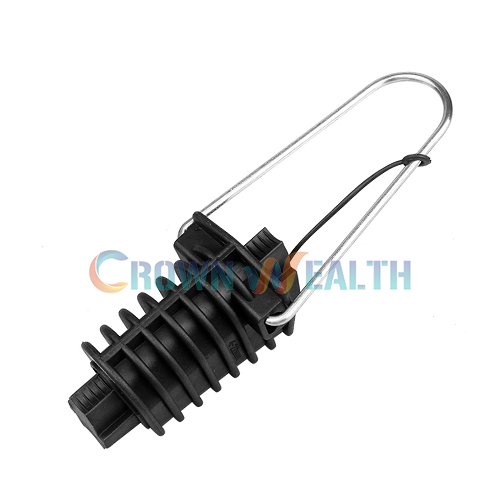
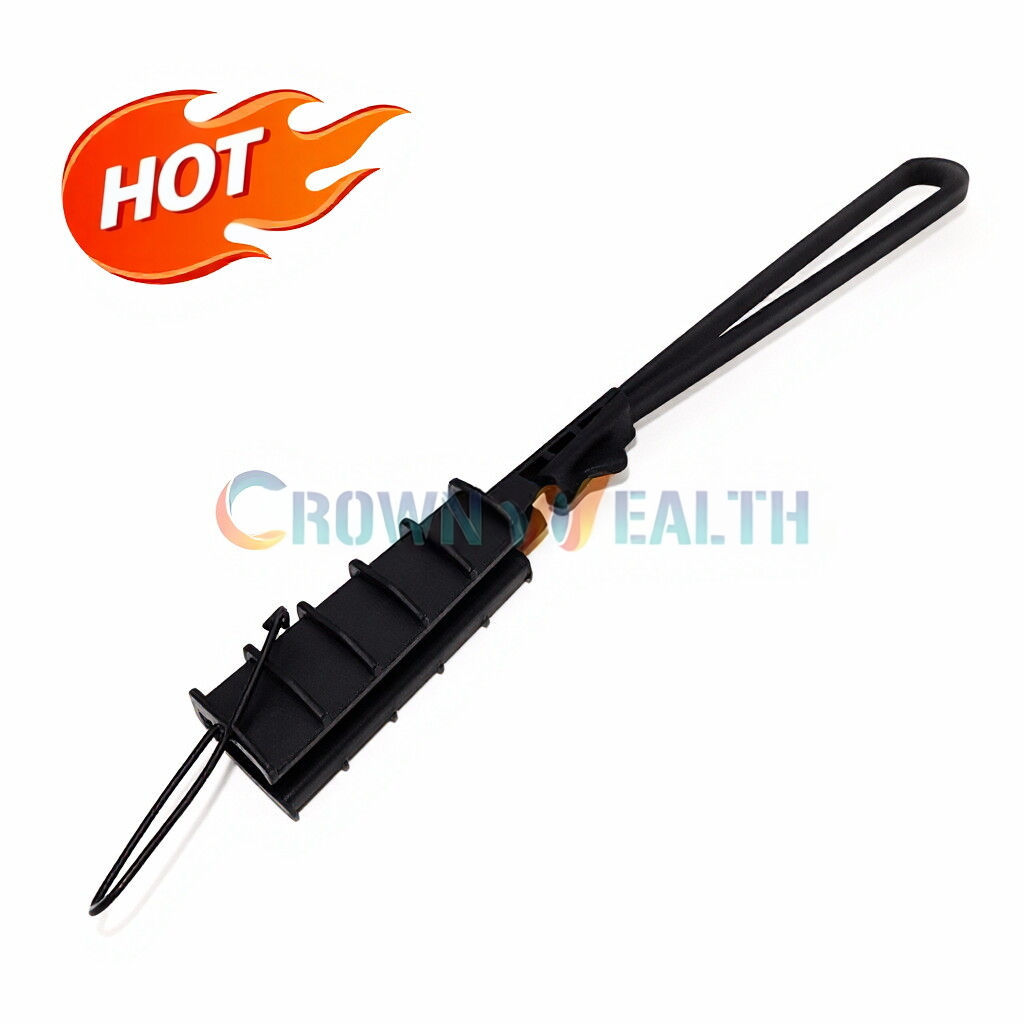
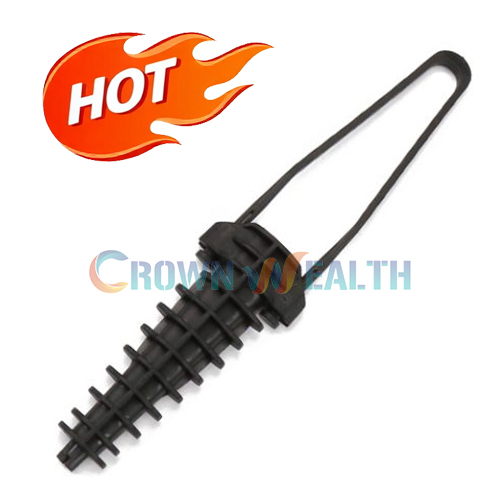
Hey there! As a supplier of ADSS Fastening Clamps, I often get asked about the fatigue resistance of these clamps. So, I thought I'd take a moment to share some insights on this topic.
First off, let's understand what fatigue resistance means in the context of ADSS Fastening Clamps. Fatigue resistance refers to the ability of a clamp to withstand repeated loading and unloading cycles without failing. In the case of ADSS (All-Dielectric Self-Supporting) cables, which are commonly used in overhead power line communication systems, the fastening clamps are subjected to various forces over time. These forces can include wind-induced vibrations, ice loading, and the natural sagging and movement of the cable.


Now, why is fatigue resistance so important for ADSS Fastening Clamps? Well, if a clamp fails due to fatigue, it can lead to serious problems. The cable might come loose, which could result in signal disruptions, damage to the cable, or even pose a safety hazard. So, having clamps with good fatigue resistance is crucial for the long-term reliability of the entire ADSS cable system.
One of the key factors that affect the fatigue resistance of ADSS Fastening Clamps is the material they're made of. High-quality materials like stainless steel or aluminum alloys are often used because they have good mechanical properties. Stainless steel, for example, is known for its corrosion resistance and high strength. It can withstand the harsh environmental conditions that ADSS cables are often exposed to, such as moisture, UV radiation, and temperature variations. Aluminum alloys, on the other hand, are lightweight yet strong. They can reduce the overall weight of the clamp, which is beneficial for installation and maintenance.
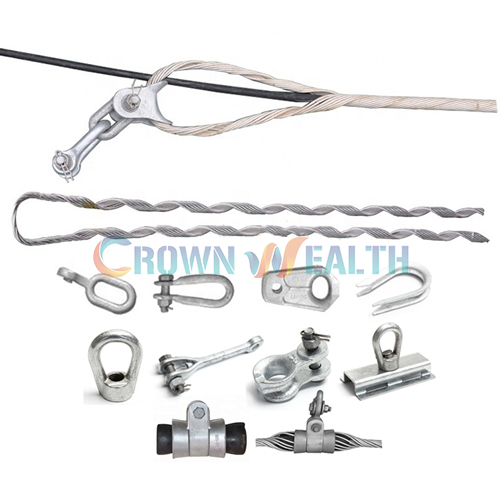
The design of the clamp also plays a significant role in its fatigue resistance. A well-designed clamp will distribute the load evenly across the cable and the clamp itself. This helps to prevent stress concentrations, which can lead to premature fatigue failure. For instance, some clamps are designed with a helical shape, like the Preformed Helical Tension Clamp. The helical design allows the clamp to grip the cable tightly while also distributing the load more evenly. This type of clamp is particularly effective in reducing the stress on the cable and the clamp, thus improving its fatigue resistance.
Another important aspect is the installation process. If the clamps are not installed correctly, it can significantly reduce their fatigue resistance. For example, if the clamp is overtightened, it can cause excessive stress on the cable and the clamp, leading to premature failure. On the other hand, if the clamp is not tightened enough, it might not provide a secure grip on the cable, which could also result in problems. So, it's essential to follow the manufacturer's installation instructions carefully.
In addition to the material, design, and installation, the operating conditions also have an impact on the fatigue resistance of ADSS Fastening Clamps. For example, in areas with high wind speeds or frequent ice storms, the clamps will be subjected to more severe loading conditions. In such cases, it's important to choose clamps that are specifically designed to withstand these harsh conditions. The Overhead Line Suspension Clamp is a good option for areas with high wind or ice loads. It's designed to provide a secure suspension for the cable while also being able to withstand the dynamic forces caused by the wind and ice.
Now, let's talk about how we test the fatigue resistance of our ADSS Fastening Clamps. We use a variety of testing methods to ensure that our clamps meet the highest standards of quality and reliability. One of the most common testing methods is the cyclic loading test. In this test, the clamp is subjected to a repeated loading and unloading cycle for a specified number of times. The load is typically applied in a controlled manner to simulate the real-world conditions that the clamp will be exposed to. After the test, the clamp is inspected for any signs of damage or failure. If the clamp passes the test, it means that it has good fatigue resistance and is suitable for use in the ADSS cable system.
We also conduct environmental testing to ensure that our clamps can withstand the harsh environmental conditions. This includes testing the clamps in salt spray chambers to simulate corrosion, and in temperature and humidity chambers to simulate different climate conditions. By conducting these tests, we can ensure that our clamps will perform well in any environment.
As a supplier of ADSS Fastening Clamps, we're committed to providing our customers with high-quality products that have excellent fatigue resistance. We use the latest manufacturing techniques and materials to ensure that our clamps meet the highest standards of quality and reliability. Whether you're looking for a Preformed Helical Tension Clamp, an Overhead Line Suspension Clamp, or a Fastening Clamp for Pole Or Tower, we have the right product for you.
If you're in the market for ADSS Fastening Clamps, I encourage you to get in touch with us. We'd be happy to discuss your specific requirements and provide you with a customized solution. Our team of experts is always ready to help you choose the right clamp for your project. So, don't hesitate to reach out and start a conversation with us.
References:
- Industry standards for ADSS cable fittings
- Technical literature on materials and design of fastening clamps