Square spacer dampers are essential components in overhead power lines, designed to maintain proper spacing between conductors and reduce the effects of aeolian vibration. As a supplier of square spacer dampers, I often receive inquiries about their suitability for high - speed applications. In this blog, we will delve into the technical aspects, advantages, and potential limitations of square spacer dampers in high - speed environments.
Understanding High - Speed Applications in Overhead Power Lines
High - speed applications in the context of overhead power lines typically refer to situations where the conductors are exposed to high - velocity winds, such as in coastal areas, mountainous regions, or open plains. These high - speed winds can cause significant vibration and galloping of the conductors, which can lead to mechanical fatigue, damage to the conductors, and ultimately, power outages.
Aeolian vibration is a random, high - frequency vibration caused by the shedding of vortices from the conductor surface when wind flows across it. Galloping, on the other hand, is a low - frequency, large - amplitude oscillation that occurs under specific wind and ice - loading conditions. Both of these phenomena can have a detrimental impact on the integrity of the overhead power lines, and it is crucial to mitigate their effects.
Technical Features of Square Spacer Dampers
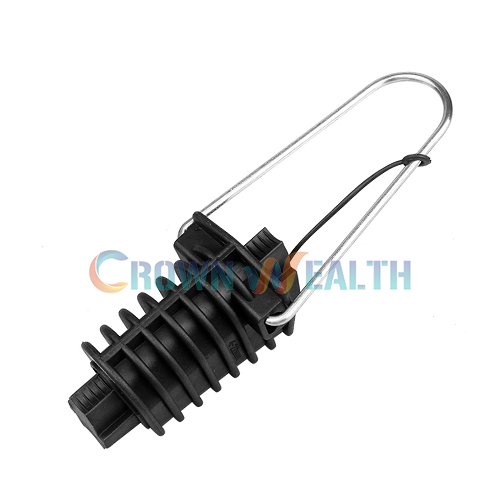
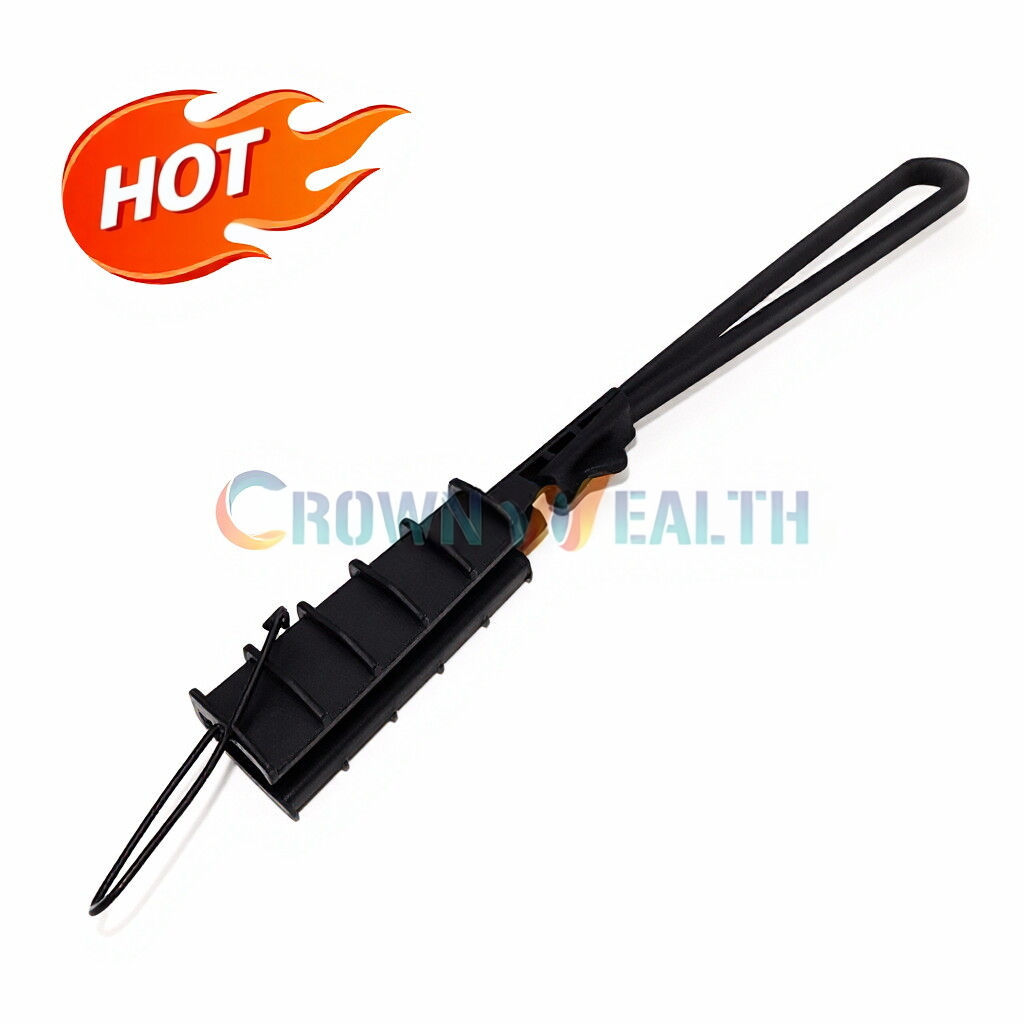
Square spacer dampers are designed to address the issues of conductor spacing and vibration damping. They are typically made of a high - strength alloy or composite material, which provides excellent mechanical properties and durability. The square shape of the damper offers several advantages over other shapes, such as circular or oval dampers.
Firstly, the square shape provides a larger surface area for contact with the conductors, which helps to distribute the forces more evenly and reduce the stress concentration on the conductor surface. This is particularly important in high - speed applications, where the conductors are subjected to higher levels of stress due to the wind forces.
Secondly, the square spacer damper can be designed with internal damping mechanisms, such as rubber or viscoelastic materials, to absorb and dissipate the vibrational energy. This helps to reduce the amplitude of the vibration and prevent the build - up of excessive stress in the conductors.
Advantages of Square Spacer Dampers in High - Speed Applications
Effective Vibration Damping
One of the primary advantages of square spacer dampers in high - speed applications is their ability to provide effective vibration damping. The combination of the large contact area and the internal damping mechanisms allows the damper to absorb and dissipate the vibrational energy generated by the high - speed winds. This helps to reduce the amplitude of the vibration and prevent the conductors from experiencing mechanical fatigue and damage.


Maintaining Conductor Spacing
In high - speed applications, the conductors are more likely to move and sway due to the wind forces. Square spacer dampers are designed to maintain the proper spacing between the conductors, even under extreme wind conditions. This is important because proper conductor spacing is essential for ensuring the electrical performance of the power line and preventing short - circuits and other electrical faults.
Durability and Longevity
Square spacer dampers are made of high - quality materials that are resistant to corrosion, wear, and mechanical stress. This makes them suitable for long - term use in high - speed environments, where they are exposed to harsh weather conditions and continuous mechanical loading. The durability of the square spacer dampers ensures that they can provide reliable performance over an extended period, reducing the need for frequent maintenance and replacement.
Potential Limitations of Square Spacer Dampers in High - Speed Applications
Aerodynamic Considerations
Although square spacer dampers offer several advantages in terms of vibration damping and conductor spacing, their square shape may create some aerodynamic challenges in high - speed applications. The sharp edges of the square shape can cause the flow of air to separate and create turbulent wakes, which can increase the drag force on the conductors. This can result in higher energy consumption and may also increase the risk of galloping in certain wind conditions.
Installation and Maintenance
Square spacer dampers are relatively complex components, and their installation and maintenance require specialized knowledge and equipment. In high - speed applications, where the access to the conductors may be difficult, the installation and maintenance of the square spacer dampers can be a challenging and time - consuming task. Improper installation or maintenance can lead to reduced performance and even failure of the dampers.
Comparison with Other Types of Dampers
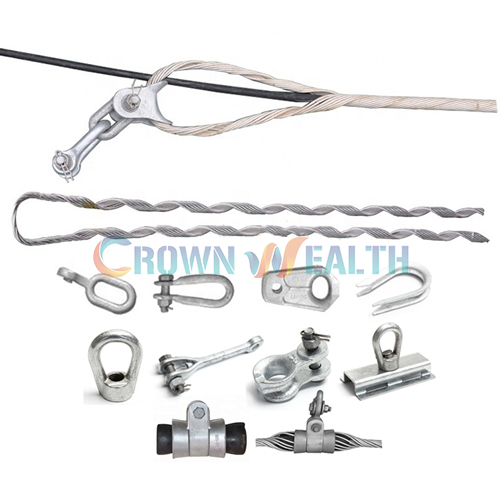
When considering the suitability of square spacer dampers for high - speed applications, it is important to compare them with other types of dampers, such as Preformed Armor Rods and Armor Rods. Preformed armor rods are flexible rods that are helically wrapped around the conductor to protect it from abrasion and mechanical damage. They can also provide some degree of vibration damping, but their effectiveness is limited compared to square spacer dampers.
Armor rods, on the other hand, are rigid rods that are installed on the conductor to increase its mechanical strength. They are not designed specifically for vibration damping, but they can help to reduce the amplitude of the vibration by increasing the mass of the conductor. However, armor rods do not provide the same level of conductor spacing control as square spacer dampers.
Another type of accessory is the Overhead Line Accessories Preformed Dead End Clamp Guy Grip for Cable. While it is mainly used for terminating the cable and providing a secure connection, it does not have the same vibration - damping and conductor - spacing functions as square spacer dampers.
Conclusion
In conclusion, square spacer dampers can be a suitable choice for high - speed applications in overhead power lines. Their ability to provide effective vibration damping, maintain conductor spacing, and offer durability makes them a reliable solution for mitigating the effects of high - speed winds. However, it is important to consider the potential limitations, such as aerodynamic challenges and installation and maintenance requirements.
When selecting the right damper for a high - speed application, it is essential to conduct a thorough engineering analysis of the specific site conditions, including wind speed, direction, and turbulence. This will help to determine the most appropriate type and configuration of the damper to ensure optimal performance and reliability.
If you are interested in learning more about our square spacer dampers or would like to discuss your specific high - speed application requirements, please feel free to contact us. Our team of experts is ready to provide you with the technical support and product recommendations you need to make the right decision.
References
- Johnson, A. (2018). "Vibration Damping in Overhead Power Lines". IEEE Transactions on Power Delivery.
- Smith, B. (2019). "Design and Analysis of Square Spacer Dampers". Journal of Power Systems Engineering.
- Williams, C. (2020). "High - Speed Wind Effects on Overhead Conductors". Proceedings of the International Conference on Power Grid Engineering.