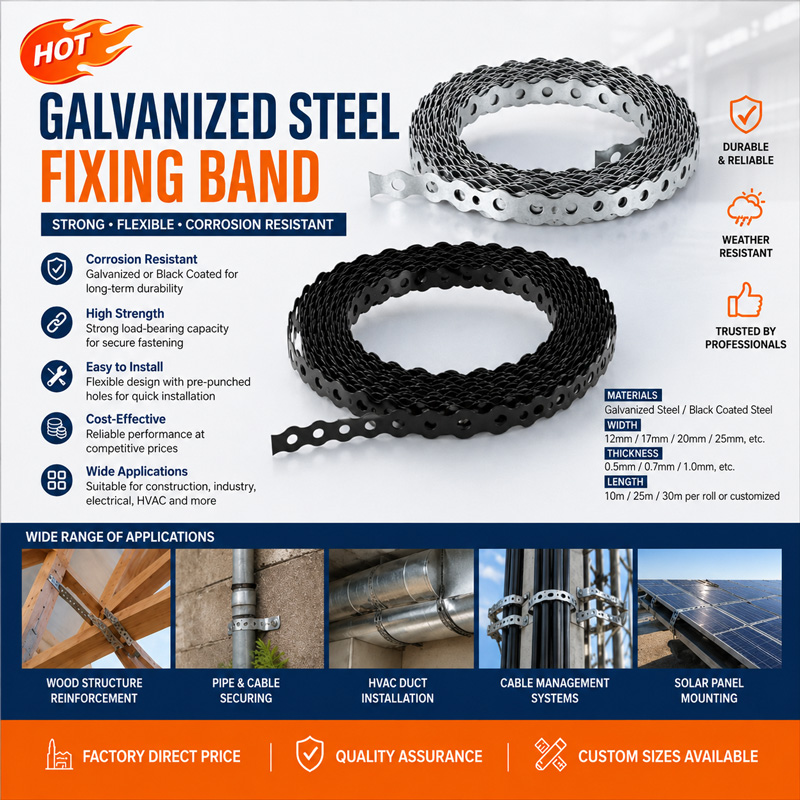
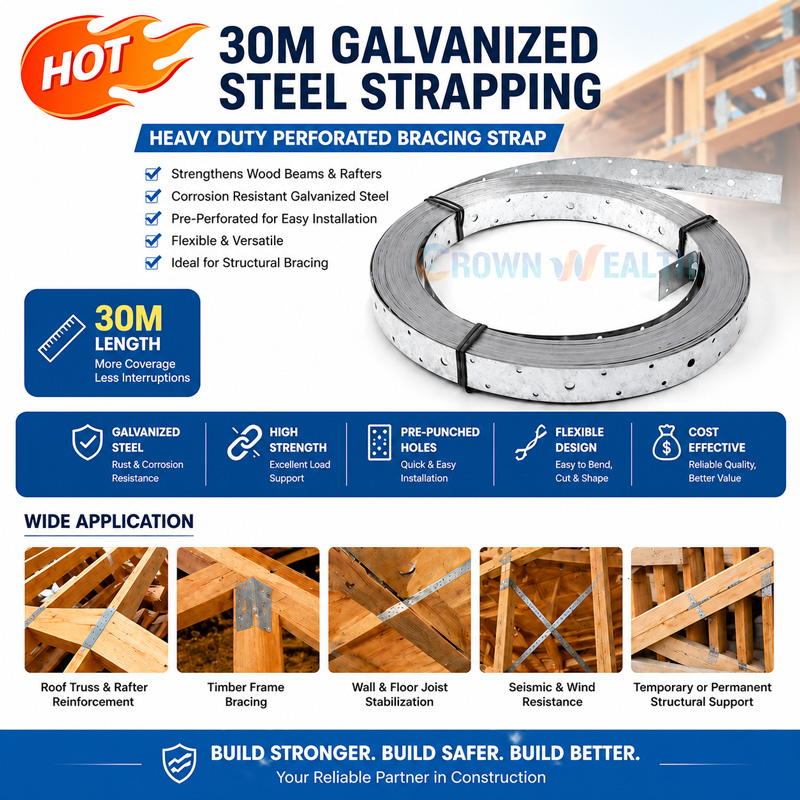
Fastening fixtures play a crucial role in the stability of a structure. As a supplier of fastening fixtures, I have witnessed firsthand how the right choice of these components can significantly impact the performance and safety of a wide range of structures. In this blog post, I will explore the various ways in which fastening fixtures affect the stability of a structure and why it is essential to select the appropriate ones for your project.
Understanding the Role of Fastening Fixtures
Fastening fixtures are devices used to connect two or more components together securely. They come in a variety of forms, including bolts, nuts, screws, clamps, and brackets, and are designed to withstand different types of forces, such as tension, compression, shear, and torsion. The primary function of fastening fixtures is to hold the components in place, preventing them from moving or separating under normal operating conditions or external loads.
In a structural context, fastening fixtures are used to connect beams, columns, trusses, and other structural elements to form a stable and integrated framework. They ensure that the structure can resist the forces acting on it, such as gravity, wind, earthquakes, and dynamic loads, without experiencing excessive deformation or failure. By providing a reliable connection between the components, fastening fixtures help to distribute the loads evenly throughout the structure, reducing the stress concentrations and improving its overall stability.
Factors Affecting the Stability of a Structure
Several factors can affect the stability of a structure, and the choice of fastening fixtures is one of the most critical ones. Here are some of the key factors to consider:
1. Load Capacity
The load capacity of a fastening fixture refers to the maximum amount of force it can withstand without failing. It is essential to select fastening fixtures with a load capacity that is sufficient to handle the expected loads on the structure. If the load capacity of the fastening fixtures is too low, they may deform or break under the applied loads, leading to a loss of stability and potentially causing the structure to collapse.
2. Material Properties
The material properties of the fastening fixtures, such as strength, ductility, and corrosion resistance, can also have a significant impact on the stability of the structure. For example, fastening fixtures made of high-strength materials, such as steel or titanium, can provide greater load capacity and resistance to deformation than those made of weaker materials. Additionally, fastening fixtures with good corrosion resistance can prevent rust and other forms of degradation, ensuring their long-term performance and reliability.
3. Installation Quality
The installation quality of the fastening fixtures is another crucial factor that can affect the stability of the structure. Proper installation is essential to ensure that the fastening fixtures are correctly aligned, tightened to the appropriate torque, and securely attached to the components. If the fastening fixtures are not installed correctly, they may not provide a reliable connection, leading to loosening, vibration, and potential failure.


4. Environmental Conditions
The environmental conditions in which the structure is located can also influence the choice of fastening fixtures and their performance. For example, in corrosive environments, such as coastal areas or industrial settings, it is essential to use fastening fixtures with good corrosion resistance to prevent rust and other forms of degradation. Additionally, in high-temperature or high-humidity environments, the material properties of the fastening fixtures may change, affecting their load capacity and stability.
Types of Fastening Fixtures and Their Impact on Stability
There are several types of fastening fixtures available, each with its own unique characteristics and applications. Here are some of the most common types and how they affect the stability of a structure:
1. Bolts and Nuts
Bolts and nuts are one of the most widely used types of fastening fixtures. They consist of a threaded bolt and a matching nut, which are tightened together to create a strong and secure connection. Bolts and nuts can be used to connect a variety of components, including beams, columns, and plates, and are available in different sizes, materials, and grades to suit different applications.
The stability of a structure using bolts and nuts depends on several factors, such as the size and grade of the bolts, the tightening torque, and the number of bolts used. Properly tightened bolts and nuts can provide a reliable connection that can withstand high loads and prevent the components from moving or separating. However, if the bolts are not tightened correctly or if they are over-tightened, they may cause damage to the components or the fastening fixtures themselves, leading to a loss of stability.
2. Screws
Screws are similar to bolts but have a pointed end and are typically used to fasten objects to a surface or to join two thin materials together. They are available in different types, such as wood screws, machine screws, and self-tapping screws, and can be used in a variety of applications, including furniture assembly, electrical installations, and automotive manufacturing.
The stability of a structure using screws depends on the type and size of the screws, the material of the components being fastened, and the installation method. Screws that are too small or too weak may not provide a secure connection, while screws that are too large or too strong may cause damage to the components. Additionally, proper installation is essential to ensure that the screws are inserted at the correct angle and depth and that they are tightened to the appropriate torque.
3. Clamps
Clamps are used to hold objects together by applying pressure. They come in a variety of forms, including spring clamps, hose clamps, and pipe clamps, and are available in different sizes and materials to suit different applications. Clamps can be used to secure components in place during assembly or to provide a temporary or permanent connection between two objects.
The stability of a structure using clamps depends on the type and size of the clamps, the amount of pressure applied, and the material of the components being clamped. Clamps that are too weak or too loose may not provide a secure connection, while clamps that are too strong or too tight may cause damage to the components. Additionally, the type of clamp used should be appropriate for the application, as different clamps are designed to handle different types of loads and materials.
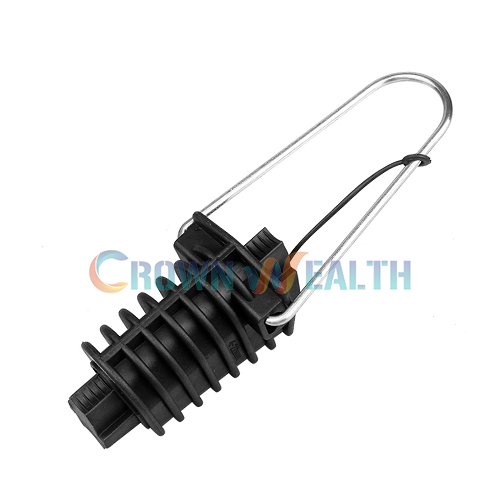
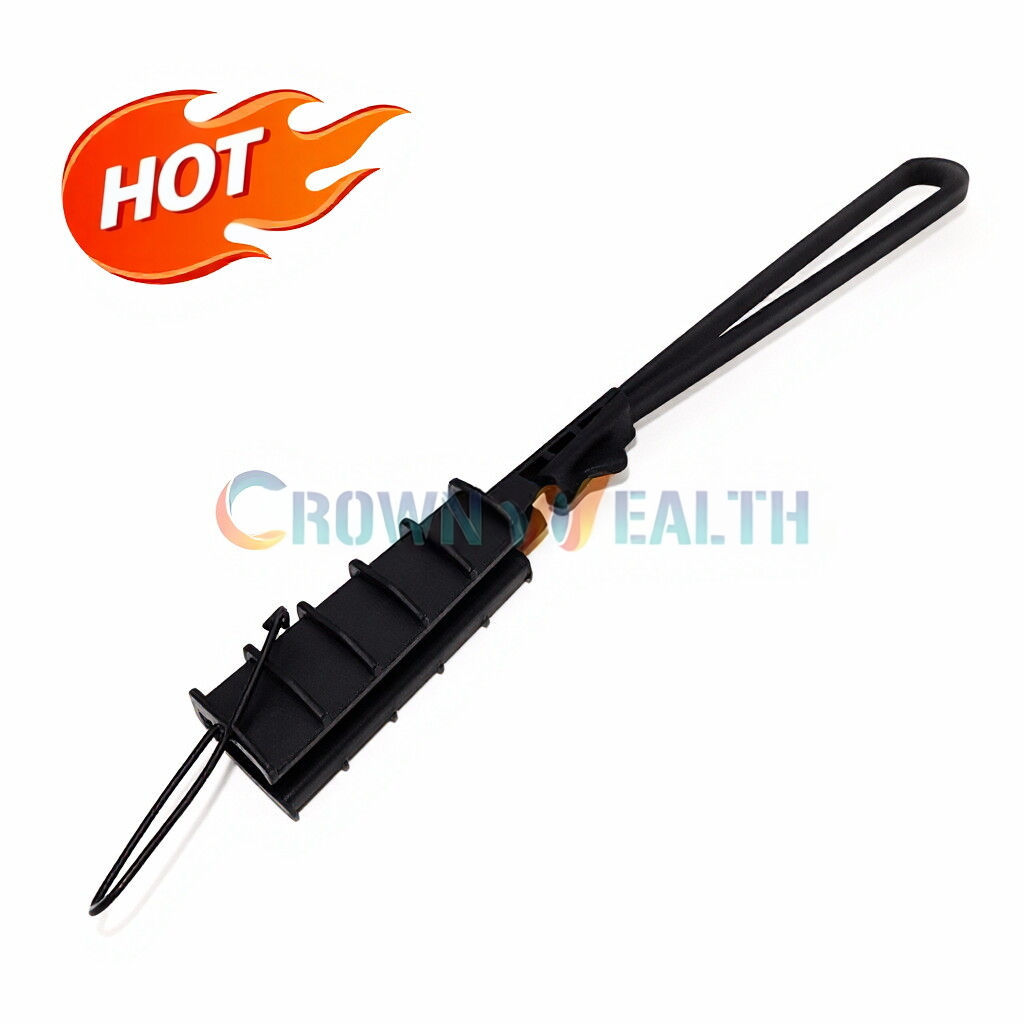
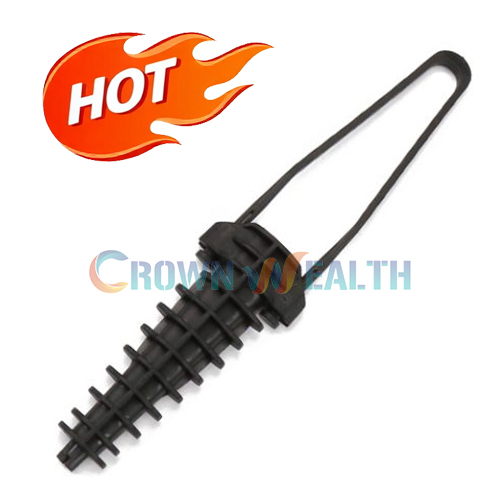
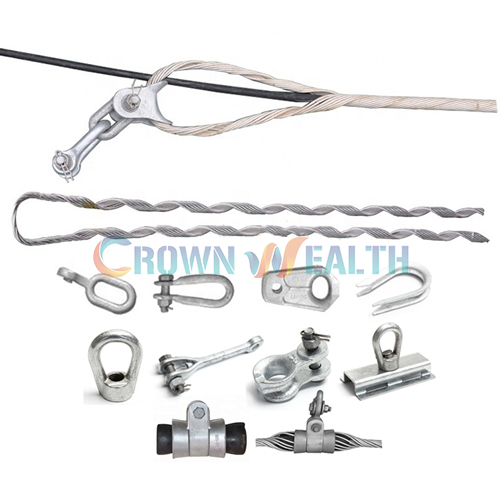
For example, Preformed Tension Clamp is a type of clamp that is specifically designed to provide a high level of tension and stability in fiber optic cable installations. It is made of high-strength materials and is preformed to fit the shape of the cable, ensuring a secure and reliable connection. Similarly, Double Suspension Clamp is used to support and suspend cables, providing stability and preventing sagging. And Hot Dip Galvanized Strain Clamp is designed to withstand high strain and corrosion, making it suitable for use in harsh environments.
4. Brackets
Brackets are used to support and connect components at different angles or to provide additional reinforcement to a structure. They come in a variety of shapes and sizes, including L-shaped brackets, U-shaped brackets, and angle brackets, and are available in different materials, such as steel, aluminum, and plastic. Brackets can be used in a variety of applications, including furniture assembly, construction, and automotive manufacturing.
The stability of a structure using brackets depends on the type and size of the brackets, the material of the components being supported, and the installation method. Brackets that are too small or too weak may not provide sufficient support, while brackets that are too large or too strong may cause damage to the components. Additionally, proper installation is essential to ensure that the brackets are securely attached to the components and that they are aligned correctly.
Importance of Selecting the Right Fastening Fixtures
Selecting the right fastening fixtures is crucial for ensuring the stability and safety of a structure. Here are some of the key reasons why:
1. Structural Integrity
The right fastening fixtures can provide a reliable connection between the components, ensuring that the structure can withstand the expected loads without experiencing excessive deformation or failure. By distributing the loads evenly throughout the structure, fastening fixtures help to maintain its structural integrity and prevent the formation of weak points or stress concentrations.
2. Safety
The stability of a structure is directly related to its safety. Using the wrong fastening fixtures or installing them incorrectly can increase the risk of structural failure, which can lead to serious injuries or even fatalities. By selecting the right fastening fixtures and ensuring their proper installation, you can help to minimize the risk of accidents and ensure the safety of the people using the structure.
3. Long-Term Performance
The right fastening fixtures can provide long-term performance and reliability. They are designed to withstand the effects of environmental factors, such as corrosion, fatigue, and wear, and to maintain their load capacity and stability over time. By using high-quality fastening fixtures, you can reduce the need for frequent maintenance and replacement, saving time and money in the long run.
4. Cost-Effectiveness
Selecting the right fastening fixtures can also be cost-effective. While high-quality fastening fixtures may be more expensive upfront, they can provide better performance and reliability, reducing the overall cost of the project in the long run. Additionally, using the right fastening fixtures can help to prevent costly repairs and downtime due to structural failures.
Conclusion
Fastening fixtures play a vital role in the stability of a structure. By providing a reliable connection between the components, they help to distribute the loads evenly throughout the structure, reducing the stress concentrations and improving its overall stability. When selecting fastening fixtures for your project, it is essential to consider factors such as load capacity, material properties, installation quality, and environmental conditions. By choosing the right fastening fixtures and ensuring their proper installation, you can help to ensure the safety, performance, and long-term reliability of your structure.
If you are in need of high-quality fastening fixtures for your project, please feel free to contact us for more information and to discuss your specific requirements. We are a leading supplier of fastening fixtures, offering a wide range of products to suit different applications and industries. Our team of experts can provide you with professional advice and support to help you select the right fastening fixtures for your project.
References
- ASCE/SEI 7-16 Minimum Design Loads and Associated Criteria for Buildings and Other Structures
- AISC 360-16 Specification for Structural Steel Buildings
- ASTM International Standards for Fasteners