Hey there! I'm a supplier of Armor Rods, and today I want to have a chat about the impact resistance of these nifty little things. Armor Rods are super important in the power transmission and distribution industry, and understanding their impact resistance can help you make better decisions when it comes to your projects.
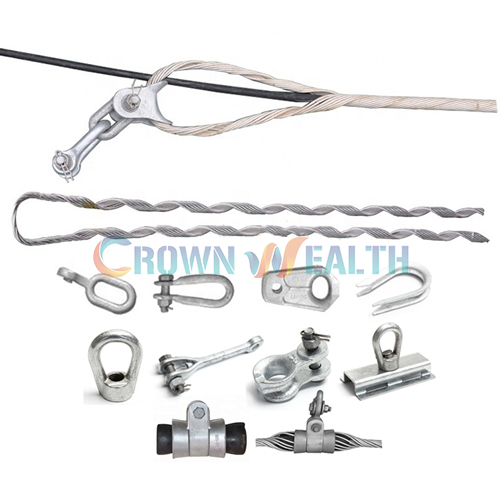
First off, let's talk about what Armor Rods are. Armor Rods are pre - formed helical wires that are used to protect overhead cables from mechanical damage. They're wrapped around the cable, acting like a shield. You can check out Preformed Armor Rods on our website to get a better idea of what they look like and how they work.
So, what exactly is impact resistance? Well, it's the ability of a material to withstand sudden forces or impacts without breaking or getting damaged. In the case of Armor Rods, they need to be able to handle all sorts of impacts in the real world. For example, in areas with high winds, branches might get blown around and hit the overhead cables. Or, there could be some accidental impacts during installation or maintenance work.
One of the key factors that affects the impact resistance of Armor Rods is the material they're made from. Most Armor Rods are made from high - strength aluminum or steel. Aluminum Armor Rods are lightweight and have good corrosion resistance. They can absorb a certain amount of impact energy due to their ductility. Steel Armor Rods, on the other hand, are much stronger and more rigid. They can handle higher - energy impacts but are heavier and more prone to corrosion if not properly protected.
The design of the Armor Rods also plays a big role. The helical shape is not just for show. It actually helps distribute the impact force evenly along the length of the cable. When an impact occurs, the helical structure allows the Armor Rods to flex and bend slightly, which dissipates the energy and reduces the stress on the cable. This way, the cable is less likely to get damaged.


Another aspect to consider is the installation method. Proper installation is crucial for ensuring the full impact - resistant capabilities of Armor Rods. If they're not installed correctly, they might not be able to provide the intended protection. For instance, if the Armor Rods are not tightly wrapped around the cable, an impact could cause them to shift or come loose, leaving the cable vulnerable.
Let's take a look at some real - world scenarios. In a coastal area, where strong winds and saltwater are common, the Armor Rods need to be able to resist the impact of flying debris carried by the wind, as well as the corrosive effects of the salt. Aluminum Armor Rods with a special anti - corrosion coating might be a good choice here. They can handle the impacts from the debris while also standing up to the saltwater.
In a mountainous region, there could be a risk of rocks or boulders rolling down and hitting the overhead cables during a landslide. Steel Armor Rods would be more suitable in this case because of their higher strength and ability to withstand high - energy impacts.
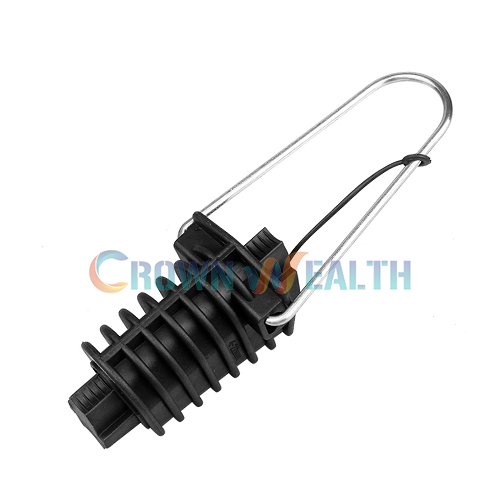
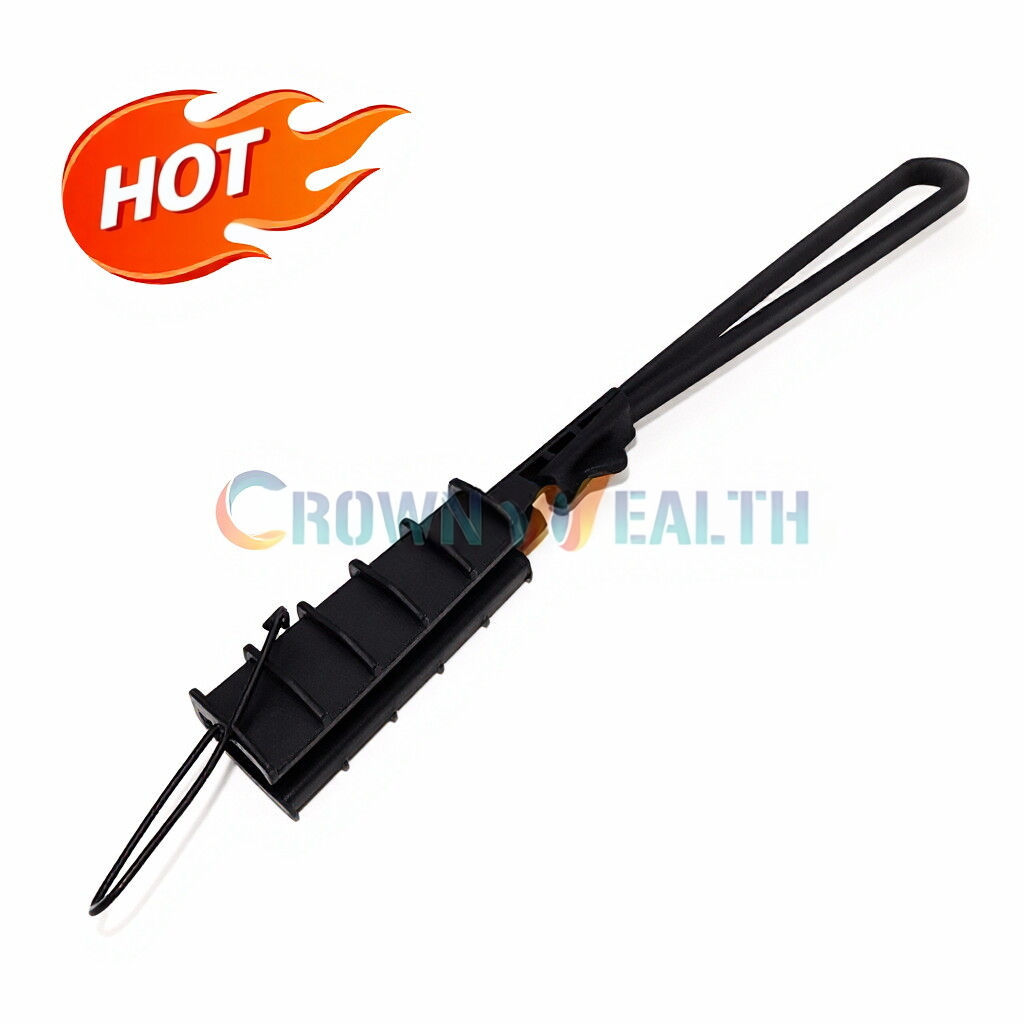
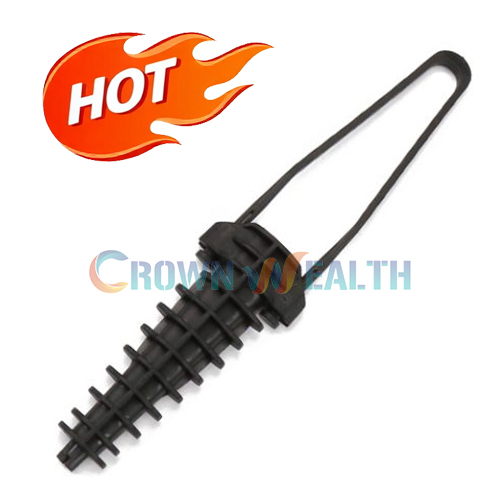
Now, let's talk about how the impact resistance of Armor Rods compares to other overhead line accessories. For example, Overhead Line Accessories Preformed Dead End Clamp Guy Grip for Cable and Dead End Guy Grips are also important components in the power transmission system. While these accessories have their own functions, such as providing a secure connection or support, they don't have the same level of impact - protection as Armor Rods. Armor Rods are specifically designed to take the brunt of impacts and protect the cable.
When it comes to testing the impact resistance of Armor Rods, there are several standard tests. One common test is the drop - weight test. In this test, a weighted object is dropped onto the Armor Rods from a certain height, and the amount of damage is measured. Another test is the pendulum impact test, where a swinging pendulum hits the Armor Rods, simulating a sudden impact. These tests help us ensure that the Armor Rods meet the required standards and can perform well in the field.
As a supplier, I've seen firsthand how important it is to choose the right Armor Rods with good impact resistance. A project that uses high - quality, impact - resistant Armor Rods is less likely to experience cable damage, which means less downtime and lower maintenance costs in the long run.
If you're involved in a power transmission or distribution project, whether it's a small - scale installation or a large - scale infrastructure upgrade, you need to consider the impact resistance of the Armor Rods. Don't just go for the cheapest option. Look for Armor Rods that are made from high - quality materials, have a good design, and have been properly tested.
We offer a wide range of Armor Rods with different levels of impact resistance to suit your specific needs. Whether you need lightweight aluminum Armor Rods for a coastal project or heavy - duty steel Armor Rods for a mountainous area, we've got you covered.
If you're interested in learning more about our Armor Rods or want to discuss your project requirements, feel free to reach out. We're here to help you make the best choice for your power transmission needs. Contact us to start a conversation about your Armor Rods procurement and let's work together to ensure the success of your project.
References
- Industry standards for overhead line accessories
- Technical literature on the properties of aluminum and steel used in Armor Rods
- Case studies of power transmission projects using Armor Rods