What is the lifespan of OPGW fittings?
Hey there! As an OPGW fitting supplier, I often get asked about the lifespan of OPGW fittings. It's a crucial question, especially for those in the telecommunications and power industries, where these fittings play a vital role.
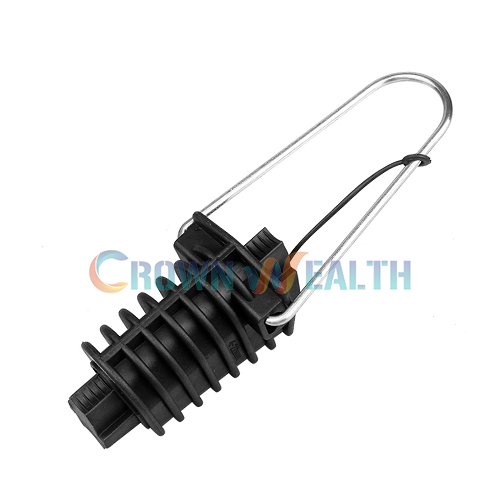
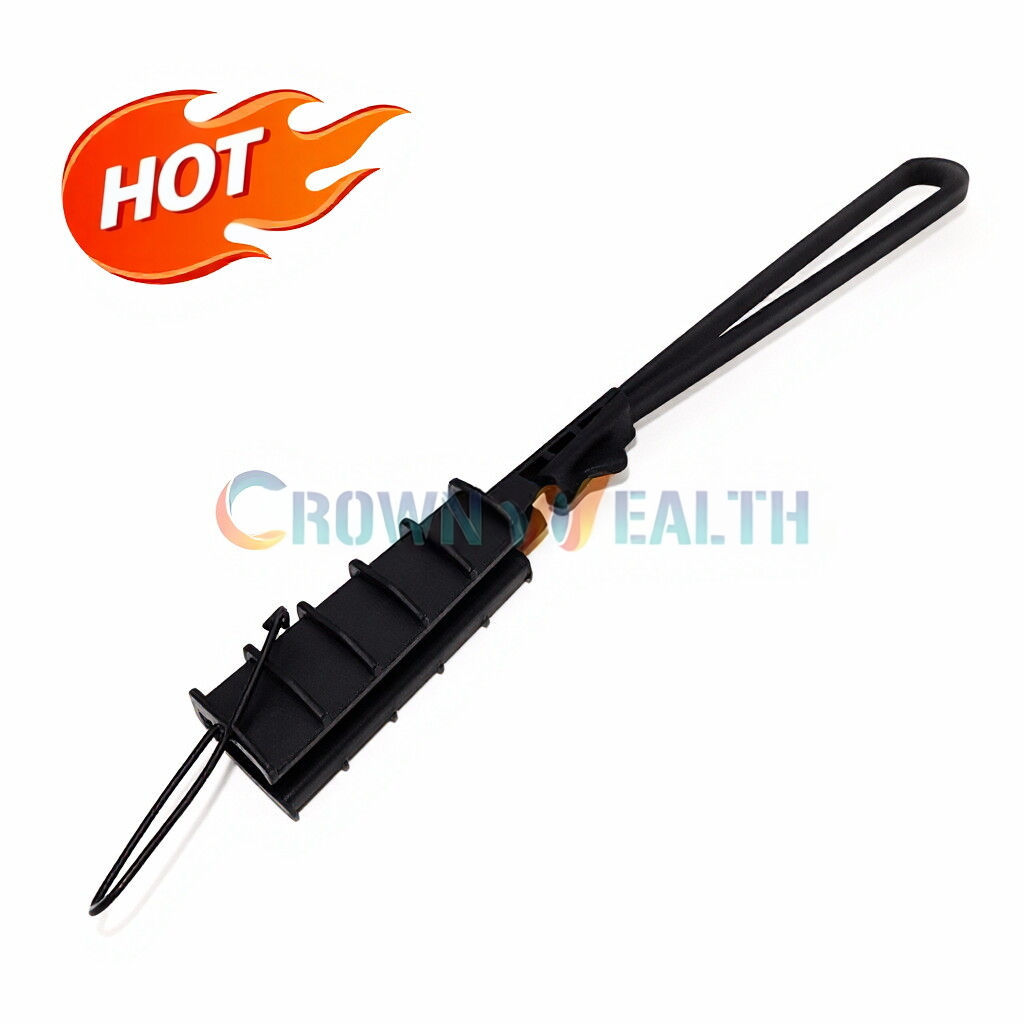
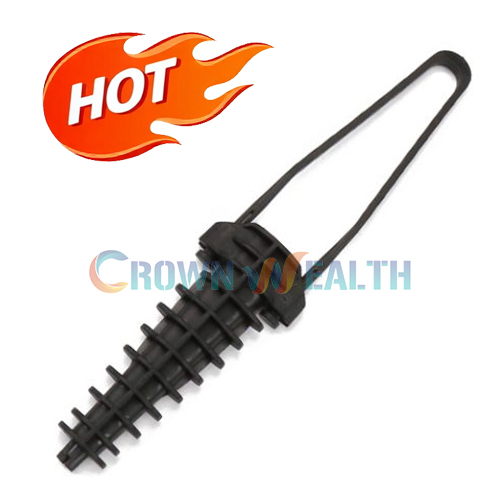
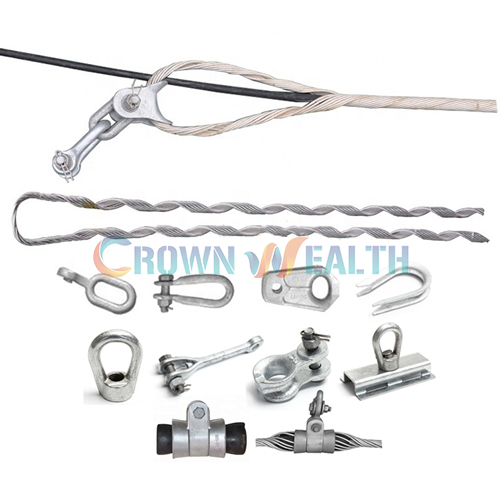
Let's start by understanding what OPGW fittings are. OPGW, or Optical Power Ground Wire, is a type of cable used in power transmission lines that combines the functions of grounding and optical communication. The fittings associated with OPGW are essential for its proper installation, maintenance, and operation. They include things like clamps, joint boxes, and cable storages.
Now, determining the lifespan of OPGW fittings ain't a one - size - fits - all answer. There are several factors that come into play.
Environmental Factors
One of the biggest factors affecting the lifespan is the environment where the fittings are installed. If they're placed in an area with high humidity, it can lead to corrosion. For instance, in coastal regions, the salty air can be extremely corrosive to metal parts of the fittings. Over time, corrosion can weaken the structural integrity of the fittings, causing them to fail.
Temperature variations also matter a lot. Extreme cold can make the materials brittle, increasing the risk of cracks, while extreme heat can cause expansion and potentially lead to loosening of joints. Areas with frequent temperature swings, like deserts where it can be scorching hot during the day and quite cold at night, can be particularly tough on OPGW fittings.
Material Quality
The quality of the materials used in manufacturing the fittings is another key factor. High - grade materials are designed to withstand various environmental conditions. For example, if you use fittings made from good - quality aluminum alloy, they are likely to be more resistant to corrosion compared to those made from lower - grade metals.


At our company, we always strive to use the best materials for our products. For example, our Aluminum Alloy Joint Box and Aluminum Alloy Optical Cable Splice Box are made from high - quality aluminum alloy, which gives them excellent durability and corrosion resistance.
Installation and Maintenance
Proper installation is crucial for the long - term performance of OPGW fittings. If the fittings are not installed correctly, it can put unnecessary stress on them, leading to premature failure. For example, if a clamp is not tightened to the right specifications, it may not hold the cable securely, which can cause wear and tear over time.
Regular maintenance also goes a long way in extending the lifespan of the fittings. Inspections should be carried out periodically to check for signs of damage, corrosion, or loose connections. Any issues found during the inspection should be addressed immediately. For example, if a small amount of corrosion is detected on a fitting, it can be treated early on to prevent it from spreading and causing more significant problems.
Typical Lifespan
On average, well - made and properly installed OPGW fittings can last anywhere from 15 to 25 years. However, this is just a rough estimate. In ideal conditions, with high - quality materials, proper installation, and regular maintenance, some fittings may last even longer.
Let's take the OPGW Cable Storage as an example. If it's installed in an area with a stable climate, made from high - quality materials, and is properly maintained, it can easily last 20 years or more. But in a harsh environment with poor installation and little to no maintenance, its lifespan could be significantly reduced, maybe to just 10 years or less.
Importance of Long - Lasting Fittings
Having OPGW fittings with a long lifespan is super important. In the telecommunications and power industries, any downtime can be extremely costly. If a fitting fails, it can disrupt communication and power supply, leading to lost business, inconvenience for customers, and potential safety hazards.
Long - lasting fittings also mean less frequent replacements, which saves money in the long run. You don't have to keep spending on new fittings and the labor costs associated with their installation.
Conclusion
So, the lifespan of OPGW fittings depends on a whole bunch of factors, including the environment, material quality, installation, and maintenance. As a supplier, we're committed to providing high - quality products that can withstand the test of time.
If you're in the market for OPGW fittings, don't hesitate to reach out. We're happy to discuss your specific needs, provide more information about our products, and help you find the best solutions for your projects. Whether you're setting up a new power transmission line or looking to replace some old fittings, we've got you covered.
References
- IEEE Standards for Power and Energy Systems
- Industry Reports on OPGW Technology and Applications