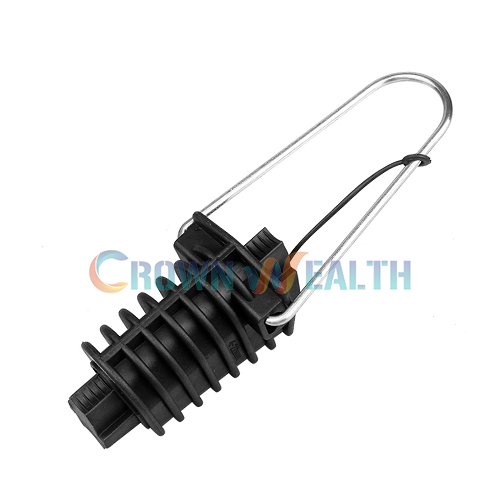
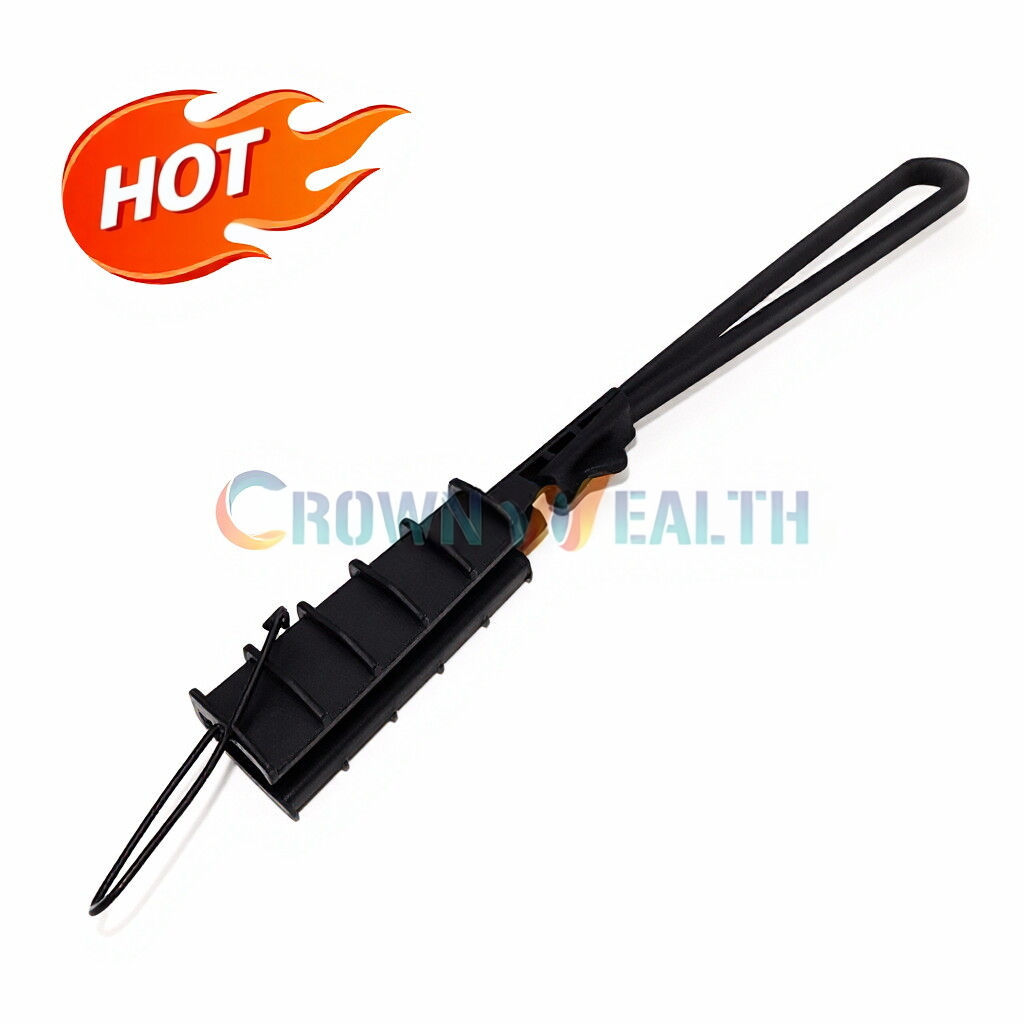
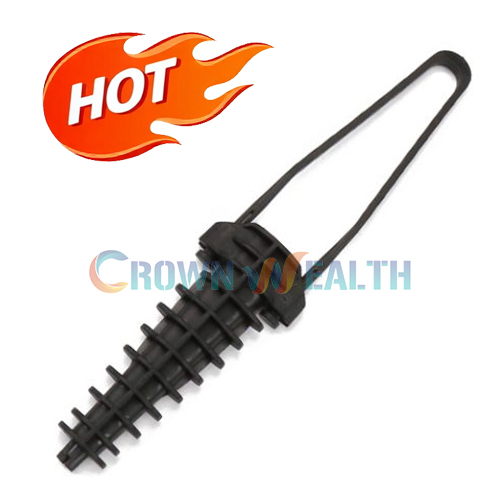
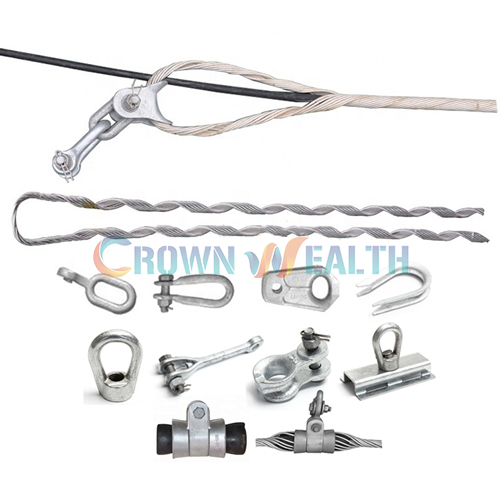
In the realm of power transmission and communication, ADSS (All-Dielectric Self-Supporting) down lead clamps play a crucial role. These clamps are used to secure the ADSS cables to the poles or towers, ensuring the stability and reliability of the entire system. However, when they are deployed in chemical - polluted areas, they face a series of challenges that require effective protection measures. As a supplier of ADSS down lead clamps, I have in - depth knowledge of this issue and would like to share some insights on the protection measures.
Understanding the Threats in Chemical - Polluted Areas
Chemical - polluted areas can be found near industrial plants, chemical waste disposal sites, or areas with high levels of air pollution. The pollutants in these areas can be in the form of acidic gases (such as sulfur dioxide, nitrogen oxides), alkaline substances, heavy metals, and various organic compounds. These chemicals can react with the materials of the ADSS down lead clamps, leading to corrosion, degradation, and ultimately, failure of the clamps.
Corrosion is one of the most significant problems. For example, acidic gases in the atmosphere can react with the metal parts of the clamps, causing rust and pitting. Alkaline substances can also attack certain types of metals and coatings, weakening the structural integrity of the clamps. In addition, some organic compounds may dissolve or swell the polymer materials used in the clamps, reducing their mechanical properties.
Material Selection for Enhanced Resistance
One of the primary protection measures is the careful selection of materials for the ADSS down lead clamps. For metal parts, stainless steel with high corrosion - resistance can be a good choice. Stainless steel contains chromium, which forms a passive oxide layer on the surface, protecting the underlying metal from further corrosion. Different grades of stainless steel can be selected based on the specific chemical environment. For example, in highly acidic environments, austenitic stainless steels such as 316L may be more suitable due to their better resistance to pitting and crevice corrosion.
For non - metal parts, polymers with excellent chemical resistance should be used. Fluoropolymers, such as PTFE (Polytetrafluoroethylene), have outstanding resistance to a wide range of chemicals, including acids, bases, and organic solvents. They can be used as coatings or as the main material for some components of the clamps. Another option is high - density polyethylene (HDPE), which is relatively inexpensive and has good resistance to many common chemicals.
Protective Coatings
Applying protective coatings is an effective way to shield the ADSS down lead clamps from chemical attack. There are several types of coatings available, each with its own advantages.
Epoxy coatings are widely used due to their excellent adhesion, chemical resistance, and mechanical properties. They can form a tough and continuous film on the surface of the clamps, preventing the penetration of chemicals. Epoxy coatings can be formulated to resist specific chemicals, such as acids or alkalis, depending on the requirements of the application.
Zinc - rich coatings are also popular for protecting metal parts. Zinc acts as a sacrificial anode, corroding preferentially to the underlying metal. This provides cathodic protection to the metal substrate, reducing the rate of corrosion. Zinc - rich coatings can be applied by spraying or brushing, and they are suitable for use in a variety of chemical environments.
Sealing and Enclosure
Proper sealing and enclosure can prevent chemicals from reaching the critical parts of the ADSS down lead clamps. Sealing gaskets made of rubber or silicone can be used to create a tight seal between different components of the clamps. These gaskets should have good chemical resistance to withstand the pollutants in the environment.
In some cases, enclosures can be used to completely isolate the clamps from the external chemical environment. For example, a plastic or metal enclosure can be installed around the clamps, providing an additional layer of protection. The enclosure should be designed to allow for proper ventilation to prevent the build - up of moisture and gases inside.
Regular Inspection and Maintenance
Even with the best protection measures in place, regular inspection and maintenance are essential to ensure the long - term performance of the ADSS down lead clamps in chemical - polluted areas. Inspections should be carried out at regular intervals to check for signs of corrosion, damage, or degradation.
During inspections, visual checks can be used to detect any obvious signs of corrosion, such as rust or discoloration. Non - destructive testing methods, such as ultrasonic testing or magnetic particle testing, can be used to detect internal defects in the metal parts. If any problems are detected, appropriate measures should be taken immediately, such as replacing damaged parts or reapplying protective coatings.
Maintenance also includes cleaning the clamps to remove any accumulated pollutants. This can be done using mild detergents and water, followed by thorough drying. In addition, lubrication of moving parts should be carried out regularly to ensure smooth operation.
Complementary ADSS Fittings
In addition to the protection of the ADSS down lead clamps themselves, it is also important to consider the compatibility and protection of other related ADSS fittings. For example, ADSS Cable Guy Grips Sets are used to support the ADSS cables and should also be protected from chemical attack. These grips sets should be made of materials with similar chemical resistance as the down lead clamps and can be coated or sealed in a similar way.
Fastening Clamp for Pole Or Tower is another important fitting. It is used to attach the ADSS cables to the poles or towers. Ensuring its protection in chemical - polluted areas is crucial for the overall stability of the system. Similar protection measures, such as material selection, coatings, and sealing, should be applied to these fastening clamps.
Dead - end for Medium and Long Span ADSS is used to terminate the ADSS cables at the end of a span. Protecting these dead - ends from chemical corrosion is essential to prevent cable failure. They should be designed and protected in a way that can withstand the harsh chemical environment.
Conclusion
In conclusion, protecting ADSS down lead clamps in chemical - polluted areas requires a comprehensive approach. By carefully selecting materials, applying protective coatings, ensuring proper sealing and enclosure, and carrying out regular inspection and maintenance, the service life of the clamps can be significantly extended. In addition, considering the protection of complementary ADSS fittings is also crucial for the overall reliability of the ADSS cable system.
As a supplier of ADSS down lead clamps, we are committed to providing high - quality products that can withstand the challenges of chemical - polluted areas. Our products are designed with the latest technologies and materials to ensure maximum protection and performance. If you are in need of ADSS down lead clamps or other related ADSS fittings, we invite you to contact us for further discussion and procurement. We are ready to offer you the best solutions tailored to your specific requirements.


References
- Jones, D. A. (2016). Principles and Prevention of Corrosion. Routledge.
- Schweitzer, P. A. (2019). Corrosion Resistance Tables. McGraw - Hill Education.
- ASM International. (2003). Handbook of Corrosion Data. ASM International.