As a supplier of Spiral Vibration Dampers, I've been getting a lot of questions lately about the test indicators for these essential components. So, I thought I'd take a moment to break it down for you all.
First off, let's talk about what Spiral Vibration Dampers are and why they're so important. These little guys are used in power transmission lines to reduce the vibrations caused by wind and other environmental factors. If left unchecked, these vibrations can cause serious damage to the cables and other equipment, leading to costly repairs and downtime. That's where Spiral Vibration Dampers come in - they absorb and dissipate the energy from the vibrations, keeping everything running smoothly.
Now, onto the test indicators. There are several key factors that we look at when testing Spiral Vibration Dampers to ensure they're up to the task.
1. Vibration Reduction Efficiency
This is probably the most important test indicator. We want to know how well the damper can reduce the vibrations in the power line. To test this, we use specialized equipment to simulate the vibrations that the damper will encounter in real-world conditions. We measure the amplitude of the vibrations before and after the damper is installed. The difference between these two measurements gives us an idea of how effective the damper is at reducing vibrations. A good Spiral Vibration Damper should be able to significantly reduce the amplitude of the vibrations, ideally bringing them down to a level that won't cause any damage to the cables or equipment.
2. Fatigue Resistance
Since Spiral Vibration Dampers are constantly exposed to vibrations, they need to be able to withstand fatigue over a long period of time. Fatigue can cause the damper to crack or break, which would render it useless. To test the fatigue resistance of our dampers, we subject them to a large number of vibration cycles in a laboratory setting. We use a machine that can simulate the vibrations for thousands or even millions of cycles. After the test, we inspect the damper for any signs of damage or wear. If the damper shows no significant signs of fatigue, it passes the test.
3. Corrosion Resistance
Power transmission lines are often located in harsh environments, where the dampers can be exposed to moisture, salt, and other corrosive substances. Corrosion can weaken the damper and reduce its effectiveness. That's why we test the corrosion resistance of our Spiral Vibration Dampers. We use a salt spray test, where we expose the damper to a mist of saltwater for a certain period of time. After the test, we check the damper for any signs of corrosion. If the damper shows minimal corrosion, it means it has good corrosion resistance and will be able to last a long time in the field.
4. Tensile Strength
The damper needs to be able to withstand the tension in the power line. If it can't, it could break or come loose, which would be a serious safety hazard. To test the tensile strength of our dampers, we use a tensile testing machine. We apply a gradually increasing force to the damper until it breaks. The maximum force that the damper can withstand before breaking is its tensile strength. A high tensile strength is important to ensure the damper can perform its job safely and effectively.
5. Installation Ease
While not a technical test indicator in the traditional sense, the ease of installation is still an important factor. If a damper is difficult to install, it can increase the cost and time of installation. We test the installation ease of our dampers by having our technicians install them on a mock power line. We time how long it takes to install the damper and look for any issues or difficulties that they encounter. If the installation process is quick and straightforward, it means our dampers are easy to install, which is a big plus for our customers.
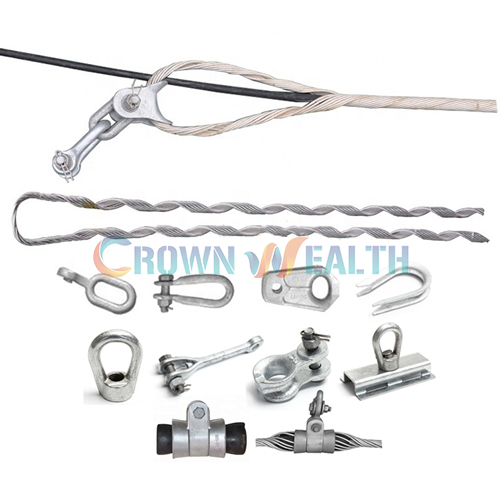
In addition to these test indicators, we also make sure that our Spiral Vibration Dampers are compatible with other components in the power transmission line. For example, they need to be able to work well with Dead End Guy Grips, Preformed Armor Rods, and Cable Guy Grips. Compatibility is crucial to ensure the overall performance and safety of the power transmission line.
We take these tests very seriously because we want to provide our customers with the highest quality Spiral Vibration Dampers. Our goal is to make sure that our dampers can effectively reduce vibrations, last a long time, and work well with other components in the power line.


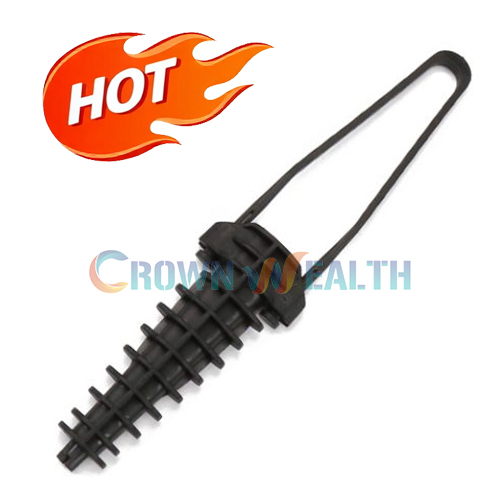
If you're in the market for Spiral Vibration Dampers or any of the related products like Dead End Guy Grips, Preformed Armor Rods, or Cable Guy Grips, I encourage you to get in touch with us. We'd be happy to discuss your specific needs and provide you with a quote. Our team of experts is always here to help you find the right solutions for your power transmission projects.
References
- "Power Transmission Line Vibration Damping Technology" - A technical report on vibration damping in power lines.
- "Testing Standards for Electrical Equipment Components" - A set of industry standards for testing electrical components.