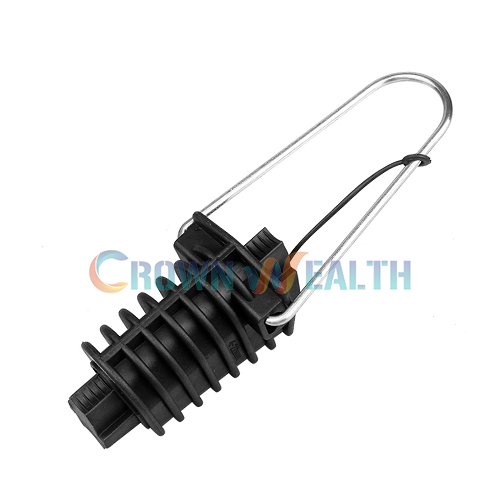
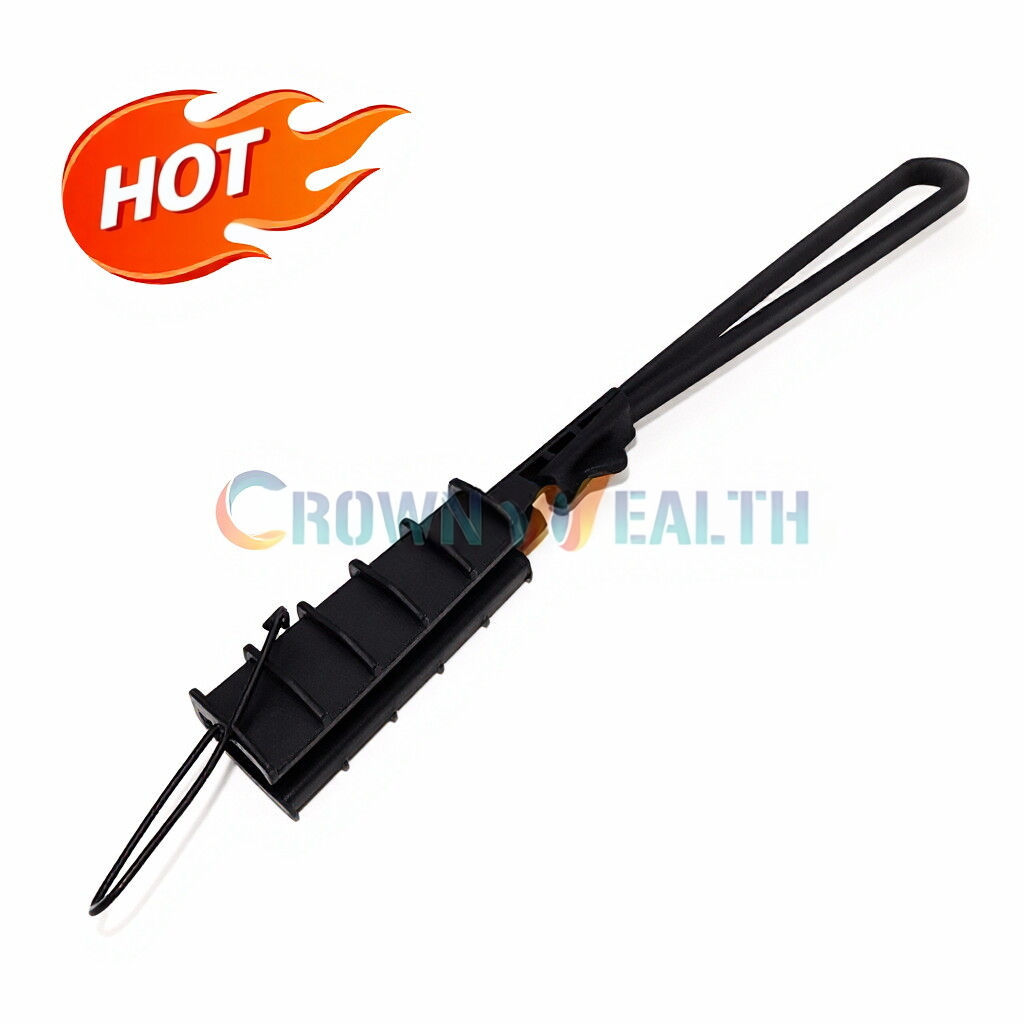
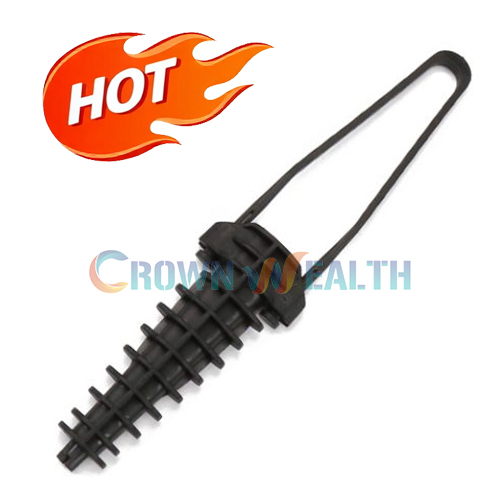
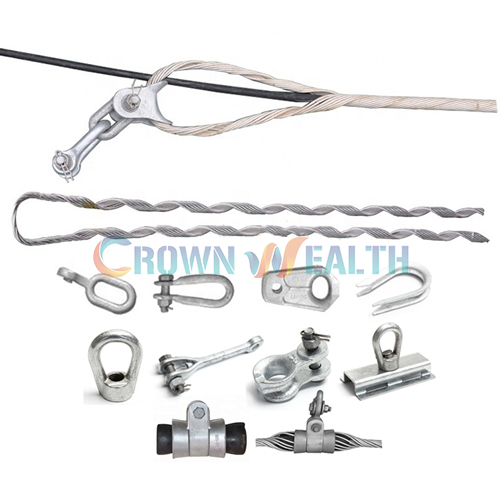
Hey there! As a supplier of downlead clamps, I often get asked about what materials these clamps are made of. Well, let's dive right into it and explore the various materials used in the manufacturing of downlead clamps.
Steel
One of the most common materials for downlead clamps is steel. Steel is a go - to choice for many reasons. First off, it's incredibly strong. Downlead clamps need to be able to hold up under a lot of stress, especially when they're used in outdoor or industrial settings. Steel can withstand high tension and pressure without deforming easily.
For example, in power transmission lines, the downlead clamps made of steel are used to secure the downlead wires firmly. These wires carry electrical current, and any looseness in the connection could lead to power outages or even safety hazards. Steel's high strength ensures that the connection remains stable over time.
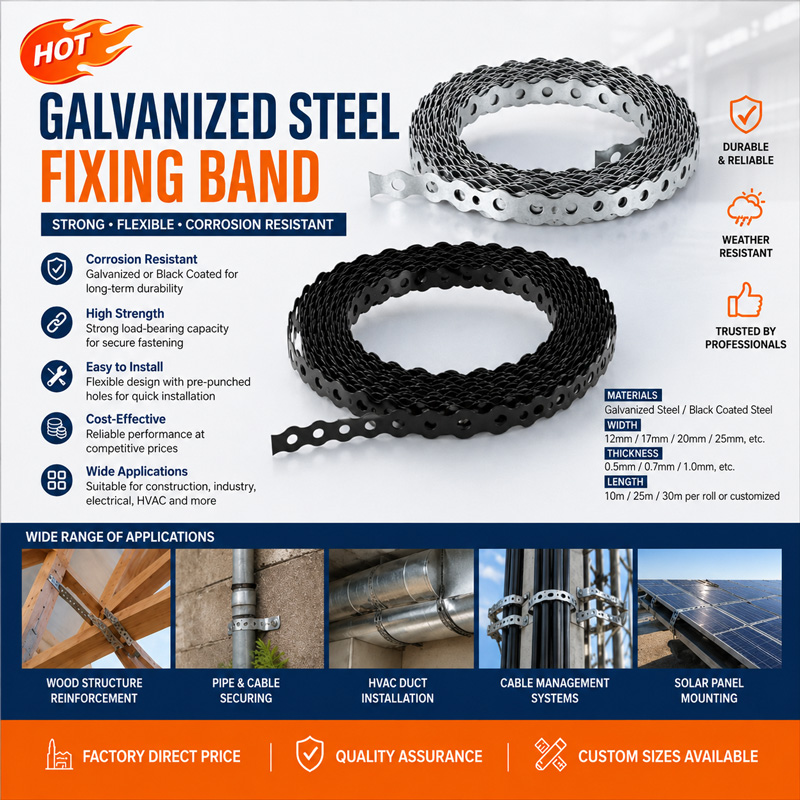
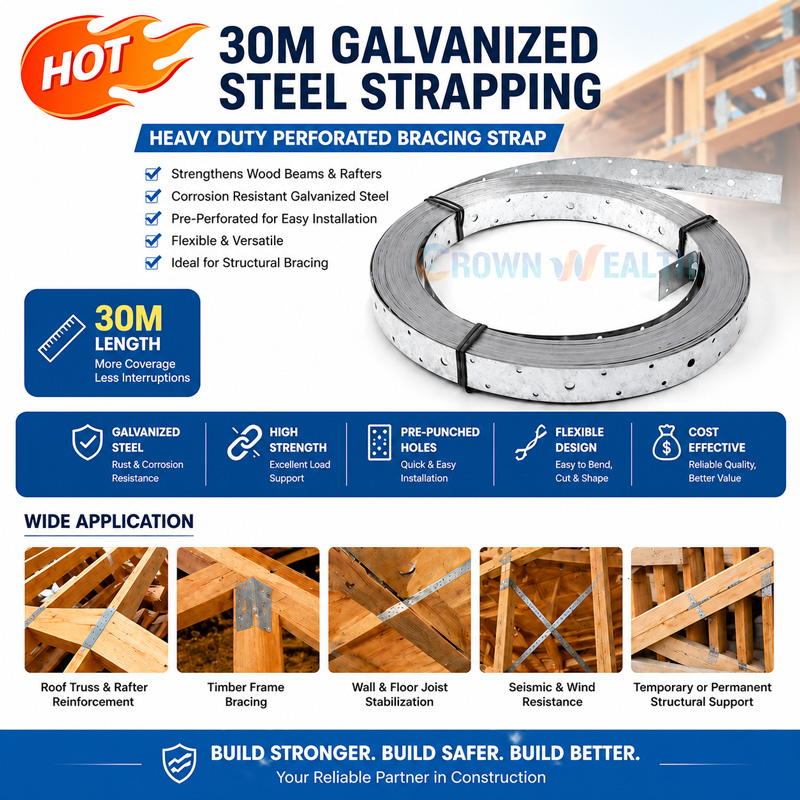
Another advantage of steel is its durability. It can resist corrosion to a certain extent, especially if it's treated properly. Galvanized steel, which has a zinc coating, is even more resistant to rust and other forms of corrosion. This makes it suitable for long - term use in harsh environments, like coastal areas where the air is salty and can cause other materials to deteriorate quickly.
However, steel also has its drawbacks. It's relatively heavy, which can make installation a bit more challenging. And in some cases, if the zinc coating wears off, it may start to corrode. But overall, for applications where strength and durability are the top priorities, steel is a great option. You can check out some related products like the PreformedTension Clamp for Short Span ADSS, which might also use steel in its construction for that added strength.
Aluminum
Aluminum is another popular material for downlead clamps. One of the biggest advantages of aluminum is its light weight. Compared to steel, aluminum clamps are much easier to handle during installation. This can save a lot of time and effort, especially when installing multiple clamps in a large - scale project.
Aluminum also has good corrosion resistance. It forms a thin oxide layer on its surface when exposed to air, which protects it from further corrosion. This makes it suitable for use in outdoor environments, such as in telecommunications networks where downlead clamps are used to secure fiber - optic cables.
In addition, aluminum is a good conductor of electricity. While this might not be a crucial factor for all downlead clamps, in some applications where electrical conductivity is important, aluminum can be a great choice.
But aluminum does have some limitations. It's not as strong as steel. So, in applications where high tension or heavy loads are involved, aluminum may not be the best option. Also, it can be more expensive than steel in some cases. Nevertheless, for applications where weight and corrosion resistance are key, like in the installation of Double Suspension Clamp, aluminum is often a preferred material.
Plastic
Plastic is becoming an increasingly popular choice for downlead clamps, especially in some low - voltage or indoor applications. There are different types of plastics used, such as polyvinyl chloride (PVC) and nylon.
PVC is a cost - effective option. It's easy to manufacture into different shapes and sizes, which makes it suitable for a wide range of downlead clamp designs. It also has good insulation properties, which is important in electrical applications to prevent short - circuits.
Nylon, on the other hand, is stronger than PVC. It has good mechanical properties and can withstand a certain amount of stress. Nylon clamps are often used in applications where there's a need for flexibility and resistance to impact.
Plastic clamps are also lightweight and easy to install. They're resistant to corrosion and don't conduct electricity, which makes them safe for use in many environments. However, they may not be as durable as metal clamps in extreme conditions. For example, they can become brittle in very cold temperatures or degrade under prolonged exposure to sunlight. But for indoor or less - demanding outdoor applications, plastic clamps are a great choice. You might find plastic components in products like the Fastening Clamp for Pole Or Tower.
Composite Materials
Composite materials are a combination of two or more different materials, designed to take advantage of the best properties of each. For downlead clamps, composite materials can offer a unique set of benefits.
For example, a composite material might combine the strength of steel with the light weight of aluminum or the corrosion resistance of plastic. This can result in a clamp that's strong, lightweight, and durable.
Composite materials can also be engineered to have specific properties, such as high electrical insulation or resistance to high temperatures. This makes them suitable for specialized applications, like in high - tech industries where the requirements for downlead clamps are very strict.
However, composite materials are often more expensive to produce than single - material options. And the manufacturing process can be more complex. But for applications where performance is critical and cost is not the main concern, composite downlead clamps can be a great investment.
Choosing the Right Material
When it comes to choosing the right material for downlead clamps, there are several factors to consider. First, think about the application. If it's for a high - voltage power line, steel or a strong composite material might be the best choice due to the high tension and safety requirements. For a low - voltage indoor telecommunications network, plastic or aluminum could be more suitable.
The environment is also important. If the clamp will be exposed to harsh weather conditions, like rain, snow, or salt air, a material with good corrosion resistance, such as galvanized steel, aluminum, or a corrosion - resistant composite, is necessary.
Cost is another factor. You need to balance the performance requirements with the budget. Sometimes, a more expensive material might be worth the investment in the long run due to its durability and reliability.
Installation requirements are also crucial. If the installation is in a hard - to - reach area or requires a lot of handling, a lightweight material like aluminum or plastic can make the job much easier.


In conclusion, there are several materials available for downlead clamps, each with its own advantages and disadvantages. As a supplier, I can help you choose the right material based on your specific needs. If you're interested in purchasing downlead clamps or have any questions about the materials, feel free to reach out and start a procurement discussion. We can work together to find the best solution for your project.
References
- "Materials Science and Engineering: An Introduction" by William D. Callister Jr.
- Industry reports on electrical and telecommunications fittings