Hey there! As a supplier of vibration dampers, I often get asked this question: "Can a vibration damper reduce all types of vibrations?" Well, let's dive into this topic and find out.
First off, let's understand what a vibration damper is. A vibration damper is a device designed to reduce or eliminate vibrations. It works by converting the kinetic energy of the vibration into other forms of energy, like heat, which then dissipates. In simple terms, it's like a shock absorber for vibrations.
Now, there are different types of vibrations out there. We've got mechanical vibrations, which occur in machinery and equipment. For example, in a car engine, there are all sorts of moving parts that can cause vibrations. Then there are structural vibrations, which can happen in buildings, bridges, and even power lines. And let's not forget about acoustic vibrations, which are related to sound waves.
So, can a vibration damper handle all these different types? The short answer is no. Different types of vibrations have different characteristics, such as frequency, amplitude, and direction. And a vibration damper is usually designed to work best within a specific range of these characteristics.


Let's start with mechanical vibrations. In industrial settings, machines can vibrate due to unbalanced rotating parts, misaligned components, or even loose connections. For these types of vibrations, we have dampers that are specifically designed to deal with the high - frequency and relatively small - amplitude vibrations. These dampers are often made of materials like rubber or metal springs. They can be installed directly on the machine or its mounting points. For example, in a manufacturing plant, a vibration damper on a conveyor belt motor can help reduce the vibrations that could otherwise cause premature wear and tear on the equipment.
Structural vibrations are a bit different. When it comes to buildings and bridges, the vibrations are usually lower in frequency but can have a large amplitude. Earthquakes, wind, and traffic can all cause these types of vibrations. In this case, we use large - scale dampers, such as tuned mass dampers. These are massive weights that are suspended within the structure. They work by moving in the opposite direction of the vibration, counteracting it and reducing its effects. For instance, in a tall skyscraper, a tuned mass damper on the top floors can help keep the building stable during strong winds.
Now, acoustic vibrations are related to sound. Sound is essentially a wave of pressure variations in the air. To reduce acoustic vibrations, we use materials that can absorb or reflect sound waves. For example, acoustic panels in a recording studio are a type of vibration damper. They are made of porous materials that trap the sound waves and convert their energy into heat. But these are very different from the dampers used for mechanical or structural vibrations.
Another factor to consider is the environment in which the vibrations occur. In a harsh industrial environment, the damper needs to be able to withstand high temperatures, chemicals, and physical wear. On the other hand, in a clean room environment, the damper should not generate any particles or contaminants.
As a vibration damper supplier, we offer a wide range of products to address different types of vibrations. But we also understand that one size doesn't fit all. That's why we work closely with our customers to understand their specific needs. We conduct detailed analyses of the vibration sources, including measuring the frequency and amplitude of the vibrations. Based on this information, we can recommend the most suitable damper for the job.
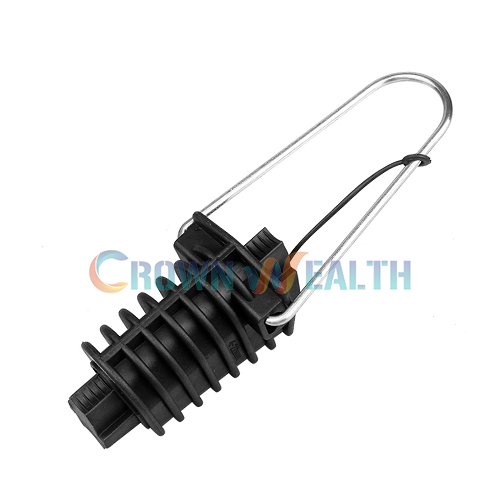
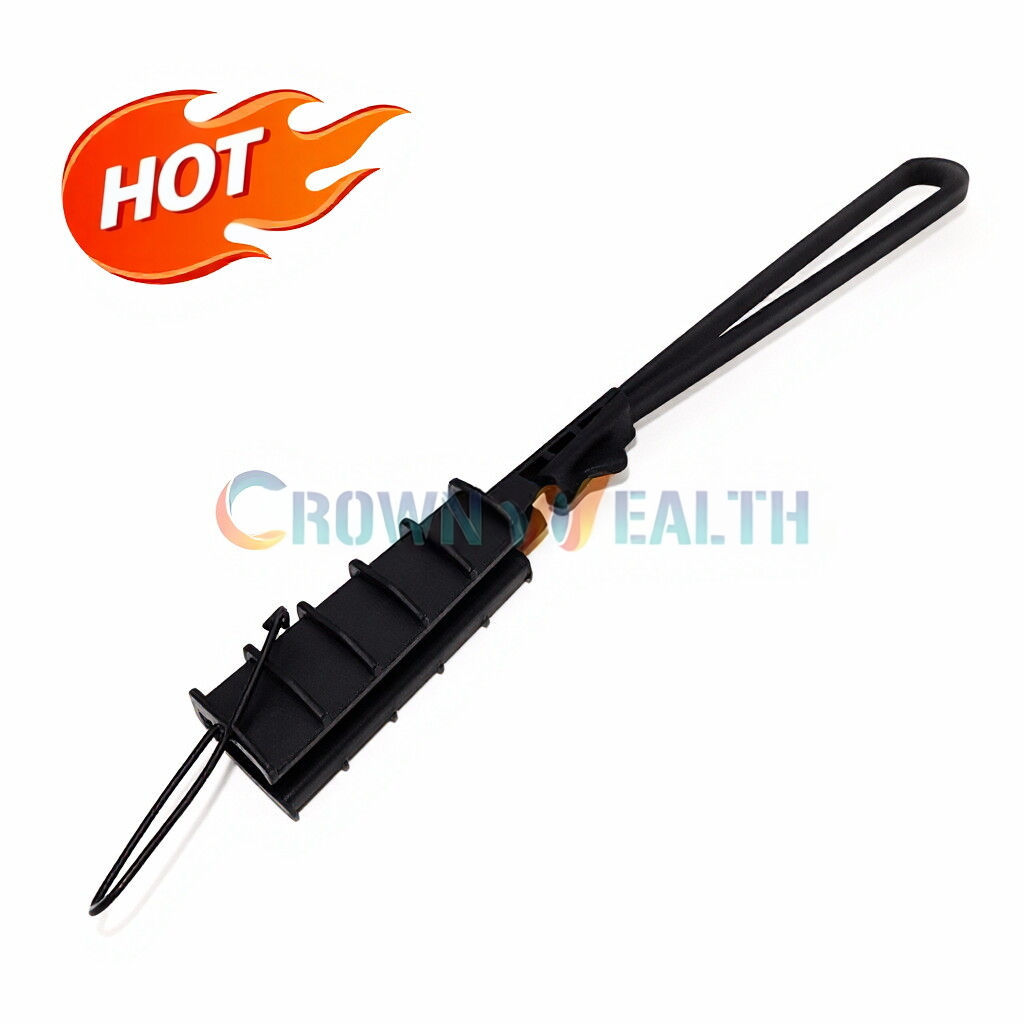
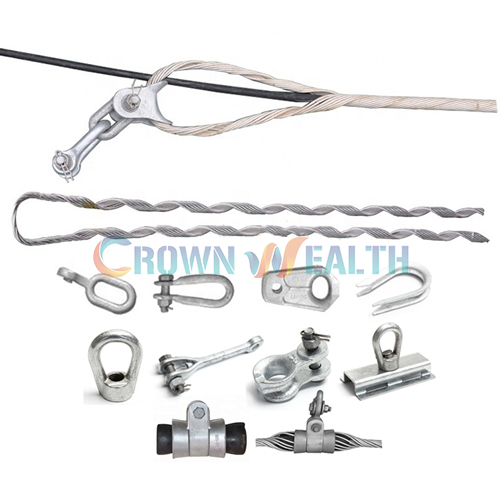
In addition to vibration dampers, we also offer related products. For example, if you're dealing with power lines, you might be interested in Preormed Armor and Armor Rods. These products can help protect the power lines from physical damage and also reduce some of the vibrations caused by wind or electrical currents. And if you need to repair a conductor, our Preformed Armor Rods for Conductor Repair are a great solution.
In conclusion, while a vibration damper is a powerful tool for reducing vibrations, it can't reduce all types of vibrations. Different types of vibrations require different types of dampers. But don't worry! As a trusted vibration damper supplier, we have the expertise and the products to help you find the right solution for your specific vibration problems.
If you're facing vibration issues in your industrial equipment, building, or any other application, don't hesitate to reach out. We're here to help you choose the best vibration damper and related products for your needs. Let's work together to reduce those pesky vibrations and keep your operations running smoothly.
References
- "Vibration Analysis for Engineers" by R. B. Randall
- "Structural Dynamics: Theory and Computation" by Mario Paz and Leonardo W. Leigh
- "Acoustics: An Introduction" by Mark F. Richardson