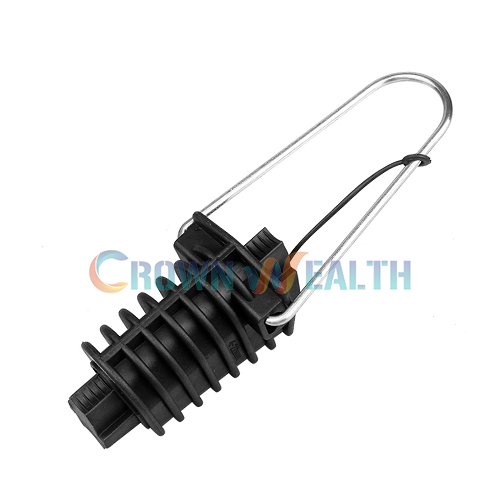
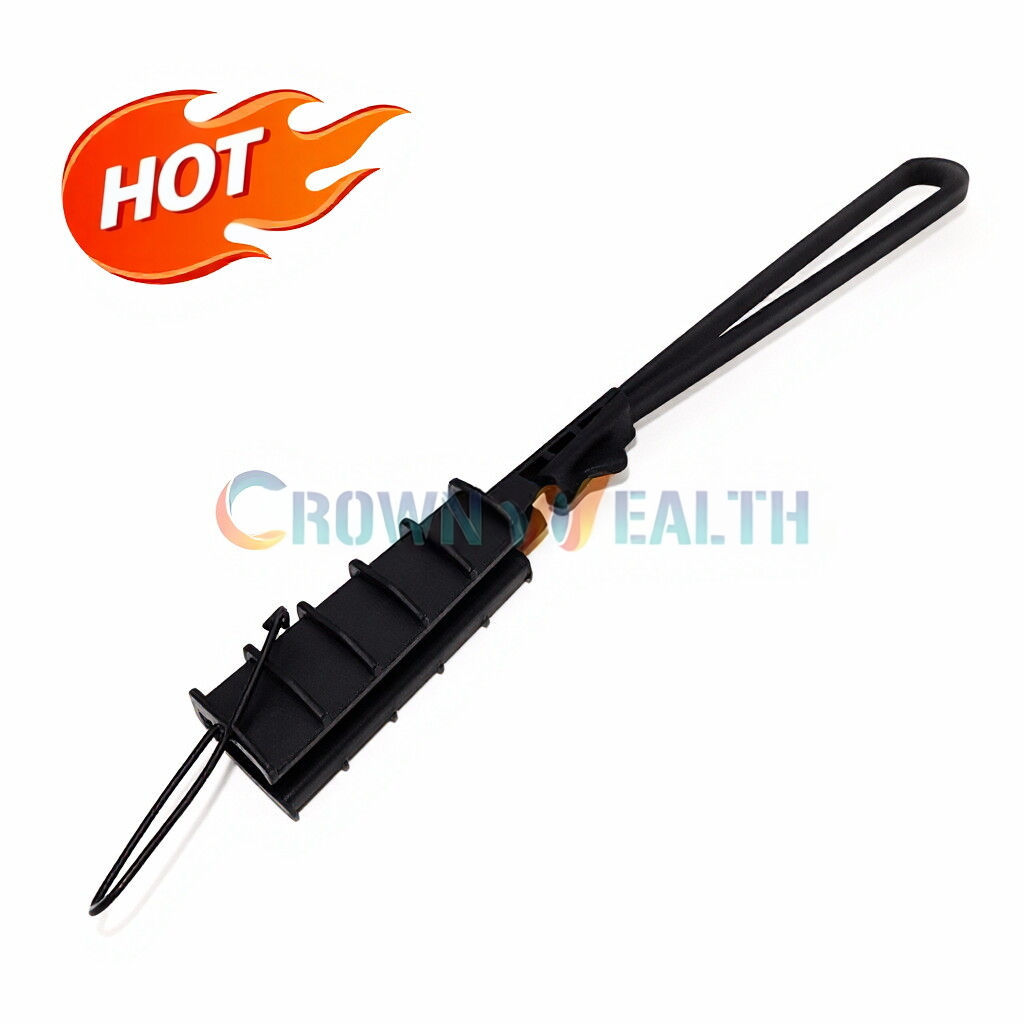
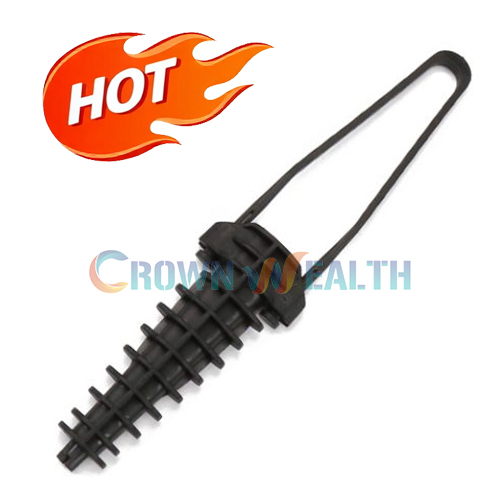
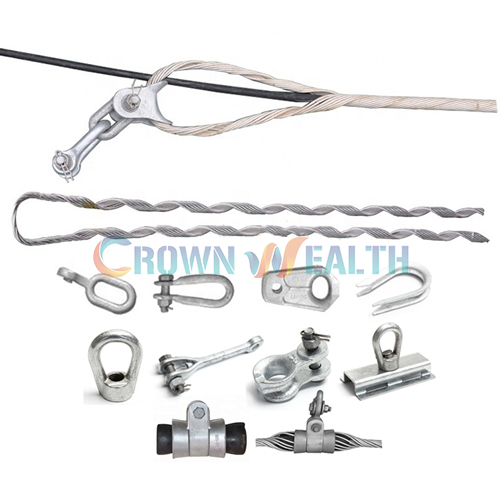
A downlead clamp is a crucial component in various electrical and communication systems, playing a significant role in ensuring the safety, stability, and efficient operation of these systems. As a downlead clamp supplier, I have witnessed firsthand the diverse functions and importance of these seemingly simple yet highly effective devices. In this blog post, I will delve into the functions of a downlead clamp, exploring its applications and benefits in different scenarios.
Securing the Downlead
One of the primary functions of a downlead clamp is to securely fasten the downlead to a structure or support. A downlead is a conductor that connects an overhead line or other electrical components to the ground or a lower - level system. By firmly holding the downlead in place, the clamp prevents it from being displaced by external forces such as wind, vibration, or accidental impacts.
For example, in a telecommunications network, the downlead may carry signals from an antenna on a tower to the ground - based equipment. A well - installed downlead clamp ensures that the downlead remains in its proper position, maintaining a reliable connection and preventing signal loss or interference. Similarly, in electrical power systems, downleads are used to transfer electrical energy from overhead lines to substations or other distribution points. The clamp's ability to secure the downlead is essential for maintaining the integrity of the power transmission and preventing potential electrical hazards.
Electrical Conductivity
Downlead clamps are designed to provide a low - resistance electrical connection between the downlead and the connected components. This is crucial for efficient electrical transfer and grounding. In electrical systems, proper grounding is essential for protecting equipment and personnel from electrical faults and lightning strikes.
When a lightning strike occurs, the downlead acts as a path for the lightning current to safely reach the ground. A high - quality downlead clamp ensures that the electrical resistance along this path is minimized, allowing the lightning current to flow smoothly and reducing the risk of damage to the connected equipment. In addition, in normal operating conditions, the clamp's good electrical conductivity helps to maintain a stable electrical connection, ensuring the efficient transfer of power or signals.
Corrosion Resistance
Downlead clamps are often exposed to harsh environmental conditions, including moisture, chemicals, and UV radiation. Therefore, they need to be made of materials that are resistant to corrosion. Corrosion can weaken the clamp's structure, reduce its electrical conductivity, and ultimately lead to failure.
As a supplier, we offer downlead clamps made from materials such as stainless steel, aluminum alloy, or coated metals. These materials have excellent corrosion - resistant properties, ensuring the long - term reliability of the clamp. For instance, stainless steel downlead clamps are highly resistant to rust and oxidation, making them suitable for use in coastal areas or other environments with high humidity.
Compatibility and Flexibility
Downlead clamps come in a variety of sizes and designs to accommodate different types of downleads and installation requirements. They are designed to be compatible with various cable diameters and materials, allowing for easy installation in different systems.
Some downlead clamps are adjustable, which means they can be tightened or loosened to fit different cable sizes. This flexibility makes them suitable for a wide range of applications, from small - scale residential installations to large - scale industrial projects. For example, in a building's lightning protection system, an adjustable downlead clamp can be used to secure downleads of different thicknesses, ensuring a proper fit and reliable connection.
Applications in Different Industries
Telecommunications
In the telecommunications industry, downlead clamps are used to connect antennas to the ground or to other communication equipment. The clamp ensures a stable connection, which is essential for maintaining clear and reliable communication signals. For example, in a mobile phone base station, the downlead clamps are used to secure the coaxial cables that connect the antennas to the base station equipment. A reliable connection provided by the clamp helps to prevent signal degradation and interference, improving the overall performance of the communication network. You can find more related products like the Performed Suspension Clamp which also play important roles in the fiber - optic cable fitting and communication systems.
Electrical Power
In the electrical power industry, downlead clamps are used in power transmission and distribution systems. They are used to connect overhead lines to substations, transformers, and other electrical equipment. The clamp's functions of securing the downlead and providing good electrical conductivity are crucial for the safe and efficient operation of the power grid. For instance, in a high - voltage transmission line, the downlead clamps are used to connect the lightning protection conductors to the ground, protecting the line from lightning damage. Additionally, the Fastening Clamp for Pole Or Tower can be used in conjunction with downlead clamps to ensure the stability of the overall power system infrastructure.
Building Construction
In building construction, downlead clamps are an important part of the lightning protection system. They are used to connect the lightning rods on the roof of the building to the grounding system. By providing a secure and conductive connection, the clamps help to protect the building and its occupants from lightning strikes. Moreover, in the installation of electrical wiring and communication systems in buildings, downlead clamps are used to connect various cables and ensure proper grounding. The Overhead Line Suspension Clamp can also be relevant in building - related electrical and communication installations, especially when dealing with overhead lines.
Advantages of Our Downlead Clamps
As a downlead clamp supplier, we take pride in offering high - quality products that meet the diverse needs of our customers. Our downlead clamps are manufactured using advanced production techniques and strict quality control measures.
We offer a wide range of downlead clamps with different specifications and features to suit various applications. Whether you need a clamp for a small - scale residential project or a large - scale industrial installation, we have the right product for you. Our clamps are made from high - quality materials, ensuring excellent corrosion resistance, electrical conductivity, and mechanical strength.
In addition, our team of experts is always available to provide technical support and advice. We can help you choose the most suitable downlead clamp for your specific requirements and provide guidance on installation and maintenance.
Contact Us for Procurement
If you are in need of downlead clamps for your project, we invite you to contact us for procurement. Our products are known for their reliability, durability, and cost - effectiveness. We are committed to providing our customers with the best possible products and services. Whether you have a small order or a large - scale procurement requirement, we are ready to meet your needs. Please reach out to us to start a discussion about your specific requirements and explore how our downlead clamps can benefit your project.


References
- Electrical Installation Handbook, Schneider Electric
- Telecommunications Engineering Principles, John Wiley & Sons
- Lightning Protection Standards and Guidelines, International Electrotechnical Commission (IEC)