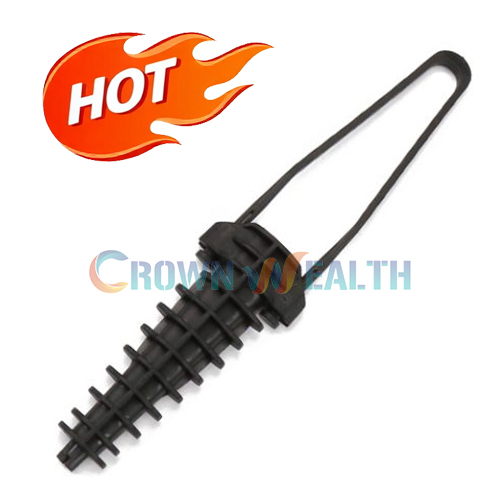
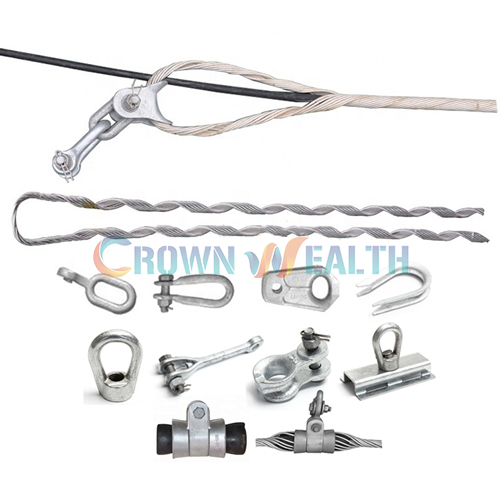
Hey there! As a supplier of Cable Guy Grips, I often get asked a bunch of questions about these nifty tools. One question that pops up quite a bit is, "Can Cable Guy Grips be used for Ethernet cables?" Well, let's dig into this topic and find out.


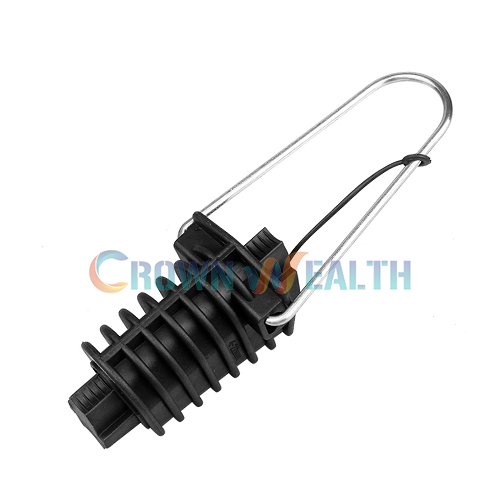
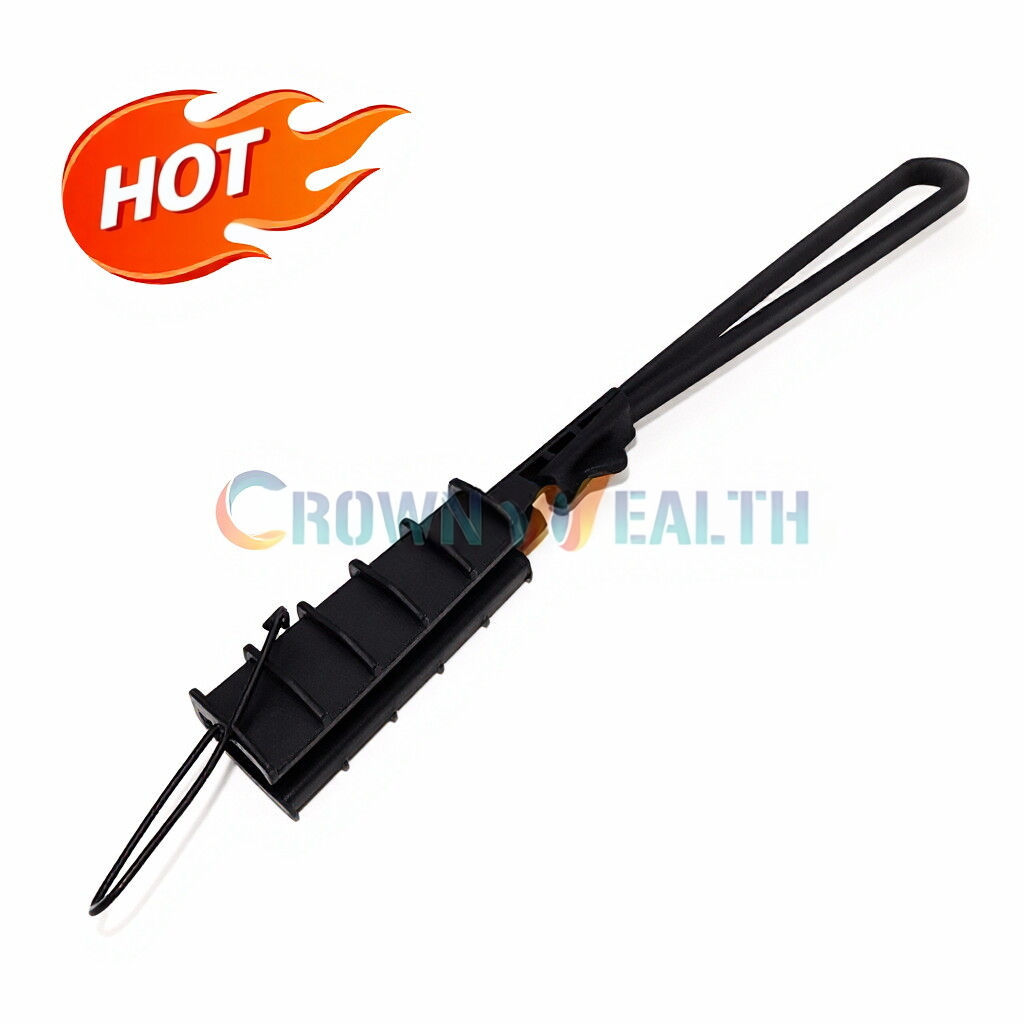
First off, let's talk a bit about what Cable Guy Grips are. If you're not familiar, you can check out more details Cable Guy Grips. These grips are designed to hold cables securely in place. They're typically used in various industries for different types of cables, but the big question is whether they're suitable for Ethernet cables.
Ethernet cables are a crucial part of our modern world. They're used to connect devices to the internet, transfer data between computers, and are found in homes, offices, and data centers everywhere. These cables come in different categories, like Cat5e, Cat6, and Cat6a, each with its own specifications for data transfer speeds and performance.
Now, when it comes to using Cable Guy Grips with Ethernet cables, there are a few things to consider. One of the main factors is the size and design of the grips. Ethernet cables are relatively thin compared to some of the other cables that Cable Guy Grips are commonly used for. So, the first thing you need to make sure is that the grip you choose has the right size opening to fit the Ethernet cable snugly. If the opening is too big, the cable won't be held securely, and it could move around, potentially causing connection issues. On the other hand, if it's too small, you might end up damaging the cable while trying to force it in.
Another important aspect is the material of the Cable Guy Grips. Ethernet cables are made of delicate wires that are insulated to prevent interference and ensure proper data transmission. The material of the grip should be soft enough not to damage the insulation of the Ethernet cable. Some grips are made of hard plastics or metals that could potentially cut into the cable's insulation if they're too tight or have sharp edges. So, look for grips made of a soft, flexible material like rubber or silicone. These materials will grip the cable firmly without causing any harm.
Let's also talk about the installation process. Installing Cable Guy Grips on Ethernet cables should be a straightforward process. You don't want to spend a lot of time struggling to get the grip on the cable. A good grip should have a simple design that allows you to easily slide it onto the cable. Some grips come with a split design, which makes it even easier to install. You just open the grip, place the cable inside, and then close it. This type of design is especially useful when you're working with a large number of cables or in tight spaces.
Now, let's think about the benefits of using Cable Guy Grips for Ethernet cables. One of the main advantages is cable management. In a data center or an office environment, there are often a lot of Ethernet cables running everywhere. These cables can get tangled up, which not only looks messy but can also lead to connection problems. By using Cable Guy Grips, you can keep the cables organized and prevent them from getting tangled. This makes it easier to identify and access specific cables when needed.
Another benefit is protection. Ethernet cables can be easily damaged if they're pulled or bent too much. Cable Guy Grips can help protect the cables by holding them in place and preventing excessive movement. This reduces the risk of damage to the cable's insulation and the internal wires, which can lead to better performance and a longer lifespan for the cable.
However, there are also some potential drawbacks to using Cable Guy Grips with Ethernet cables. One issue is that if the grip is too tight, it could restrict the flexibility of the cable. Ethernet cables need to be able to bend and flex to some extent, especially when you're moving devices around or making changes to the network. If the grip is too tight, it could make it difficult to move the cable without causing damage. So, you need to find the right balance between holding the cable securely and allowing it enough flexibility.
Another potential drawback is cost. Depending on the quality and brand of the Cable Guy Grips, they can be relatively expensive. If you're working with a large number of Ethernet cables, the cost of buying enough grips can add up quickly. So, you need to weigh the benefits against the cost and decide if it's worth it for your specific situation.
In addition to Cable Guy Grips, there are other types of cable management tools available for Ethernet cables. For example, you might want to check out Square Spacer Damper and Tuning Fork Vibration Damper. These tools can also help with cable organization and protection, but they have different features and uses compared to Cable Guy Grips.
So, can Cable Guy Grips be used for Ethernet cables? The answer is yes, but with some considerations. You need to make sure you choose the right size and material of the grip, and you need to install it correctly. If you do these things, Cable Guy Grips can be a great tool for managing and protecting your Ethernet cables.
If you're interested in purchasing Cable Guy Grips for your Ethernet cables or have any questions about them, feel free to reach out. I'm here to help you find the right solution for your cable management needs. Whether you're a small business owner looking to organize your office network or a data center manager in charge of a large network, I've got you covered.
References
- General knowledge about cable management and Ethernet cables
- Product specifications of Cable Guy Grips, Square Spacer Damper, and Tuning Fork Vibration Damper